 In 30 Seconds




The ongoing legal complexities surrounding the Bhojshala monument in Madhya Pradesh have once again drawn the attention of the Supreme Court, following allegations from the Muslim side that two consecutive Friday namaz prayers were missed due to the non allocation of an adjacent, alternative prayer site. These assertions have prompted the apex court to issue a clear directive to both the Madhya Pradesh government and the Centre, urging them to ensure full compliance with its earlier orders regarding the prayer arrangements. The matter is now slated for a detailed hearing on July 29, specifically to address the location of the alternative namaz site.
Reports indicate the Muslim petitioners expressed their deep concern over the inability to conduct their prayers, highlighting what they perceive as a failure to adhere to judicial pronouncements. The Supreme Court’s intervention underscores the sensitive nature of the Bhojshala complex, which holds dual religious significance for both Hindus and Muslims, leading to a long standing dispute over access and worship rights. The court’s demand for compliance reflects its intent to uphold the balance of religious practices at the contested site.
Background
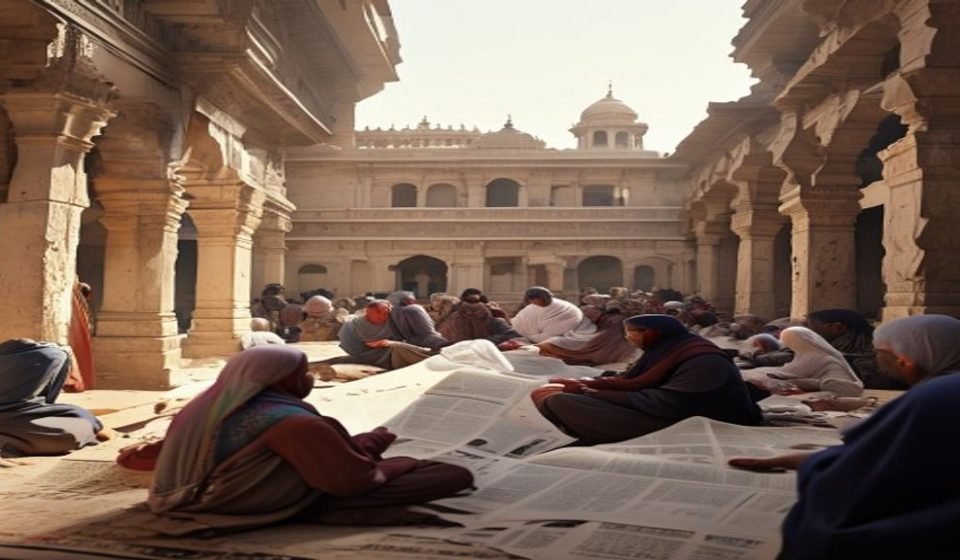
The Bhojshala monument in Dhar, Madhya Pradesh, represents a deeply rooted historical and religious focal point, claimed by Hindus as a temple dedicated to Vagdevi, or Saraswati, and by Muslims as the Kamal Maula Mosque. This dual identity has historically led to a complex arrangement of worship, often managed through legal directives and administrative orders. The site has seen periods of restricted access and regulated prayer timings, aiming to accommodate the religious sentiments of both communities while maintaining public order.
For many years, various legal battles have unfolded, with both Hindu and Muslim groups seeking greater access and control over the site. The current dispute, specifically regarding the Friday namaz, stems from a larger framework of court imposed regulations designed to facilitate worship for both communities. The Supreme Court’s previous orders have sought to establish a pragmatic approach to shared access, which includes directives for alternative arrangements when direct access to the primary site is contentious or restricted. The principle of providing a nearer, suitable spot for Friday namaz has been a key element in attempts to resolve immediate prayer access issues, especially when the main site itself is subject to specific time bound access rules or ongoing archaeological surveys.
Timeline of Events
The contention surrounding Bhojshala has been a recurring theme in India’s legal landscape, with various petitions and court directives shaping its narrative over time. Earlier reports indicated a complex history of access restrictions and attempts to balance the religious rights of both communities at the site. The legal pronouncements have consistently aimed at finding a middle ground, ensuring that religious practices can be observed without exacerbating tensions.
In preceding developments, the Supreme Court had issued specific instructions concerning the prayer arrangements at Bhojshala. These directives were intended to provide clarity and ensure that both communities could exercise their religious rights under a structured framework. Part of these instructions involved the allocation of an alternative site for Friday namaz, particularly in situations where access to the main Bhojshala complex might be restricted or shared under specific conditions. The Madhya Pradesh government had previously assured the Supreme Court of its commitment to allotting a nearer spot for Friday Namaz, indicating an understanding of the need for an accessible alternative.
More recently, specifically on July 24, 2026, fresh allegations emerged from the Muslim side. According to The Times of India, they reported that two Friday namaz prayers had been missed because the designated adjacent prayer spot had not been allocated as per the court’s earlier orders. This development prompted an immediate response from the Supreme Court. The apex court directed both the Centre and the Madhya Pradesh government to comply with its existing order concerning the namaz site near the Bhojshala complex “in letter and spirit”. This stern directive led to the scheduling of a further hearing on July 29, specifically to review the progress and address the plea over the location of the alternative namaz site.
Why It Matters
The ongoing developments at Bhojshala carry significant implications extending beyond the immediate issue of prayer access. At its core, the dispute touches upon fundamental questions of religious freedom and the state’s role in managing historical sites with contested religious significance. The Supreme Court’s active oversight underscores the gravity of ensuring that its orders are not merely advisory but are implemented fully and promptly by governmental bodies.
The specific concern regarding the missed Friday namaz highlights a potential breakdown in the administrative machinery’s ability to uphold judicial directives, particularly in sensitive religious matters. This could set a precedent, or raise questions about the efficacy of court orders in similar disputes across the country, where historical structures often hold diverse religious claims. For the communities involved, the ability to perform religious duties is a deeply personal and collective right, and any perceived obstruction can lead to heightened communal tensions. The Supreme Court’s insistence on compliance, therefore, is not just about upholding legal authority but also about maintaining social harmony and trust in the judicial system’s capacity to protect minority rights and ensure equitable access.
What Could Happen Next
The upcoming hearing on July 29 is poised to be a pivotal moment in the Bhojshala namaz site dispute. The Supreme Court is expected to meticulously examine the reasons behind the alleged non allocation of the alternative prayer spot and the subsequent missing of two Friday namaz prayers. Both the Madhya Pradesh government and the Centre will likely be required to provide a comprehensive explanation for the current situation and demonstrate concrete steps taken to comply with the court’s earlier orders.
It is anticipated that the court will seek firm assurances regarding the immediate allocation of a suitable and accessible alternative site for Friday namaz. Given the Madhya Pradesh government’s previous commitment to allotting a nearer spot, the court may press for swift action and a clear timeline for its implementation. Depending on the submissions, the Supreme Court could issue further directives, potentially including specific instructions for the location, infrastructure, and ongoing management of the alternative prayer site. Failure to demonstrate adequate compliance or provide a satisfactory explanation could result in stricter judicial oversight or even penalties, underscoring the court’s determination to see its orders followed “in letter and spirit.” The resolution of this specific issue could also inform future approaches to managing other complex religious sites across India.
Frequently Asked Questions
What is the core dispute surrounding Bhojshala?
The Bhojshala monument is a site with dual religious significance, claimed by Hindus as a temple dedicated to Vagdevi and by Muslims as the Kamal Maula Mosque, leading to long standing disputes over worship rights and access.
Why did the Muslim side approach the Supreme Court recently?
The Muslim side alleged that two consecutive Friday namaz prayers were missed because an adjacent, alternative prayer spot, mandated by earlier court orders, had not been allocated to them by the authorities.
What is the Supreme Court’s current directive?
The Supreme Court has directed both the Madhya Pradesh government and the Centre to comply fully and promptly with its previous orders regarding the allocation of an alternative namaz site near the Bhojshala complex, scheduling a hearing for July 29 to review the matter.