 In 30 Seconds




The United States is currently grappling with a widespread Cyclospora outbreak, an intestinal illness that has been linked to contaminated produce and is now affecting numerous states. Initial reports, including those from The Indian Express, highlight the growing concern over this severe stomach illness and the parasitic infections it causes. Health authorities are closely monitoring the situation as cases continue to emerge across the nation.
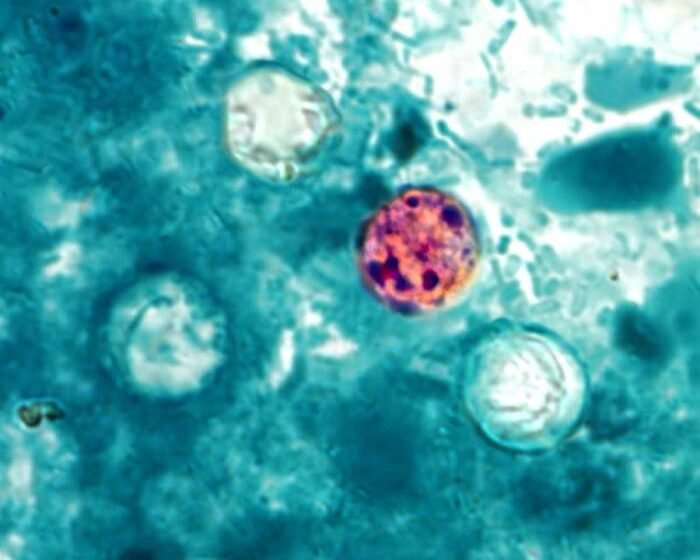
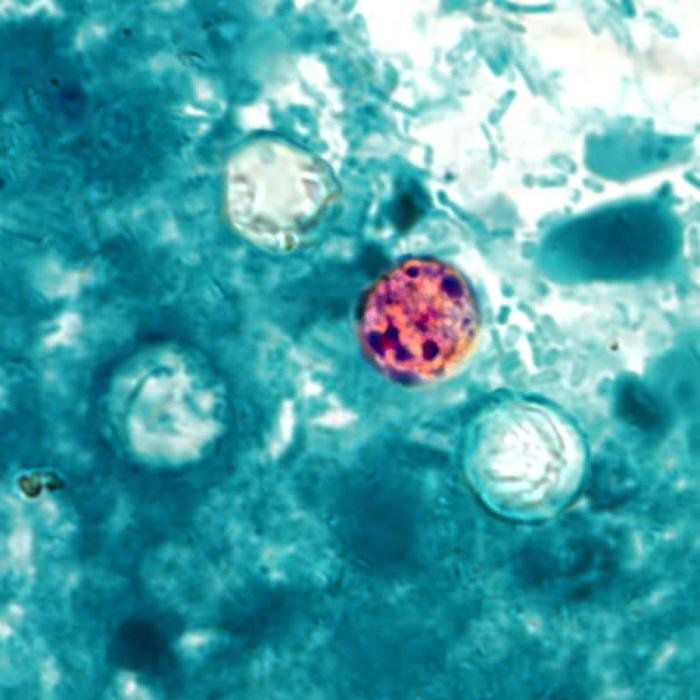
This particular parasite has garnered attention, with some sources describing it as an “explosive diarrhea parasite” due to the intense gastrointestinal distress it inflicts upon those infected. The pathogen, known as Cyclospora cayetanensis, is a microscopic parasite that can cause cyclosporiasis, a condition characterized by watery diarrhea, loss of appetite, weight loss, stomach cramps, bloating, nausea, and fatigue. The presence of this outbreak underscores persistent challenges in food safety and public health surveillance within the country.
States such as Michigan, Texas, and New York have reported significant clusters of illness, pointing to a broad geographic spread of the contamination. The ongoing nature of the outbreak suggests a persistent source, with health officials working to identify and mitigate the risks posed by contaminated food products entering the supply chain.
Background
Cyclospora cayetanensis is a single celled parasite that can infect humans and cause an intestinal illness known as cyclosporiasis. Unlike many other foodborne pathogens, Cyclospora is not spread directly from person to person. Instead, it is typically acquired by consuming food or water contaminated with the parasite. Fresh produce, particularly items like berries, leafy greens, and herbs, has frequently been implicated in past outbreaks due to its preparation and consumption practices. The parasite requires a period outside the host to become infectious, meaning that direct fecal oral transmission is unlikely.
Once ingested, Cyclospora parasites infect the small intestine, leading to a range of unpleasant symptoms that can last for weeks or even months if left untreated. Symptoms often include severe, watery diarrhea, sometimes described as “explosive” in its intensity, along with stomach cramps, bloating, gas, nausea, vomiting, fatigue, body aches, headache, and fever. Individuals with weakened immune systems may experience more severe and prolonged illness. Treatment typically involves specific antibiotics, underscoring the importance of accurate diagnosis. Public health agencies continuously monitor for clusters of such illnesses to trace back contamination sources and issue timely advisories, aiming to protect the wider population from exposure to this tenacious pathogen.
Timeline of Events
2026-07-07: The first comprehensive reports emerged regarding a Cyclospora outbreak spreading across multiple US states. The Indian Express was among the outlets highlighting the severity of this parasitic infection, which was linked to contaminated produce and causing severe stomach illness.
Ongoing Reports: Subsequent reports detailed clusters of severe stomach illness surfacing across the United States. This period saw health authorities begin to track the increasing number of cases.
Michigan’s Struggle: The Cyclosporiasis outbreak in Michigan continued to grow, with reports indicating nearly 700 cases in the state. This substantial number, as noted by WILX, solidified Michigan as a significant hotspot in the national outbreak.
Texas Cases: Nueces County in Texas was identified as experiencing the highest number of parasitic diarrhea cases reported within the state, according to the Times Herald Record. This indicated the localized intensity of the outbreak in certain regions.
New York’s Concern: Rising parasite infections across New York were also linked to contaminated produce. Yahoo reported on these growing concerns, emphasizing the multi state nature of the contamination and its broad impact on public health.
Why It Matters
The current Cyclospora outbreak carries profound implications for public health, food safety, and consumer confidence across the United States. The widespread nature of the infection, affecting multiple states and causing severe gastrointestinal distress, places a considerable burden on healthcare systems. Individuals suffering from cyclosporiasis often require medical attention and may experience prolonged periods of discomfort and inability to work or attend school, leading to productivity losses and increased healthcare expenditures.
Beyond the immediate health concerns, the outbreak erodes public trust in the food supply chain. When produce, considered a healthy staple, becomes a vector for illness, consumers may become wary, potentially impacting agricultural markets and food consumption patterns. It highlights the intricate challenges of ensuring food safety from farm to fork, particularly with fresh, often unwashed or minimally processed items. Such events serve as crucial reminders for robust surveillance systems, rapid response protocols, and stringent hygiene practices throughout the cultivation, harvesting, and distribution of agricultural products. Furthermore, the persistent nature of Cyclospora outbreaks underscores the need for ongoing research into effective prevention and control strategies, particularly those that address environmental factors and agricultural practices contributing to contamination.
What Could Happen Next
The trajectory of the Cyclospora outbreak remains a significant concern for public health officials. If the exact source or sources of contamination are not swiftly identified and contained, there is a substantial risk of the outbreak expanding further, both in terms of geographical reach and the number of individuals affected. Consumers in other states might begin to report similar symptoms, leading to a broader national health crisis.
Health authorities are likely to intensify their investigations, working closely with food safety agencies, agricultural producers, and distributors to trace the contaminated produce back to its origin. This process can be complex and time consuming, given the intricate global food supply chain. Enhanced public health advisories are also probable, potentially including more specific recommendations for washing produce or even temporary warnings against certain types of fresh produce if a particular item is identified as the primary culprit. In the event of a definitive link to specific products or suppliers, widespread food recalls could be initiated, impacting businesses and potentially leading to economic losses. The incident could also spur policymakers to review and potentially strengthen existing food safety regulations, focusing on preventative measures and improved pathogen detection technologies to mitigate future outbreaks of this nature. Continued vigilance and cooperation among all stakeholders will be paramount in bringing this public health challenge under control.
Frequently Asked Questions
What exactly is Cyclospora?
Cyclospora is a microscopic parasite that, when ingested, causes an intestinal infection known as cyclosporiasis. This illness is characterized by severe gastrointestinal symptoms, including watery diarrhea, stomach cramps, nausea, and fatigue. The parasite is typically transmitted through contaminated food or water.
How can individuals protect themselves from Cyclospora infection?
Protecting oneself primarily involves practicing rigorous food hygiene. Thoroughly washing all fresh fruits and vegetables under running water before consumption is crucial. While washing can help remove some contaminants, it may not eliminate all parasites. It is also advisable to cook produce when possible, as heat can kill the parasite, and to avoid consuming untreated water.
Which US states have been most affected by this current outbreak?
According to available reports, several US states have been significantly impacted by the current Cyclospora outbreak. Michigan has reported nearly 700 cases, making it a major affected region. Nueces County in Texas has also seen a high number of parasitic diarrhea cases, and New York is experiencing rising infections linked to contaminated produce.