 In 30 Seconds




India China relations news: This news analysis explains India China relations news for readers searching for clear, current and useful context from an India-focused global news outlet.
India China relations news: key context for readers
The reason India China relations news matters is that it connects headline developments with policy choices, markets, technology, diplomacy and the way India is understood by audiences in the West. This article keeps the search intent simple: what happened, why it matters, and what readers should watch next.
In focus: India China relations. This analysis explains why India China relations matters for readers in India and the West, and how it connects to policy, markets, technology or diplomacy.
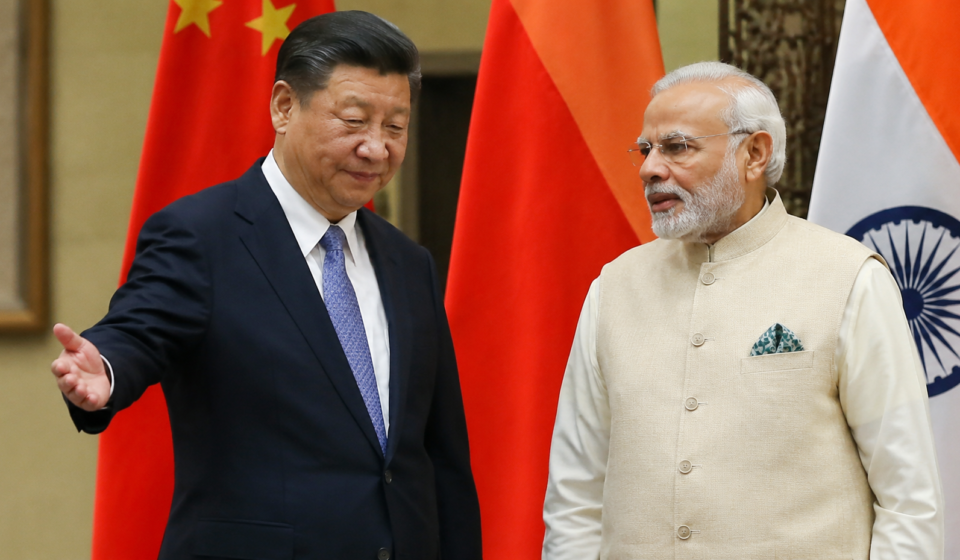
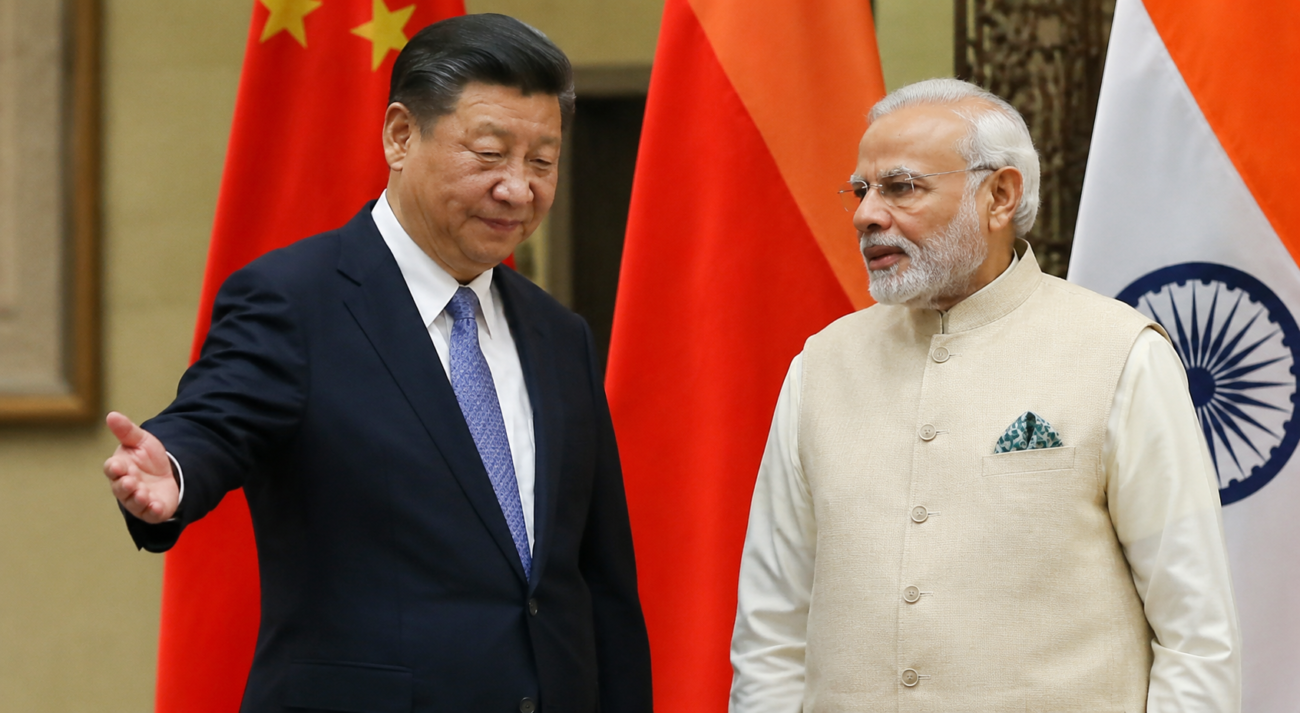
There is a useful test for any diplomatic thaw, which is whether it survives the next crisis or simply gets forgotten the moment one arrives. The normalisation between India and China that began at the 2024 BRICS summit in Kazan has now passed that test once, surviving the brief but intense India Pakistan conflict of May 2025 even as Beijing extended military, intelligence and political support to Islamabad during the fighting. That the relationship did not collapse under that strain says something real about how much both governments now want this thaw to hold. It does not mean the underlying disputes have gone anywhere.
The latest evidence of where things actually stand came on May 27, when India and China held the thirty fifth meeting of their Working Mechanism for Consultation and Coordination on Border Affairs in Beijing, led on the Indian side by Joint Secretary Sujit Ghosh and on the Chinese side by Hou Yanqi, director general for boundary and oceanic affairs. Official statements from both capitals described the talks in the language diplomats reach for when they want to signal progress without committing to anything specific, constructive dialogue conducted in a practical and friendly atmosphere, both sides expressing satisfaction with the maintenance of peace and tranquillity along the border. India used the meeting to press for an early session of the Expert Level Mechanism on Trans Border Rivers, a body that governs data sharing on waterways like the Brahmaputra, a request that went unanswered with no date set for follow up talks.
The pattern repeating across these meetings is one of process without resolution. Both governments have, since 2024, built and rebuilt a set of mechanisms, the Working Mechanism itself, Special Representative talks now headed toward their twenty fifth round, corps commander level military dialogue first activated after the 2020 Ladakh standoff, that keep officials talking to each other on a regular schedule. What none of these mechanisms have produced is actual delimitation of the disputed border, removal of troops and equipment that remain stationed in forward positions, or a resolution to the dispute over the Yarlung Tsangpo dam that China continues building upstream of a river that flows into India as the Brahmaputra. An incident last November, in which an Indian national was detained at a Chinese airport for having been born in Arunachal Pradesh, a state China continues to claim as its own territory, was a small but pointed reminder of how little the diplomatic warmth has changed on the ground.
Analysts watching the relationship describe 2025 as the year the thaw fully unfolded, and 2026 as the year it has to start doing harder work. The easy gains, restored direct flights, resumed pilgrimage routes, a general easing of rhetoric, have mostly already happened. What remains is the genuinely difficult material, an actual boundary settlement, a more balanced trade relationship in a context where India runs a substantial deficit with China, and a regional environment in which China continues deepening its relationship with Pakistan and expanding its presence in Bangladesh, even as it talks peace with Delhi. India, for its part, has continued building its own counterweights, deepening defence cooperation with the Philippines and pursuing what officials describe as multipolarity in Asia through relationships with Russia and other partners, a hedge that makes obvious sense given how recently Beijing stood behind Islamabad in an actual shooting conflict.
None of this means the thaw is failing. It means the thaw was always the easier half of the project, and the part that was always going to determine whether India and China can build a genuinely stable relationship, rather than merely a quieter version of the same rivalry, still lies ahead of both governments.
Why this matters for India and the West
For Indian readers, this story matters because it connects to national interest, economic security, technology access or India as a force in a changing world. For readers in the West, it offers a clearer view of India as an active decision maker in global affairs.
Key takeaways
- Main search intent: India China relations.
- India angle: the issue can affect policy, markets, diplomacy, technology access or public debate.
- Western angle: it helps explain how global decisions are shaped by India scale, demand and strategic choices.
- What to watch: follow official statements, market reactions, policy updates and company announcements.
Explore more: World coverage | Venezuela earthquake: Two boys pulled from rubble among 33 people rescued | Can the so-called nanobubbler save the Reflecting Pool?
Frequently asked questions
What is the main focus of this article?
The main focus is India China relations, explained with context rather than headline noise.
Why should Indian readers care?
Because the issue may influence India economy, foreign policy, technology base, public policy or strategic autonomy.
Why does it matter to readers in the West?
Because India choices increasingly affect supply chains, energy, technology, diplomacy and investment decisions beyond South Asia.
Sources and further reading
Latest news context
Readers looking for India China relations news are usually trying to understand the current development, the background behind it and the likely impact. The Indic Journal frames this story for an audience in India and the West, with emphasis on credible facts, calm analysis and useful next steps.
How should readers follow this story?
Follow official statements, market signals, diplomatic updates, company announcements and policy documents. For continuing coverage, check the World section and related analysis across The Indic Journal.