 In 30 Seconds




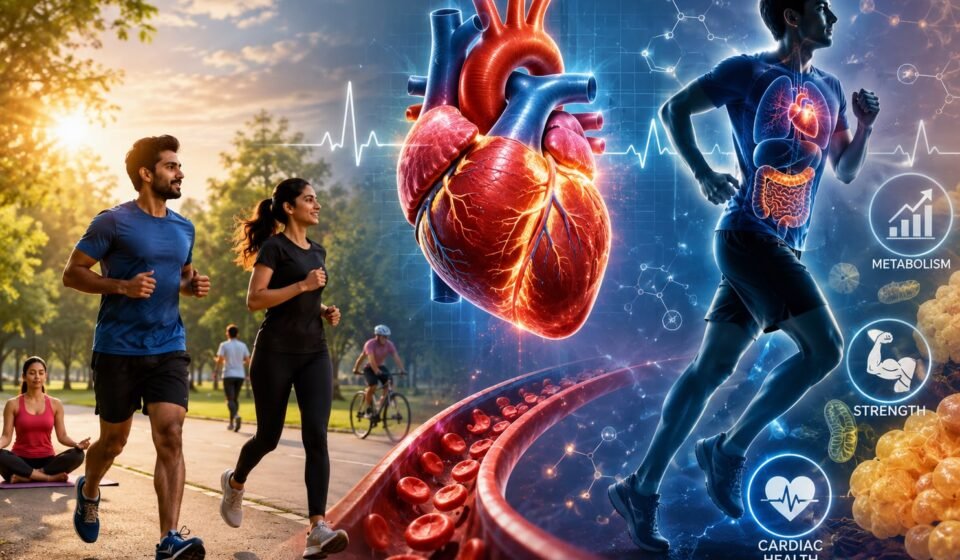
The European Medical Journal has recently brought to light significant findings, establishing a clear connection between consistent physical activity and a healthier metabolome, alongside marked improvements in cardiac function. This research underscores the intricate dance between lifestyle choices and cellular health, painting a more detailed picture of how exercise confers its well documented benefits on the human body. The metabolome, essentially the complete set of small molecule chemicals found within a biological sample, reflects the metabolic state of an organism. Changes within this complex chemical landscape can signal shifts in health and disease. According to the insights published by the European Medical Journal, engaging in regular physical exertion appears to positively recalibrate this internal chemical environment.
This positive recalibration extends directly to the heart, an organ whose robust function is paramount to overall well being. The study suggests that a healthier metabolome, influenced by physical activity, contributes to more efficient and resilient cardiac performance. For decades, the benefits of exercise on cardiovascular health have been widely acknowledged and promoted, yet the precise molecular mechanisms often remained a subject of ongoing investigation. This new report, by linking physical activity to specific metabolic profiles that then correlate with enhanced heart function, offers a deeper, more granular understanding of these life sustaining processes. It moves beyond simply observing correlation to exploring potential pathways through which movement translates into a stronger, healthier heart, thereby contributing to longevity and vitality.
Background
The scientific community has long understood the profound impact of physical activity on human health. From strengthening muscles and bones to improving mood and cognitive function, the advantages of an active lifestyle are myriad and well documented. Specifically, within the realm of cardiovascular health, exercise is a cornerstone of preventative medicine. It helps to regulate blood pressure, manage cholesterol levels, and maintain a healthy body weight, all factors critical for warding off heart disease. However, the exact molecular transformations underpinning these macroscopic benefits have always presented a rich area for scientific inquiry. The human body is an incredibly complex system, with countless biochemical reactions occurring simultaneously, creating a dynamic internal environment.
Within this environment, the metabolome plays a pivotal role. Comprising a vast array of metabolites, which are the intermediate and end products of metabolism, the metabolome provides a snapshot of an organism’s physiological state. It can be influenced by genetics, diet, environmental factors, and, crucially, lifestyle choices such as physical activity. By studying the metabolome, researchers can gain insights into disease progression, drug response, and the efficacy of various health interventions. The recent findings highlighted by the European Medical Journal indicate that physical activity does not merely exert a superficial influence but rather instigates fundamental changes within these core metabolic pathways, ultimately leading to tangible improvements in how the heart functions. This work adds another layer of sophistication to our understanding, illustrating how biochemical fine tuning through exercise directly supports cardiac vitality. It suggests a systemic impact, where the effort of movement cascades through the body’s chemical systems, culminating in a more robust cardiovascular system.
Timeline of Events
On July 8, 2026, the scientific community received news of significant research, as the link between consistent physical activity, a healthier metabolome, and improved cardiac function was first reported. This development emerged from research published by the European Medical Journal, marking a point where a deeper understanding of exercise physiology began to solidify, connecting broad health benefits with precise molecular mechanisms. The reporting of this study initiated a fresh perspective on how lifestyle interventions might be optimized for cardiovascular well being, signaling a new frontier in health science.
Why It Matters
The revelations from the European Medical Journal carry substantial weight for public health, medical practice, and future scientific exploration. Understanding that physical activity fosters a healthier metabolome which, in turn, enhances cardiac function provides a powerful, evidence based rationale for promoting active lifestyles. For individuals, this research offers a more profound appreciation for how their daily choices contribute to their long term heart health, moving beyond general advice to a more mechanistic explanation. It validates the age old wisdom of exercise with modern scientific insight, suggesting that the benefits are not merely superficial but are deeply embedded in the body’s fundamental chemical processes.
For healthcare providers, these findings could inform more targeted and persuasive recommendations for patients. Instead of simply advising “exercise more,” clinicians could articulate that physical activity actively remodels the body’s internal chemical landscape in ways beneficial to the heart. This deeper understanding might also open avenues for identifying specific metabolic markers that indicate cardiovascular health status or predict response to exercise interventions. Furthermore, for researchers, this established link serves as a fertile ground for further investigation. It invites inquiries into the specific metabolic pathways affected by different types and intensities of exercise, and how these pathways directly modulate cardiac muscle function and overall cardiovascular resilience. It also paves the way for exploring personalized exercise prescriptions based on individual metabolic profiles, potentially ushering in an era of precision health that integrates lifestyle interventions at a molecular level. The cumulative impact could be a shift towards more effective preventative strategies against heart disease, reducing its prevalence and improving quality of life globally.
What Could Happen Next
Building upon the foundational research reported by the European Medical Journal, the scientific landscape is poised for several exciting developments. One immediate area of exploration will likely involve more granular studies aimed at pinpointing the exact metabolic pathways and specific metabolites that are most significantly altered by physical activity and contribute directly to cardiac improvements. This could lead to the identification of novel biomarkers for cardiovascular health, allowing for earlier detection of risk or more precise monitoring of intervention effectiveness. Researchers might also delve into how varying types, durations, and intensities of exercise impact the metabolome differently, potentially leading to highly individualized exercise recommendations tailored to specific metabolic needs or predispositions.
Beyond the laboratory, these findings hold promise for public health initiatives. Health organizations could leverage this deeper understanding to craft more compelling and scientifically informed campaigns encouraging physical activity. Educational materials could explain not just the general benefits of exercise but also the specific metabolic changes that occur, empowering individuals with knowledge that translates into motivation. In the clinical setting, the insights could pave the way for integrating metabolomic profiling into routine health assessments. While perhaps a distant prospect, imagine a future where a simple metabolic test could guide a personalized exercise regimen designed to optimize an individual’s unique chemical makeup for peak cardiac performance. This research serves as a springboard for innovation, promising a future where our understanding of health and disease is increasingly informed by the intricate molecular conversations happening within our bodies, and where lifestyle interventions are precision engineered for maximum benefit. The focus will undoubtedly shift towards translating these profound molecular discoveries into tangible, actionable strategies that improve human longevity and vitality.
Frequently Asked Questions
What exactly is the metabolome?
The metabolome refers to the complete collection of small molecule chemicals, or metabolites, found within a biological sample like blood, urine, or tissue. These metabolites are the intermediate and end products of metabolic processes and reflect the current physiological state of an organism, influenced by genetics, diet, lifestyle, and disease.
How does physical activity improve cardiac function, according to this research?
According to the European Medical Journal, physical activity is linked to a healthier metabolome. This healthier metabolome, or a more optimal chemical environment within the body, directly contributes to improved cardiac function. The research suggests that exercise induces beneficial changes in the body’s metabolic profile, which in turn enhances the heart’s efficiency and overall health.
What does this research mean for individuals hoping to improve their heart health?
For individuals, this research reinforces the critical importance of regular physical activity for heart health. It provides a deeper scientific understanding that goes beyond general benefits, demonstrating how exercise positively reshapes the body’s fundamental chemistry. This insight encourages maintaining an active lifestyle as a direct, powerful means to cultivate a healthier internal environment that supports a strong and resilient heart.