
 In 30 Seconds




Seven years of Congress resolutions received their first legislative answer in 1892, and the answer measured exactly how far the Raj would bend to polite pressure. The Indian Councils Act of 1892 enlarged the legislative councils, smuggled in a shadow of election while refusing the word, and granted the councillors two new liberties, to discuss the budget they could not amend and to ask questions they could not follow up. It was a concession calibrated to concede as little as possible, and its principal historical work was to teach a generation the size of the gap between asking and receiving.
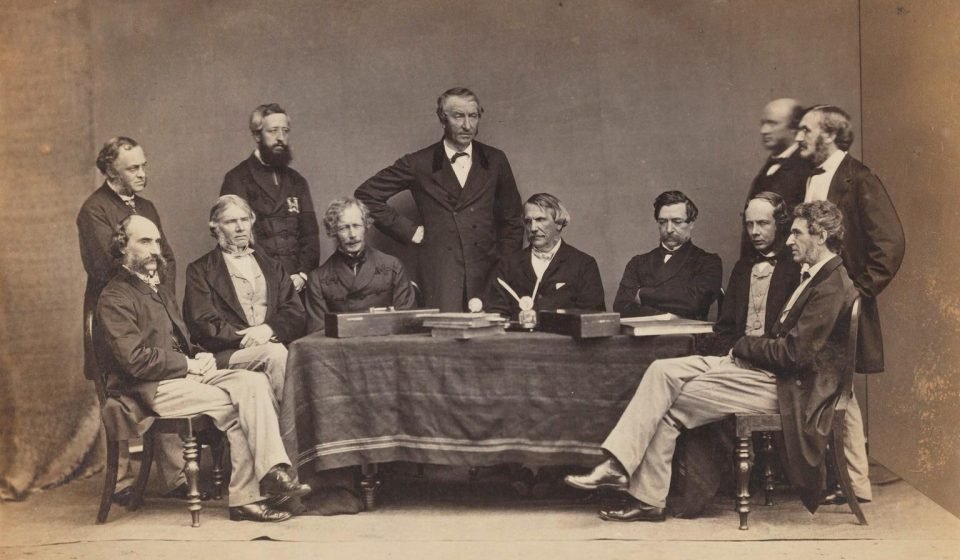
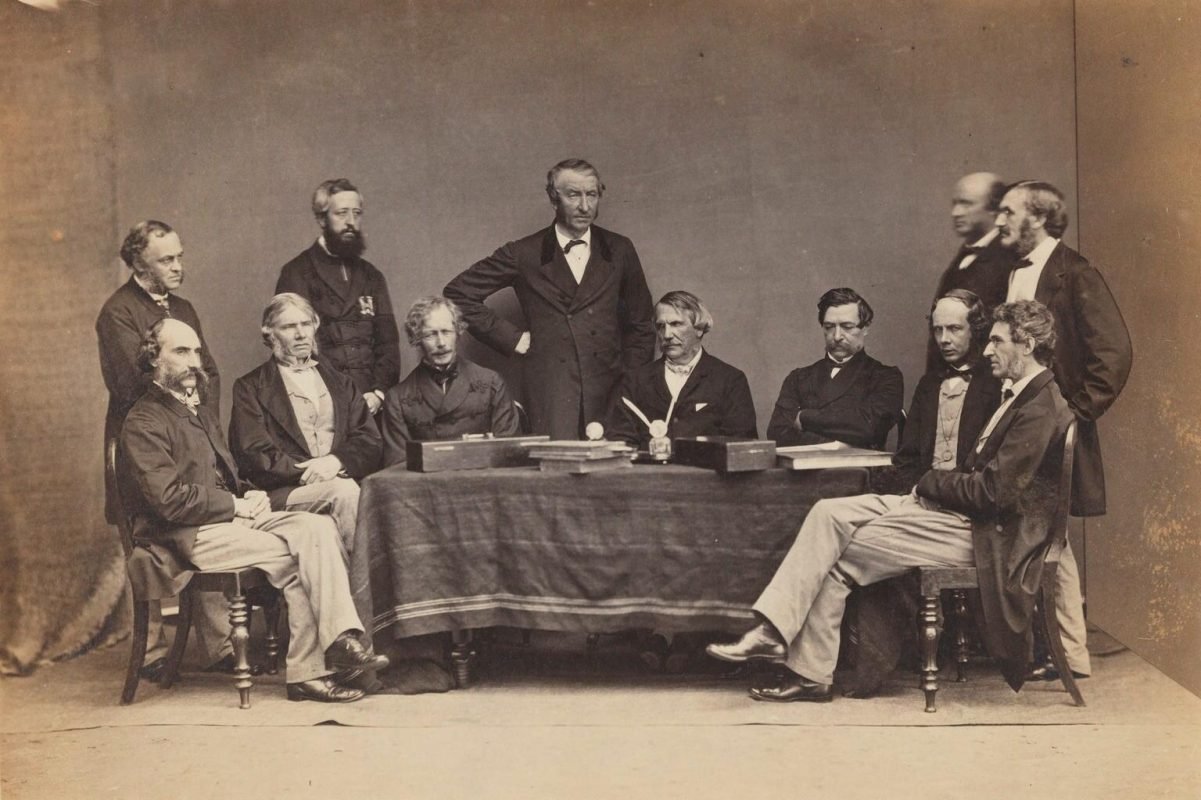
The pressure behind the Act came from both sides of the imperial ledger. The Congress, from its first session, had demanded reformed and expanded councils with elected members, and its case was argued in England by the British Committee and by sympathisers in Parliament, Charles Bradlaugh chief among them, who introduced a bill embodying the Congress scheme. Within the government, men like Lord Dufferin had privately concluded that the councils needed widening to admit authentic Indian opinion, if only as intelligence, while the India Office under the Conservative Lord Cross prepared a measure whose guiding purpose, candidly recorded, was to rally the moderate and propertied against the clamorous. The Act that emerged in 1892 raised the additional members of the Imperial Legislative Council to between ten and sixteen and enlarged the provincial councils in proportion, with nonofficial majorities among the additional members but official majorities overall carefully preserved.
The mode of choosing these members contained the Act’s celebrated evasion. Election was constitutionally inadmissible to the government of the day, so the statute spoke only of nomination, while the regulations beneath it provided that certain bodies, municipalities and district boards, universities, chambers of commerce and the great landholders, might recommend members whom the Viceroy or Governors would then appoint. Recommendation was election in everything but name, and everyone concerned understood the veil for what it was. Through this side door entered the men who made the councils matter, Gokhale recommended by the Bombay legislature to the Imperial Council in due course, Pherozeshah Mehta, Rashbehari Ghosh, and above all in the first cohort the members who transformed the annual budget discussion into the empire’s yearly audit.
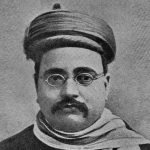
For that was the Act’s second concession, the right to discuss the annual financial statement, though not to vote upon it or move amendments, and to put questions to the executive, though not supplementary questions. Skilled hands made these narrow instruments cut. Gokhale’s budget speeches, delivered annually from 1902, became national events, dissecting military expenditure, the drain, famine policy and the currency with a mastery that ministers privately acknowledged and publicly endured, while the question hour, however muzzled, forced the government for the first time to answer, on record, for its administration. The councils remained powerless, their nonofficial voices always outvotable, but they had become a stage, and the nationalist movement discovered what it could do with a stage.
The Act’s inadequacy was itself formative. The Congress had asked for a quarter century of constitutional advance and been given an inch hedged with denials, and the lesson was drawn in different directions by different temperaments. The Moderates read it as proof that pressure worked slowly and must be maintained. The rising generation read it as proof that petitioning was a beggar’s method, and Tilak’s question, whether the peasant’s burden had been lightened by a decade of speeches, gathered its force from the meagreness of 1892. Both readings were correct, and their argument became the politics of the next twenty years.
Constitutionally, the Act of 1892 was the hinge between the nominated council of 1861 and the elected politics of the twentieth century. The fiction of recommendation prepared the open, if communal, electorates of the Morley Minto reforms of 1909, and the budget speech and question hour grew, through the reforms of 1919 and 1935, into the parliamentary practice that independent India inherited whole. The Raj had intended a safety valve. It had installed, without meaning to, the first working parts of an Indian parliament.
1885 to 1905 - Moderates and Awakening
Part 3 of 10 in this chapter.