 In 30 Seconds




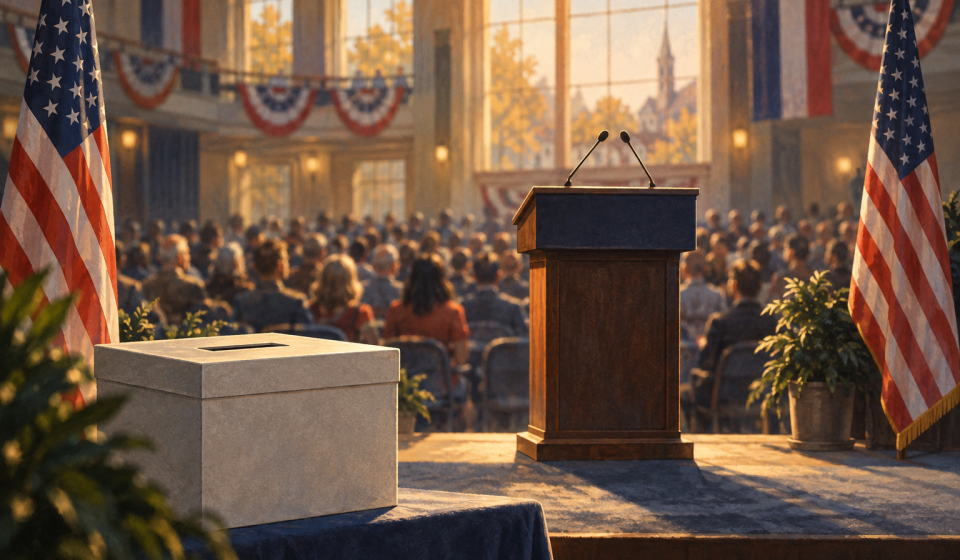
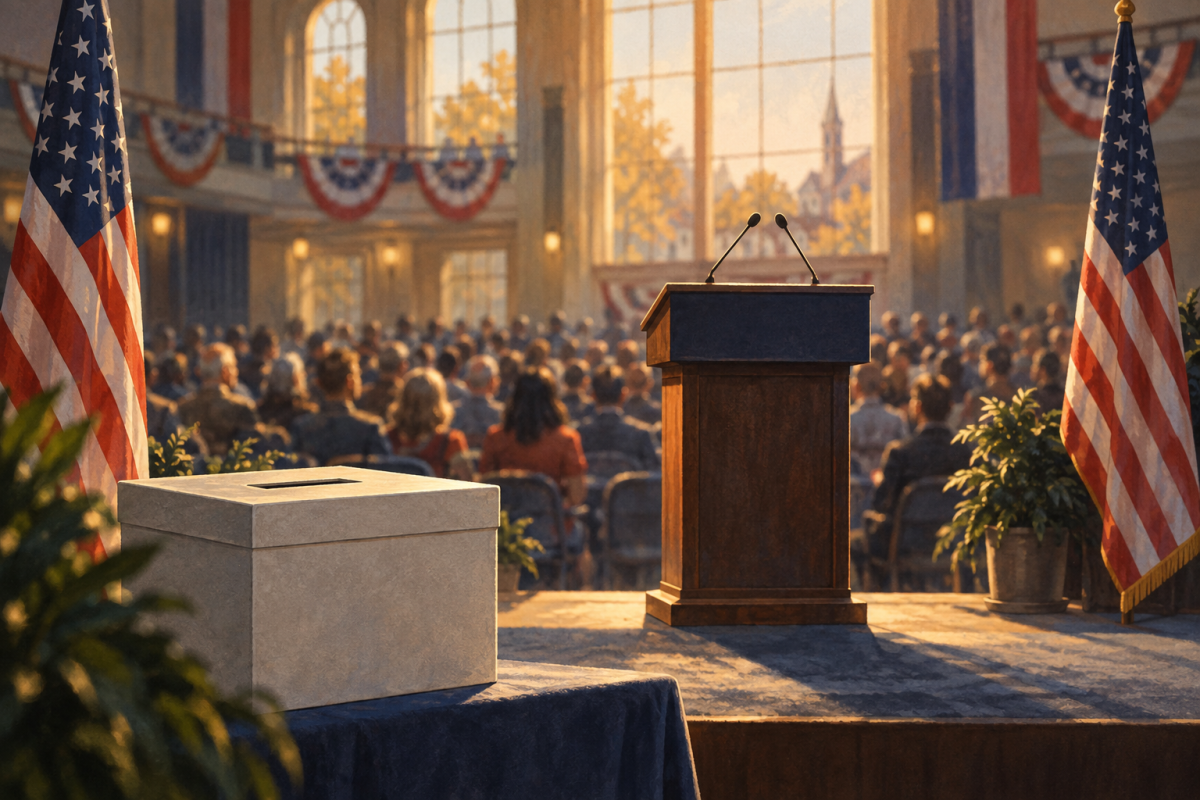
With four weeks to go before the November 3 midterm elections, President Donald Trump has turned himself into the Republican Party’s chief campaigner. On Saturday night he stood on stage at Butler High School in Vandalia, Ohio, and told supporters that he expects a big surprise at the ballot box. The line captured both his confidence and the anxiety lurking behind it.
A rally for Husted and Ramaswamy
According to Al Jazeera, Trump used the Ohio stop to back Senator Jon Husted, gubernatorial candidate Vivek Ramaswamy and other Republicans, urging voters simply to get out and vote. He won more than 55 percent of Ohio’s vote in the 2024 presidential election, but the same report notes that economic concerns since then have sunk his approval ratings.
NBC News reports that the White House has told it the president will visit at least 17 states between now and election day. Earlier stops included a rally in Texas for Senate candidate Ken Paxton on October 1 and an event in Alabama on October 2.
The energy cost problem
One of the more revealing moments came over electricity. Husted sponsored the Ratepayer Protection Act, which aims to rein in higher utility costs associated with power hungry data centers by asking regulators to charge large users more. Senate Democrats blocked the bill this past week, and Trump attacked them for it at the rally.
Yet he also made the case for data centers, saying plainly that he wants them. That position is politically delicate, because the rapid build out of artificial intelligence infrastructure is one of the reasons many households face rising power bills. It is an issue that can cut both ways for Husted.
Tariffs and the farm belt
Trade policy is another drag. Trump’s dispute with Canada has led to retaliatory Canadian tariffs that affect about $3 billion of Ohio exports, based on 2025 figures reported by the Canadian broadcaster CBC. For manufacturers and farmers in Ohio, the promise of protection from tariffs has to be weighed against the cost of retaliation.
What else is on the president’s mind
Away from the stump, Trump has been pressing congressional Republicans to end the twice yearly switching of clocks, and on Sunday announced a new federal AI task force, which we cover in our piece on the Super Intelligence Force. The foreign policy backdrop is difficult too, with the standoff with Iran continuing, as described in our report on the Hormuz crisis.
How to read the numbers
Midterms are usually unkind to the party in the White House, and Al Jazeera describes the final month as bordering on angry. Polls can miss, and turnout in midterms is hard to model. A president who campaigns heavily can energise his base, but he can also nationalise an election in districts where local candidates would rather talk about local issues.
Why this matters beyond America
For readers in India, the outcome matters more than it might seem. A Congress that is hostile to the White House could slow tariff measures and shape trade, defence and technology legislation. A Congress that stays loyal gives Trump freer rein. Either way, the November 3 vote will shape the environment in which India negotiates its own trade deal, a subject we explore in our analysis of India US relations.
Whether the promised surprise materialises is a question only voters can answer. What is already clear is that the president has staked his credibility on the result.