 In 30 Seconds




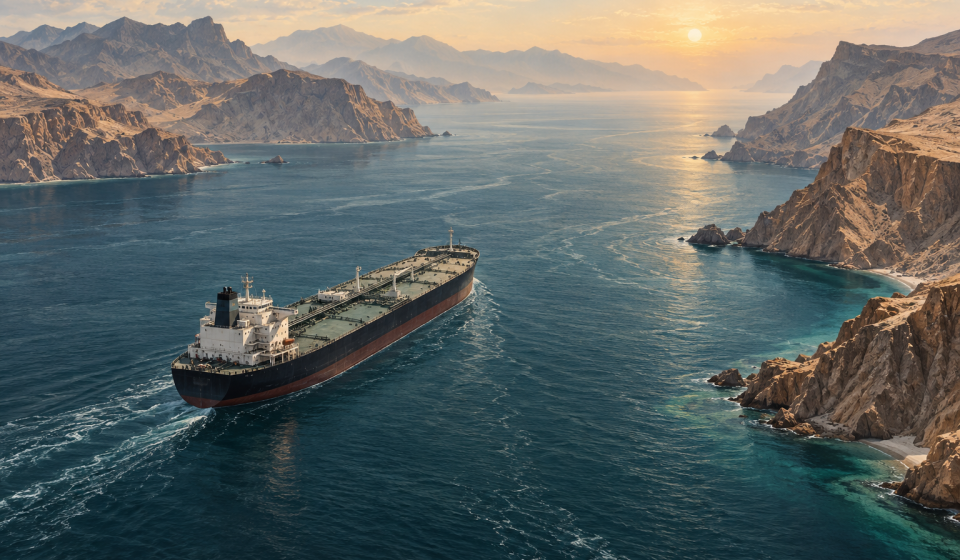
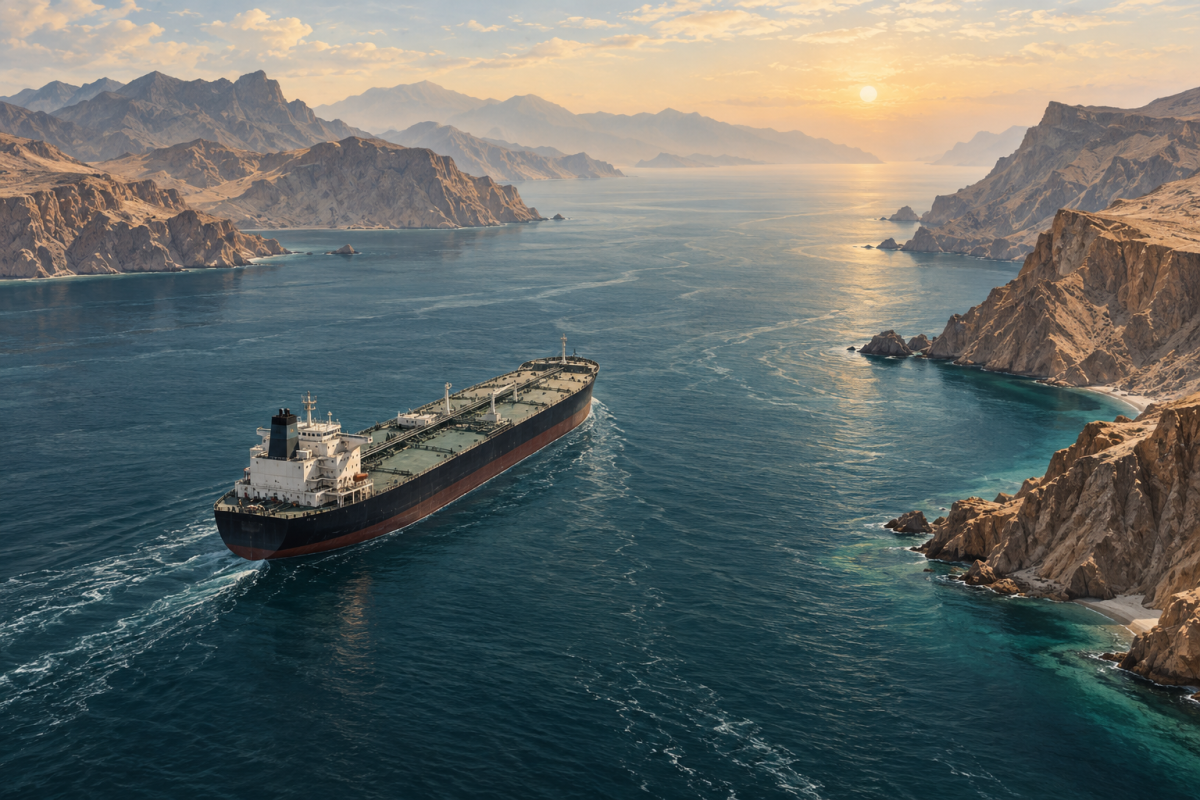
The confrontation between the United States and Iran has settled into a dangerous pattern. Each side says it prefers diplomacy, each says it is ready for war, and neither appears willing to give ground on the central issue. As of October 4, the Strait of Hormuz, the narrow waterway that carries a fifth of the world’s oil trade, remains at the centre of the contest.
Where things stand
According to Fox News’s live coverage, President Donald Trump rejected Iran’s peace conditions, and Iran has reportedly responded by doubling down on them. Trump’s position is that a country that chants death to America should not be given a path to a nuclear weapon. He has said Iran will suffer economic consequences if it keeps threatening commercial ships in the strait.
Iran’s foreign minister warned that if Washington moves towards military solutions, Iran is more prepared than before. An army spokesperson told Iranian media that the war showed Iran must increase the range of its missiles, and that it is moving in that direction. Missile range has itself been a sticking point in the negotiations.
A war that reshaped the region
The current phase follows the war that began on February 28, when a US and Israeli air campaign against Iran led Tehran to close the Strait of Hormuz. A ceasefire was announced on April 8, but the strait has remained only partly open, with Iran limiting the number of ships that cross. Insurance costs for tankers have exploded as a result, and shipping through the chokepoint has been disrupted for months.
Pressure points on both sides
The Fox report argues that the strait’s restrictions have squeezed the Iranian economy and pushed Iran towards the negotiating table. Washington sees economic pressure as leverage. Tehran sees the closure as its own leverage over the world economy. Each is betting that the other will blink first.
Domestic politics add urgency in Washington. With the midterm elections on November 3, high fuel prices are a political liability for Republicans, and a new military operation would carry risks. This is part of the backdrop to the president’s heavy campaign schedule, described in our article on the Ohio rally.
Three scenarios
- A negotiated reopening. Both sides accept a phased deal on enrichment limits and shipping. This is the outcome markets would reward, but the gaps remain large.
- A prolonged stalemate. The strait stays partly restricted, prices stay high and incidents at sea remain a constant risk.
- Renewed strikes. Collapsing talks could trigger another round of attacks, with Iranian missiles aimed at US bases and shipping.
What it means for Asia and India
Asian economies are the biggest buyers of Gulf oil and gas, which makes them the most exposed. India imports well over 80 percent of its crude, and a large share of that passes through Hormuz. Our companion analysis, How the Hormuz crisis is hurting India, looks at the impact on fuel, the rupee and interest rates.
The simplest lesson from this standoff is that threats are cheap and reversals are expensive. Both Washington and Tehran have painted themselves into positions that are hard to abandon without appearing weak. Diplomats will need to craft a face saving formula, and the sooner they do, the better for a world economy that has paid dearly for this conflict.