
 In 30 Seconds




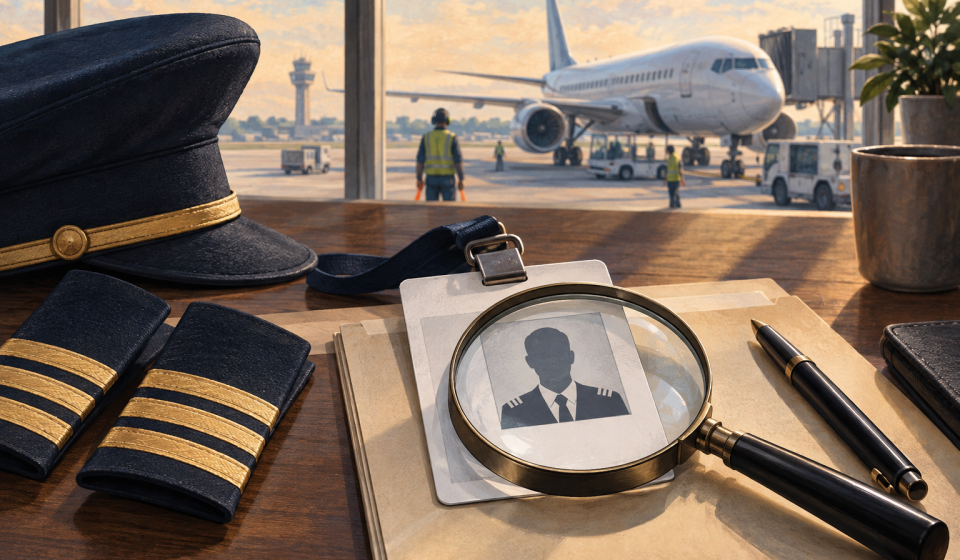
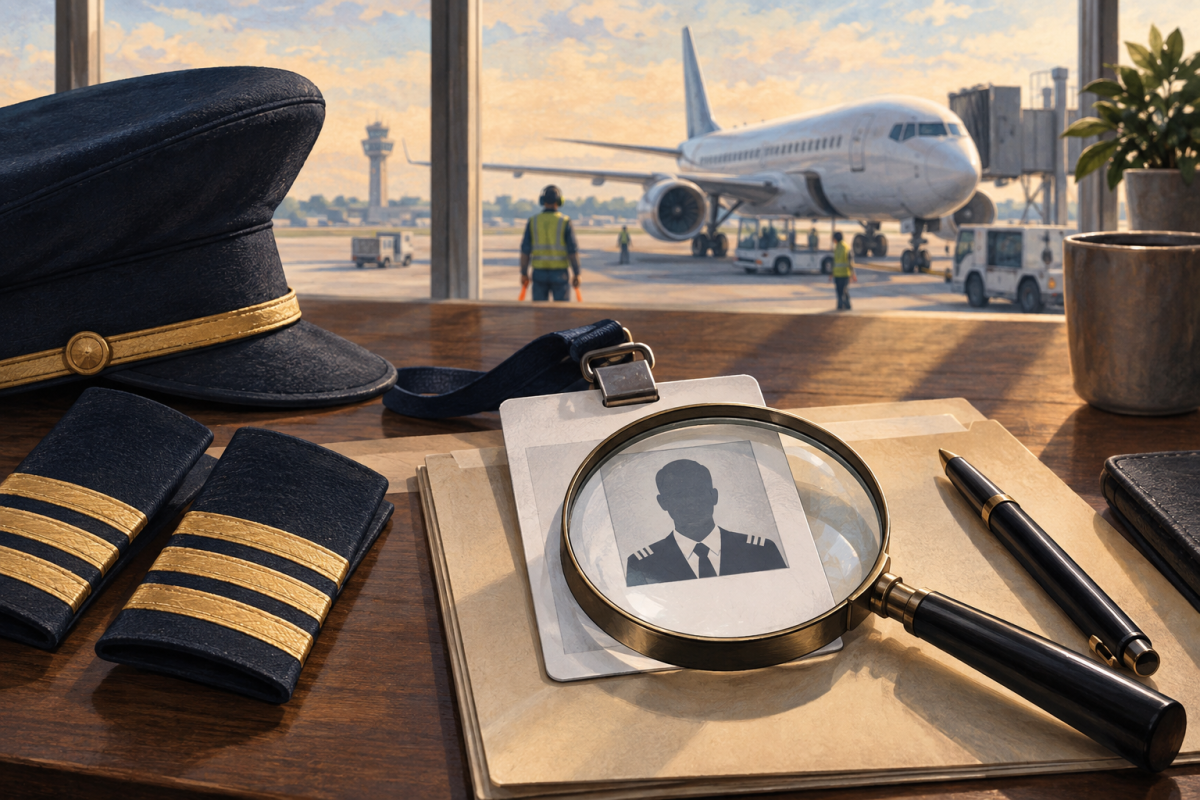
The most unsettling question raised by the Flydubai cockpit attack is not how the crew stopped it. It is how the alleged attacker reached the flight deck at all. CNN reported that the suspected copilot was removed from Oman’s national airline last year following concerns about his extremist views, according to its sources. That single detail has turned a story about heroism into a story about systems.
A career path that raises questions
If the reporting is accurate, a pilot flagged as a possible security risk by one carrier later flew for another. Al Jazeera framed the same puzzle in a headline asking how the Flydubai copilot was cleared despite being deemed a security risk. Neither Flydubai nor the UAE has publicly explained what checks were done at the time of hiring, and the airline has said that many questions remain while the investigation continues.
It is important to be fair here. The facts about the suspect are still emerging, and the legal process in the UAE has barely begun. But the questions are legitimate, and aviation safety experts quoted by CNN say the incident points to failures before the flight ever took off.
Where airline security usually has weak points
Airline security is built in layers, and the layers tend to fail at the seams between organisations.
- Hiring checks. Airlines normally review a pilot’s licence history, medical status and criminal record. Behavioural concerns that never resulted in a criminal case may not appear in any formal database.
- Information sharing. When one airline removes a pilot for security reasons, there is often no mandatory channel to warn other carriers, particularly across national borders.
- Ongoing monitoring. A clean check at hiring does not guarantee anything years later. Many aviation experts argue for periodic reassessment rather than a one time clearance.
- Cockpit equipment. Crash axes are commonly carried in cockpits as emergency tools. The same object that is meant to save lives became, according to the UAE, a weapon.
The lesson from earlier crises
Aviation has learned expensive lessons before. After the 2001 attacks, cockpit doors were reinforced worldwide to keep intruders out. After the 2015 Germanwings crash, regulators and airlines debated rules to ensure a pilot is never alone on the flight deck. The Flydubai case is different from both, because the alleged threat came from inside the cockpit and the defence that worked was the passengers and the off duty pilots on board, not a procedure.
That should worry regulators. A system that depends on luck, such as having reserve pilots seated in the cabin, is not a system. Policy makers will now need to ask whether screening rules for flight crew, rather than just for passengers and baggage, are strong enough.
What regulators and airlines could do
Analysts commonly point to a short list of reforms. These include a shared international alert mechanism for pilots removed on security grounds, mandatory reference checks that cover security as well as performance, periodic reassessment during a pilot’s career, and a review of what emergency tools are kept in reach of the flight deck. None of these steps is simple, and each raises privacy and labour questions. But the cost of doing nothing has just been demonstrated at 30,000 feet.
Investigations still to come
The UAE and Israel are both investigating, and Saudi Arabia will conduct its own inquiry because the flight landed at Tabuk. Their findings may take months. Until then, airlines across the region are likely to quietly review their own records, and passengers should expect tighter scrutiny of crew in the near term.
For Indian travellers, who make up a large share of passengers on Gulf carriers, the practical advice is not to panic. Air travel remains very safe. The responsible demand is for transparency: regulators should publish what went wrong, and airlines should explain what they are changing. The earlier story, our account of the incident itself, sets out the timeline.