 In 30 Seconds




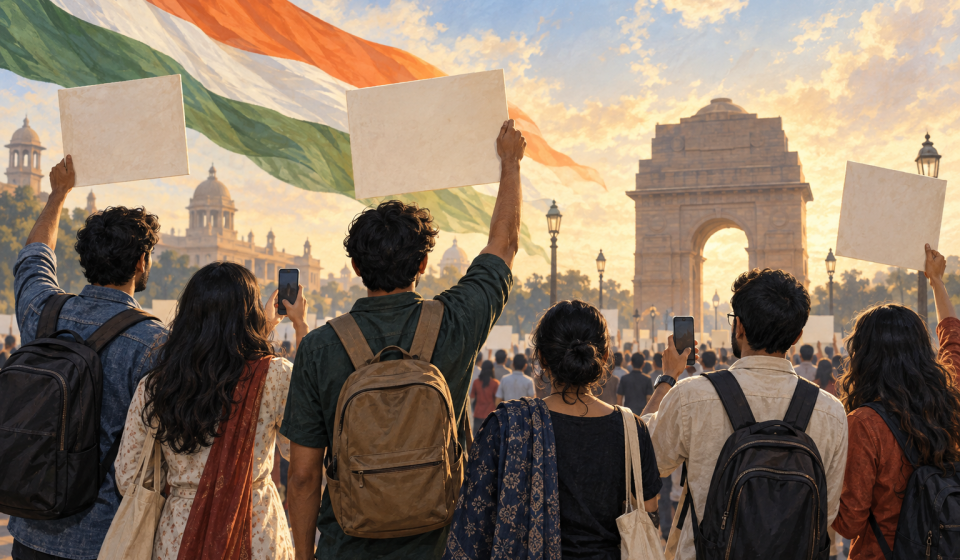
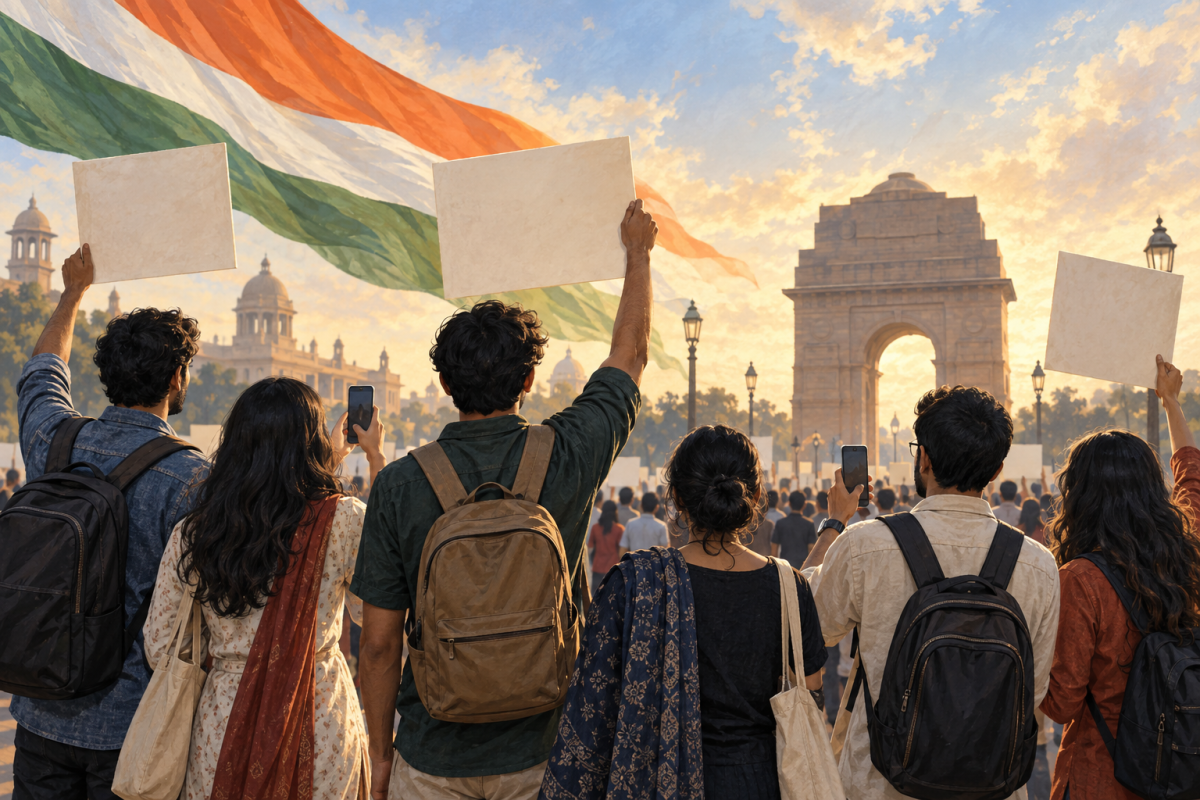
A year ago few people outside social media had heard of it. Today the Cockroach Janta Party, known as the CJP, is one of the most closely watched youth movements in India. It has held talks with the government, drawn thousands to the streets and attracted the attention of international news organisations. So what exactly is it?
From joke to movement
According to Wikipedia’s summary of the movement, the CJP started as a mock political platform that spread quickly online. Its name is a wordplay on the ruling Bharatiya Janata Party, and it roughly translates to the Cockroach People’s Party. Its website launched under the tagline Voice of the Lazy and Unemployed, and described itself as a platform for all the cockroaches out there.
Al Jazeera notes that the protests began as online satire involving only a few hundred young people. The humour hid real frustration. The movement harnessed discontent among Generation Z over jobs, exams and the cost of living, and it has since organised protests and community service activities across the country.
Who leads it
The movement’s chief is Abhijeet Dipke, who has said the CJP is not affiliated with any political organisation and wants to serve as a platform for young Indians who feel left out of mainstream politics. Spokespersons such as Saurav Das and Ashutosh Ranka brief the media. It is important to note that the CJP is not registered as a political party with the Election Commission of India, which makes it a pressure group and not an electoral contender.
Key moments so far
- May 2026: The CJP’s official account on X was withheld in India on May 21.
- July 2026: Protests over national examination paper leaks gathered force. Demonstrators demanded the resignation of Education Minister Dharmendra Pradhan, and opposition parties echoed the call and disrupted the monsoon session of Parliament. CJP leaders held talks with the government on July 24 but said the protests would not stop. See Al Jazeera’s report.
- October 2026: The movement turned its focus to the Election Commission and its voter roll revision, launching a Jail Bharo agitation in Mumbai and planning a major rally in New Delhi on October 10.
What does the CJP want?
The demands have widened over time. In the summer the central issue was exam integrity and accountability for paper leaks. Now the headline demand is the resignation of Chief Election Commissioner Gyanesh Kumar, along with changes to the Special Intensive Revision of electoral rolls. Business Standard reports that the party’s demands extend beyond the resignation itself.
How the establishment responds
Authorities have not treated the movement as a joke. Mumbai Police denied permission for the planned gathering at Shivaji Park, and Delhi Police have detained dozens of people trying to assemble near the centre of the capital. The Election Commission and the BJP deny the allegations about voter deletions. The CJP says its agitation is peaceful.
Why it matters
India has the world’s largest youth population, and a large share of it is anxious about work. Movements that start with irony can mature quickly when they find a concrete grievance, and exam leaks and electoral rolls are both grievances that touch millions of families directly. Whether the CJP can convert online energy into lasting organisation is the open question. Satire gets attention, but sustained politics needs structure, leadership and a clear agenda.
Whatever one thinks of its tactics, the rise of the CJP shows that a new generation wants a voice. Our report on the current Election Commission protests explains where the agitation stands this week.