 In 30 Seconds




For much of the past year India chose silence when Washington irritated it. That has changed. Speaking at an event in New York, External Affairs Minister S. Jaishankar offered a blunt assessment of the United States, saying it had been an insensitive partner on terrorism, had warmed to Pakistan and had pursued self centred trade policies that hurt the Global South. As Al Jazeera reports, the shift marks a new edge in how New Delhi deals with the Trump administration.
A cooler phone call
The tone was visible in Prime Minister Narendra Modi’s latest conversation with President Donald Trump. After speaking on Wednesday, Modi described the call as productive, a formal and restrained word compared with the language of friendship he used for Trump in earlier years. The contrast is striking when set beside the warm handshake at the White House in February 2025.
Pain point one: trade and tariffs
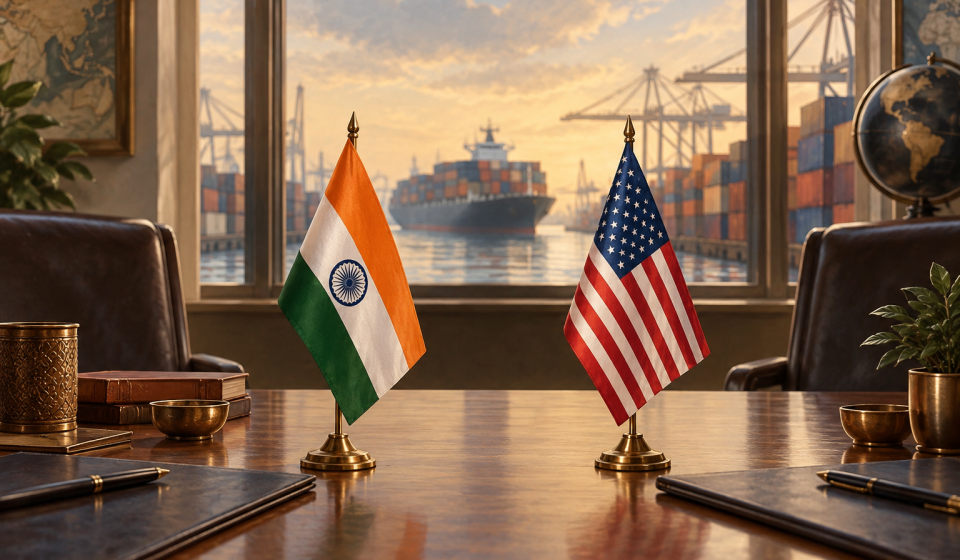
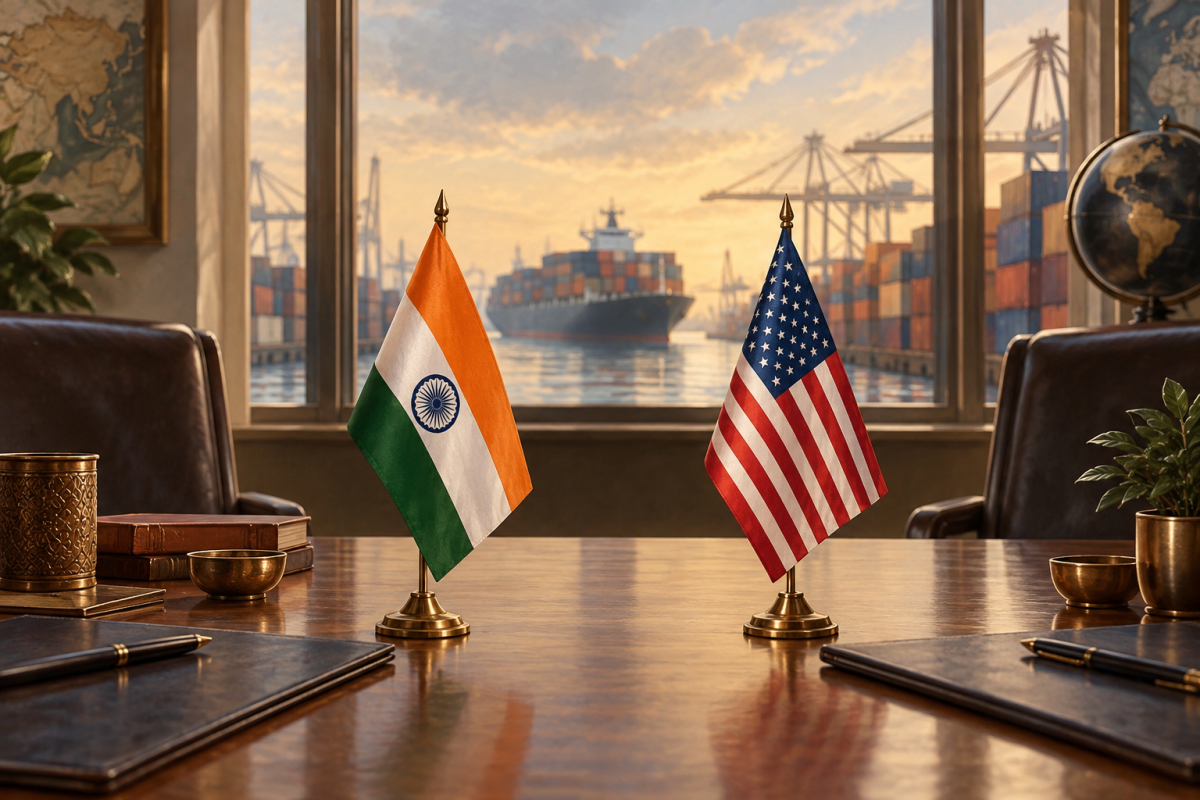
The United States is India’s largest trading partner. Goods trade reached $149.1 billion in 2025, with India enjoying a surplus of about $58.4 billion. Yet the relationship has been repeatedly tested. After the US Supreme Court struck down Trump’s sweeping tariffs in February, the administration turned to other tools, including a new 10 percent global tariff. Earlier this month Trump also signed a law allowing tariffs of up to 100 percent on countries such as India that buy Russian oil.
Jaishankar says there is more or less an understanding on a bilateral trade agreement, but he conceded that early hopes of a rapid breakthrough ran into a more complex reality. Agriculture remains a core obstacle, because India has long protected its farmers from open competition.
Pain point two: Pakistan and terrorism
The second source of friction is security. India was angered when Trump said he had helped secure a ceasefire in last year’s brief conflict between India and Pakistan, a claim New Delhi has consistently resisted because it rejects outside mediation. Delhi also watches with unease as Islamabad has courted Trump, praised him and nominated him for a Nobel Peace Prize, while relations between Pakistan and Washington have improved. Jaishankar said terrorism is particularly important to India and that it expects greater understanding from the United States.
Why speak up now?
Analysts quoted by Al Jazeera give a domestic explanation. Former diplomat Ajay Bisaria argues that India decided to be more public because criticism at home had grown, along with a sentiment that the US was bullying India while New Delhi stayed silent. Modi faces pressure not to appear weak before Washington, and the public mood towards the US is changing perceptibly. Others describe an approach of waiting out Trump, treating his unpredictability as something to manage rather than fight.
India’s options
India is not without leverage. It is a large market, a manufacturing alternative for companies diversifying from China, and a key partner in the Indo Pacific. It has also expanded its web of trade agreements, including with the European Free Trade Association, and our report on the India and Switzerland agreements shows how Delhi is spreading its bets.
At the same time, the costs of a prolonged quarrel are real. Exporters of textiles, gems and jewellery, and pharmaceuticals depend on stable access to the US market. Energy security is complicated by a war in the Gulf, and our analysis of India’s Hormuz exposure explains why Russian crude remains attractive.
The bottom line
The India US relationship is too large and too useful to both sides to break. What is changing is the style. The era of public personal warmth appears to be giving way to a more transactional partnership in which each government speaks plainly about what it wants. Expect more candour from Delhi, more pressure from Washington and, if both sides are sensible, a trade deal that quietly arrives despite the noise.