 In 30 Seconds




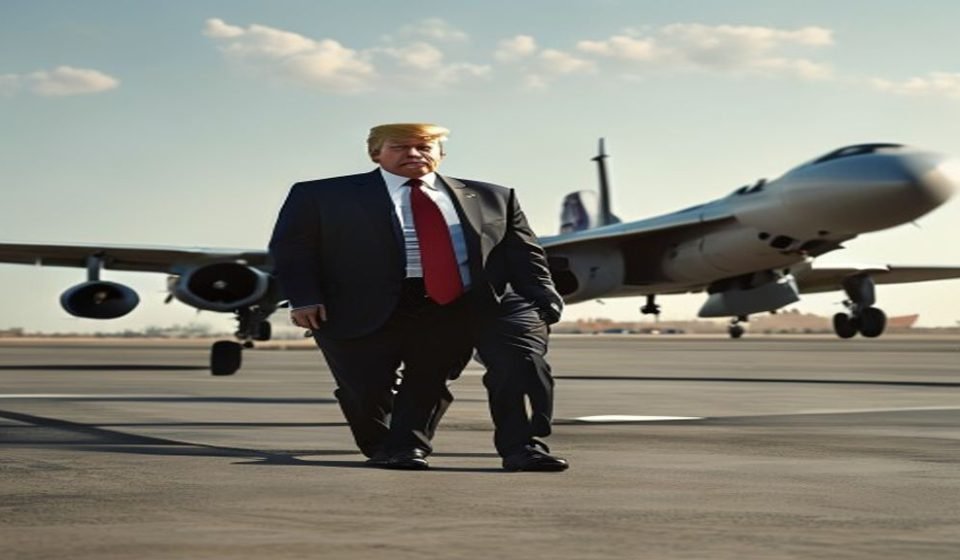
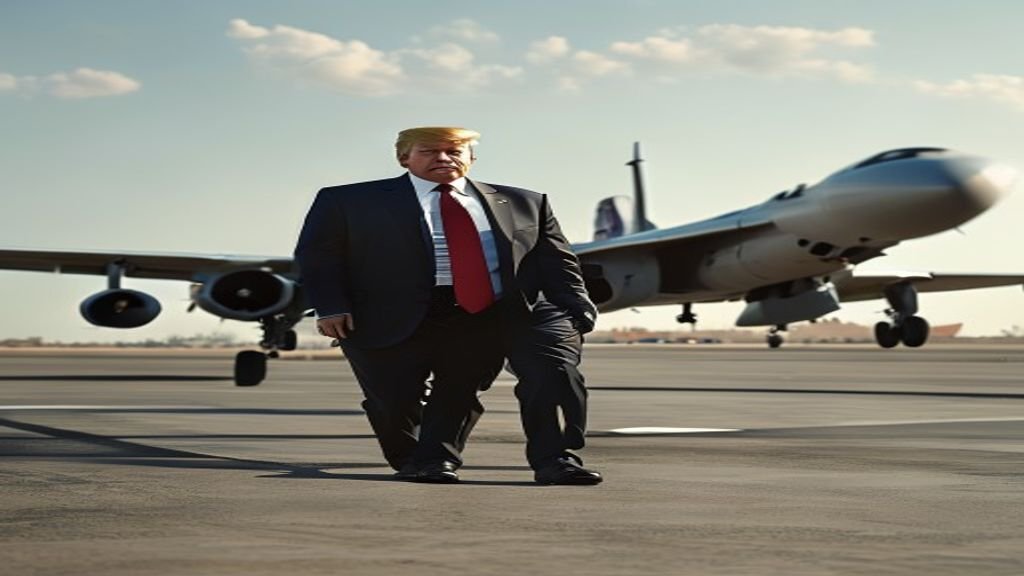
Former President Donald Trump reportedly made a significant change to his travel arrangements during a NATO Summit in Turkey, opting to switch from a Qatar gifted private jet to the more secure Air Force One. This extraordinary measure was taken in response to a credible missile threat attributed to Iranian proxies, according to reports from media outlets such as Moneycontrol.com.
The unexpected plane swap underscores the persistent geopolitical tensions in the region and the critical importance of presidential security, even for former leaders. This incident highlights the robust security protocols that remain in place for individuals like Donald Trump and the swift, decisive actions taken when potential threats emerge.
Background
The incident involving former President Donald Trump’s change of aircraft unfolds against a complex backdrop of regional rivalries and security concerns. Trump was reportedly attending a NATO Summit in Turkey, an event that naturally draws significant international attention and, consequently, potential security risks. During such high level gatherings, the presence of prominent figures like a former American president necessitates heightened vigilance from security agencies.
The decision to switch planes from a Qatar gifted private jet to Air Force One was not a routine logistical adjustment. Air Force One is not merely a mode of transport; it is a highly secure, mobile command center equipped with advanced defensive systems and communication capabilities, designed to ensure the safety and operational continuity of the American presidency. Its deployment for a former president, especially in response to a specific threat, signals the gravity of the intelligence received.
Reports suggest that the credible missile threat originated from Iranian proxies. These are often non state actors or militant groups in the Middle East that receive varying degrees of support, training, and arms from Iran. Their activities frequently contribute to regional instability and pose significant challenges to international security, particularly in areas where US interests or personnel are present. The involvement of such proxies indicates a broader pattern of geopolitical maneuvering and potential asymmetric warfare tactics that complicate security assessments for international events.
Qatar, a nation with significant diplomatic and economic ties across the globe, has been known to facilitate various forms of international engagement. The Qatar gifted jet likely represented a private travel arrangement for Trump, distinct from his official capacity as president, which would always necessitate Air Force One. The swift activation of Air Force One in Turkey, amidst the NATO Summit, illustrates an urgent reevaluation of security needs triggered by the intelligence pertaining to the missile threat.
Timeline of Events
The sequence of events leading to the reported plane swap unfolded with critical urgency, according to accounts. Initially, former President Donald Trump was utilizing a Qatar gifted private jet for his travel, possibly reflecting arrangements for private capacity attendance at the NATO Summit in Turkey.
Reports indicate that a credible missile threat subsequently emerged. This threat was specifically attributed to Iranian proxies, raising alarms within security and intelligence circles regarding Trump’s safety while in the region.
Following the emergence of this significant security assessment, a rushed effort was reportedly initiated to secure Air Force One for the former president. This involved coordinating the complex logistics of bringing the specialized aircraft to Trump’s location in Turkey.
Ultimately, during the NATO Summit in Turkey, former President Donald Trump switched from the Qatar gifted jet to Air Force One. This pivotal moment, signifying the highest level of security response, was first reported by media outlets such as Moneycontrol.com on 2026-07-25 17:33:48.
Why It Matters
The reported incident involving former President Donald Trump’s switch to Air Force One over an Iranian missile threat carries profound implications across several domains. Firstly, it underscores the persistent and evolving nature of geopolitical threats, particularly from state sponsored or affiliated non state actors. The fact that a former American president required such high level security intervention highlights the reach and potential intent of groups like Iranian proxies to target high profile individuals or events, even within the confines of an international summit.
Secondly, this event powerfully reinforces the paramount importance of presidential security, irrespective of whether the individual holds current office. The deployment of Air Force One, a symbol of American power and a mobile fortress, for a former president demonstrates the enduring commitment to protecting past commanders in chief. It suggests that intelligence agencies retain a responsibility to assess and mitigate risks to figures who might still be perceived as targets or symbols by adversarial entities.
Thirdly, the incident casts a spotlight on Iran US relations, which remain fraught with tension. Even after a change in US administration, the underlying animosities and proxy conflicts persist. A credible missile threat, if indeed accurate, suggests a willingness by Iranian aligned groups to potentially escalate tensions, or at least to project a capability that demands serious attention from international security forces. Such actions risk destabilizing an already volatile region and could prompt further defensive or retaliatory measures.
Finally, the location of the event, a NATO Summit in Turkey, adds another layer of significance. International gatherings of this nature are meant to project unity and stability. A security incident involving a prominent figure at such a venue can inadvertently expose vulnerabilities, potentially disrupt diplomatic proceedings, and necessitate an extensive review of security protocols for future high level meetings. It serves as a stark reminder that global cooperation on security issues remains crucial, even for the most protected individuals.
What Could Happen Next
The reported incident, while specific to a past event, carries potential reverberations that could unfold in the future. Intelligence agencies will undoubtedly conduct thorough reviews of the threat intelligence that prompted the plane switch. This includes assessing the precise nature of the missile threat, the capabilities of the Iranian proxies involved, and any potential intelligence gaps that may have existed. Such assessments are critical for enhancing future presidential and high level dignitary security protocols, both domestically and internationally.
From a geopolitical standpoint, the incident could prompt increased diplomatic scrutiny of Iran’s regional activities and its support for various proxy groups. While this specific event involved a former president, it reinforces existing concerns about Iran’s potential to destabilize the Middle East. International bodies and individual nations might renew calls for deescalation or engage in stronger rhetorical condemnations, depending on the specifics revealed through ongoing intelligence analysis.
Furthermore, security arrangements for future international summits and high profile gatherings will likely be reevaluated. Organizers and host nations may implement more stringent security measures, particularly when American dignitaries, past or present, are in attendance. This could involve more rigorous airspace monitoring, enhanced ground security, and greater intelligence sharing among participating nations.
Public discourse surrounding presidential security could also see renewed focus. The narrative of a former president requiring the unique protection of Air Force One due to a foreign threat underscores the enduring risks faced by American leaders. This might lead to discussions about the scope of security provisions for former presidents and the resources allocated to protect them from sophisticated state or proxy sponsored threats.
Frequently Asked Questions
Why was Donald Trump using a Qatar gifted jet in the first place?
Donald Trump was reportedly using a private jet gifted by Qatar for his travel to the NATO Summit in Turkey. This arrangement likely pertains to his private travel or capacity as a former president, which allows for alternative travel methods compared to the strictly government controlled Air Force One used during an active presidency.
What makes Air Force One so significant for security?
Air Force One is not just an aircraft; it is a highly fortified, mobile command center. It is equipped with advanced communication systems, defensive countermeasures against missile attacks, and extensive security features designed to protect the President of the United States and allow them to govern from anywhere in the world, even under threat.
Who are Iranian proxies and what is their capability?
Iranian proxies are militant groups or political organizations in the Middle East that receive various forms of support, funding, training, and arms from Iran. These groups can operate across the region, possessing capabilities that range from conventional weaponry to rockets and drones, enabling them to conduct asymmetric attacks or exert regional influence, often posing threats to US interests and allies.