
 In 30 Seconds



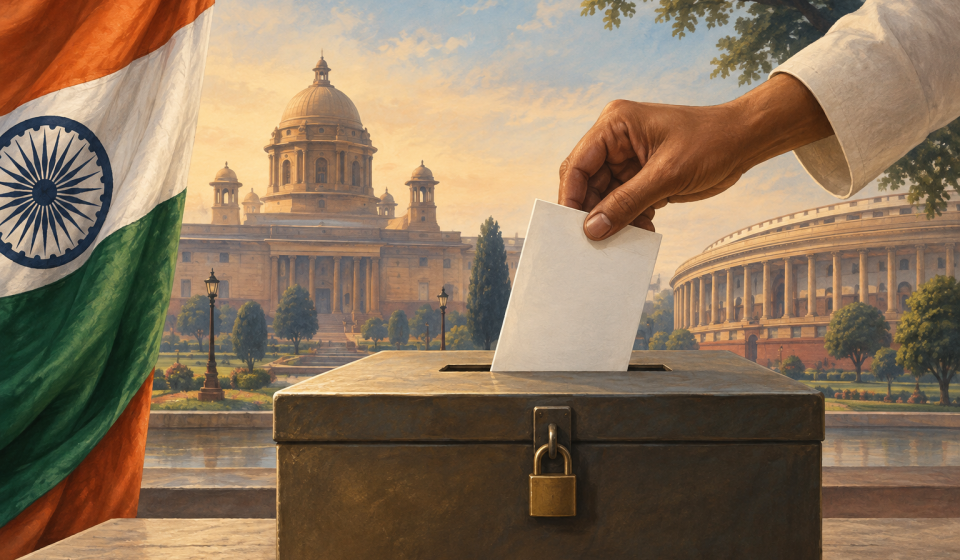
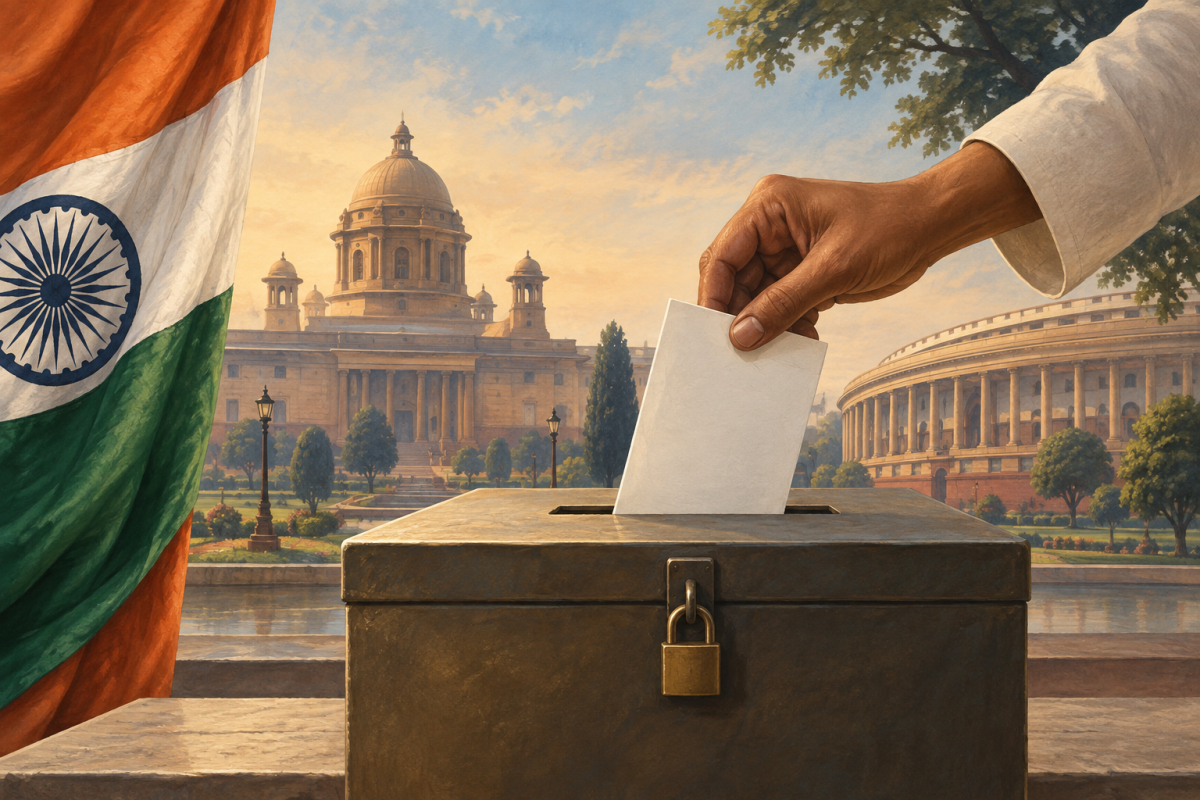
For three consecutive days, thousands of people have taken to the streets of Mumbai and New Delhi demanding that Chief Election Commissioner Gyanesh Kumar step down. The protests, which began on Friday, October 2, have brought together young activists and opposition leaders in a rare show of shared purpose. At the centre of the anger is a revision of electoral rolls that protesters say has removed millions of eligible voters.
What the protesters allege
As Al Jazeera reported, the demonstrators claim that the Special Intensive Revision, usually shortened to SIR, has disenfranchised large numbers of citizens in a way that could benefit the ruling BJP. Both the Election Commission of India and the BJP deny that charge.
The Election Commission says the exercise is meant to remove duplicate, deceased or ineligible entries and to protect the integrity of the rolls. On Friday it also directed its officials to register eligible voters who were inadvertently left out, a step critics describe as an admission that mistakes occurred and supporters describe as proof that the system self corrects.
Who is on the streets
The mobilisation is unusually broad. In Mumbai, opposition leaders Raj Thackeray and Uddhav Thackeray led a march of thousands who waved the national flag and called for Kumar to go. In the capital, the Gen Z driven Cockroach Janta Party has been active, and its chief Abhijeet Dipke posted that Mumbai was out on the streets again for free and fair elections. The CJP planned a Jail Bharo protest at Shivaji Park in Dadar on October 2, even after Mumbai Police refused permission.
In Delhi, police have used detentions to stop crowds from forming. According to Reuters, dozens were taken away by bus on consecutive days, and some were later released while cases were registered against others for violating orders banning mass gatherings in central Delhi.
What comes next
Two big dates are approaching. An alliance of opposition parties plans a march to the Election Commission office on Tuesday, October 6, under the banner of saving democracy. The CJP has announced a major rally in New Delhi on October 10. Kumar has not publicly responded to the calls for his resignation, and the protests look set to continue.
The legal and constitutional picture
The Chief Election Commissioner is a constitutional authority with strong protections intended to keep the office independent from the government of the day. Removal is a difficult process by design, so demands for resignation are political appeals rather than legal mechanisms. The more consequential battles may be fought in courts and in the way the Election Commission handles objections and claims from voters who say they were wrongly deleted.
What voters can do right now
Regardless of where one stands politically, the practical step is to verify your own entry. Check the electoral roll for your constituency on the Election Commission’s voter services portal, confirm that your details are correct and, if you find an error, file a claim or objection within the stated window. Rolls are only as accurate as the people who check them.
Why the stakes are high
Few institutions matter more to a democracy than the voter list, because it decides who gets to participate at all. Even a perception that the list has been manipulated can damage trust, whether or not the allegation is proved. That is why transparent data on deletions, independent audits and a clear appeals process are not optional extras. They are what make a result acceptable to the side that loses.
If you are new to the movement driving the Delhi rally, read our explainer on the Cockroach Janta Party. The Indic Journal will report on the October 6 march and the October 10 rally as events unfold.