 In 30 Seconds




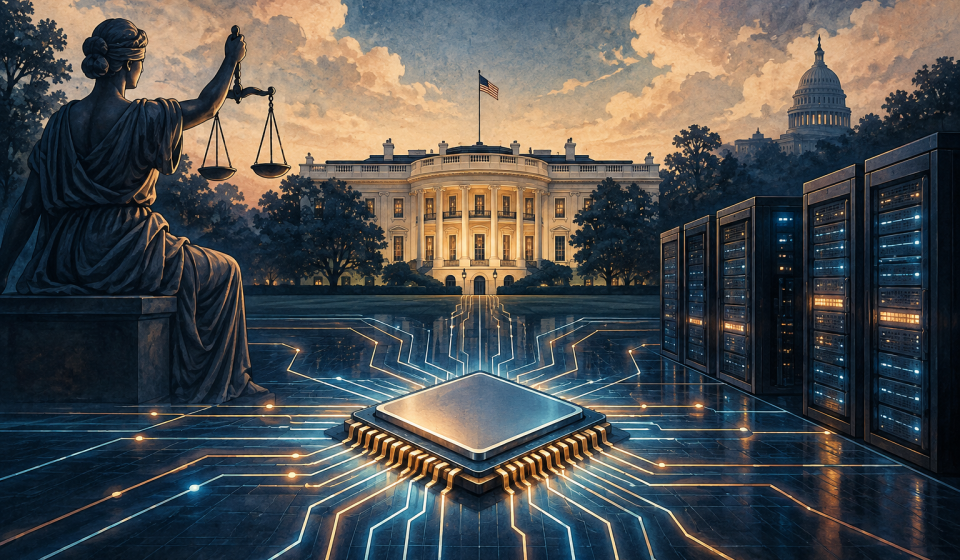
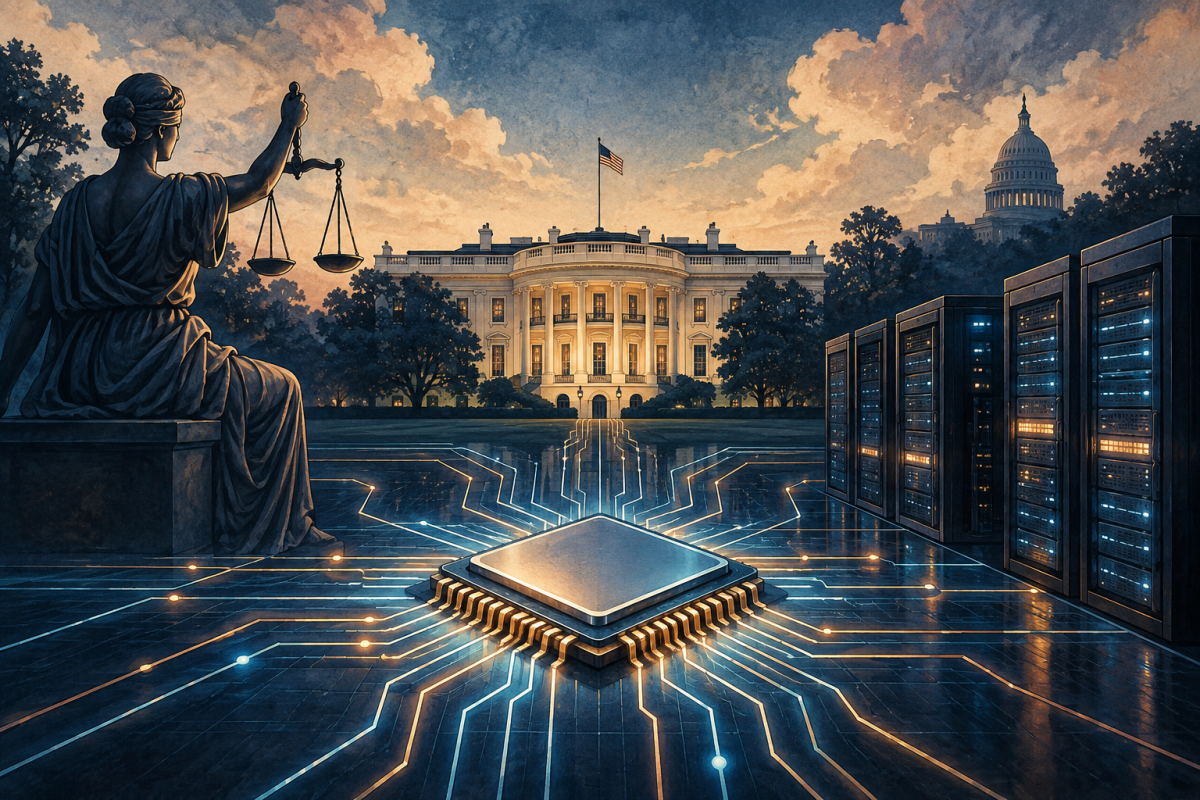
President Donald Trump has announced the formation of a federal body he calls the Super Intelligence Force, a task force meant to coordinate how the American government deals with advanced artificial intelligence. The announcement came on Sunday, October 4, in a post on Truth Social, and it follows a busy week of White House meetings with technology executives.
What was announced
In his post, Trump said the task force will coordinate the federal government’s efforts to ensure that America continues to lead the world in super intelligence, a technology he said many consider bigger than the Industrial Revolution and the internet. According to TechCrunch, the group will be led by national intelligence director Jay Clayton and other members of the administration, and it reportedly has 120 days to produce a report on the risks and opportunities of AI.
As ABC News notes, the force will coordinate the government’s engagement with consumers, public interest groups, religious organisations, critical infrastructure providers and super intelligence companies. The White House had not immediately provided further detail on the task force’s objectives when ABC asked.
The path to this point
The new body did not appear out of nowhere. Last month Trump said he would create an AI task force amid rising public concern about the technology. Last week he met top technology executives at the White House on September 29 and said he and six companies had signed what he called a constitution, setting out standards for how they will police their own technology. TechCrunch describes the pledge as nonbinding and notes that it included a noticeable typo.
The president also signed an executive order that seeks to rebrand AI as super intelligence, a term the tech executives at the White House appear to have embraced, with some stumbles.
A mixed message on safety
There is an obvious tension in the administration’s position. Trump has largely dismissed the AI safety debate as a hoax pushed by his political opponents, yet he is now creating a body to study risks. TechCrunch reports that he also promised an AI czar, with the quip that only high IQ individuals need apply. Supporters say the move shows pragmatism: the government can pursue American leadership while still asking hard questions. Critics say a nonbinding pledge and a reporting deadline are not the same as enforceable rules.
What to watch
- The 120 day report. It will show whether the force leans towards promotion of the industry or towards restrictions.
- Membership. The inclusion of public interest groups and religious organisations in the engagement list is unusual and could widen the debate.
- Legal force. So far the actions are executive orders and voluntary pledges. Congress has not passed comprehensive AI legislation.
- Energy. The data centers that power AI are a live political issue, as seen in the midterm campaign described in our report on the Ohio rally.
Why India should care
India is one of the largest markets for AI services and a growing hub for AI engineering talent. American rules on chips, model access and data will affect Indian start ups, IT services firms and researchers. A task force that prioritises dominance could mean tighter control of advanced technology exports, while one that prizes partnerships could open doors. India, which hosts a large community of developers and is building its own AI mission, has every reason to follow the details.
The coming months will show whether the Super Intelligence Force becomes a serious policy engine or remains a branding exercise. For now, the name is bold, the mandate is broad and the substance is yet to arrive.