 In 30 Seconds




India’s ambitious clean energy transition faces a significant hurdle as the looming El Nino phenomenon is projected to severely impact the nation’s energy system, according to a recent report by the Centre for Research on Energy and Clean Air CREA. This critical assessment, highlighted by Moneycontrol.com, suggests that the climatic event could compel India to increase its reliance on coal generated power, potentially delaying its progression towards cleaner energy sources.
The CREA report underscores a concerning scenario where the environmental shifts associated with El Nino may necessitate a greater dependence on fossil fuels to meet the country’s burgeoning energy demands. Such a development would not only challenge India’s commitments to a sustainable future but also present considerable implications for its economic and environmental landscape.
Background
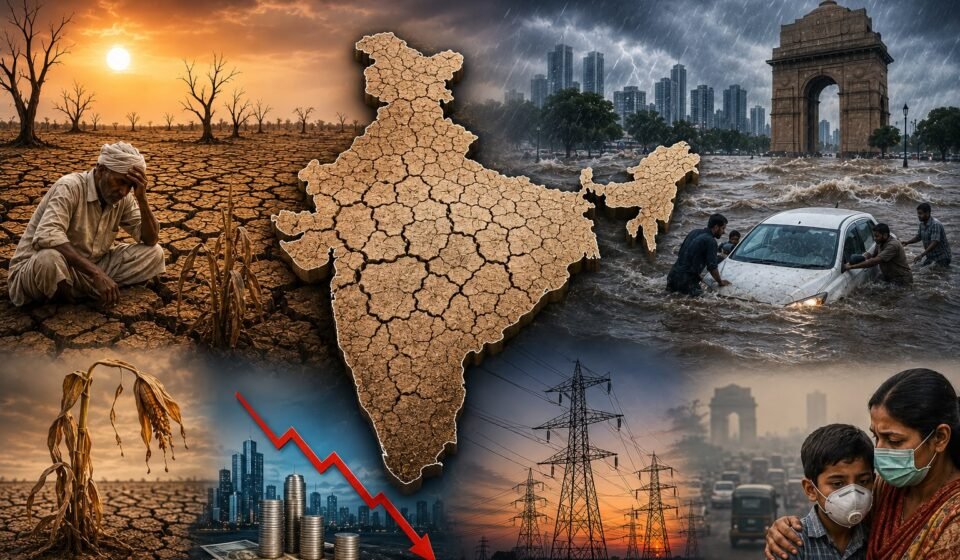
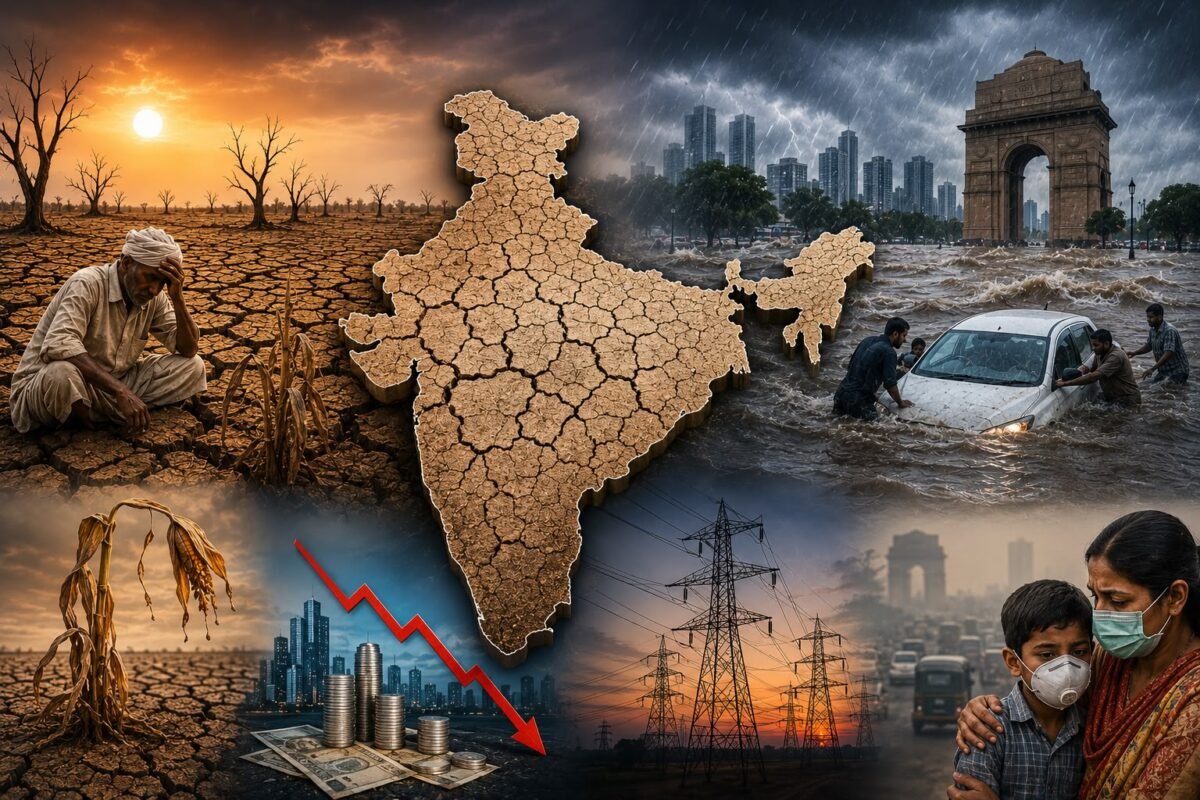
El Nino, a climate pattern characterized by the unusual warming of surface waters in the eastern Pacific Ocean, profoundly influences weather systems across the globe. For India, this typically translates into a weaker monsoon season and higher temperatures, conditions that directly impinge upon the country’s energy generation capabilities. A deficient monsoon can significantly reduce hydropower output, a crucial component of India’s energy mix, while prolonged heatwaves escalate the demand for electricity, primarily for cooling purposes.
India’s energy system, despite its rapid strides in renewable energy deployment, still heavily relies on coal. While the nation has committed to expanding its renewable capacity, particularly in solar and wind power, vulnerabilities remain. The intermittent nature of some renewable sources means that conventional thermal power often provides grid stability. Should El Nino lead to diminished renewable energy output and increased demand, the immediate and most readily available recourse for the country would be to ramp up coal fired power generation, thereby intensifying its carbon footprint and diverting resources from its clean energy objectives.
Timeline of Events
2026-07-06: The story first emerges, with a CREA report indicating that the El Nino phenomenon is projected to severely impact India’s energy system. This assessment suggests a potential increase in the nation’s reliance on coal power and a significant hindrance to its ongoing clean energy transition, as reported by Moneycontrol.com.
Why It Matters
The potential impact of El Nino on India’s energy system carries far reaching consequences across environmental, economic, and social spheres. Environmentally, a resurgence in coal consumption would directly contravene India’s climate action goals, contributing to higher greenhouse gas emissions and exacerbating global warming. This move away from cleaner sources would undermine the significant investments and policy initiatives aimed at decarbonizing the economy.
Economically, increased reliance on coal could lead to elevated energy costs for industries and consumers, potentially dampening economic growth. Volatile international coal prices or increased domestic extraction could strain national budgets and increase import bills. Furthermore, diverting investment towards fossil fuel infrastructure, even temporarily, could slow the pace of innovation and growth within the renewable energy sector, affecting job creation and technological advancement.
Socially, a higher dependence on coal often correlates with increased air pollution, posing severe public health risks in densely populated areas. Respiratory illnesses and other health complications can surge, leading to higher healthcare burdens and reduced quality of life. The challenges of energy security also come to the fore, as extreme weather events expose vulnerabilities in energy supply, potentially leading to power shortages that disrupt daily life and essential services.
What Could Happen Next
In response to the potential challenges posed by El Nino, India’s energy sector may witness a series of strategic adjustments. The government could implement contingency plans to bolster coal supplies, both domestically and through imports, ensuring uninterrupted power generation during periods of high demand and reduced renewable output. This might involve fast tracking environmental clearances for coal mines or securing long term supply agreements.
Simultaneously, there could be an accelerated push towards developing more resilient energy infrastructure, including investments in battery storage solutions for renewable energy and upgrading the transmission grid to handle fluctuating power sources. Policy makers might also explore demand side management strategies, encouraging energy conservation measures during peak hours to alleviate strain on the grid. International collaborations could intensify, seeking expertise and financial support to navigate the complexities of climate resilient energy transitions.
However, the immediate aftermath of a severe El Nino event could see a temporary slowdown in the pace of clean energy adoption, as the imperative to meet basic energy demand might overshadow long term sustainability goals. This would prompt a critical re evaluation of India’s energy security framework, emphasizing the need for a diversified and robust energy portfolio that can withstand unforeseen climatic disruptions without compromising environmental commitments.
Frequently Asked Questions
What is El Nino and how does it affect India?
El Nino refers to a periodic warming of the ocean surface in the central and eastern tropical Pacific. For India, this phenomenon is often associated with a weaker than average monsoon season, leading to reduced rainfall and higher temperatures. These conditions directly impact energy generation by decreasing water levels for hydropower and increasing electricity demand for cooling.
Why is India’s energy system particularly vulnerable?
India’s energy system is vulnerable due to its significant reliance on climate dependent sources like hydropower and solar, coupled with a large and rapidly growing energy demand. Reduced rainfall from El Nino directly impacts hydro generation, while increased temperatures boost electricity consumption. The existing infrastructure, still heavily reliant on coal, becomes the default option to bridge any supply deficits, despite the nation’s clean energy goals.
What are the implications for India’s clean energy goals?
The primary implication is a potential increase in coal consumption to compensate for energy shortfalls caused by El Nino, thereby raising carbon emissions. This increased reliance on fossil fuels would make it more challenging for India to meet its ambitious renewable energy targets and climate commitments, effectively slowing down its transition to a cleaner, more sustainable energy future.