
 In 30 Seconds



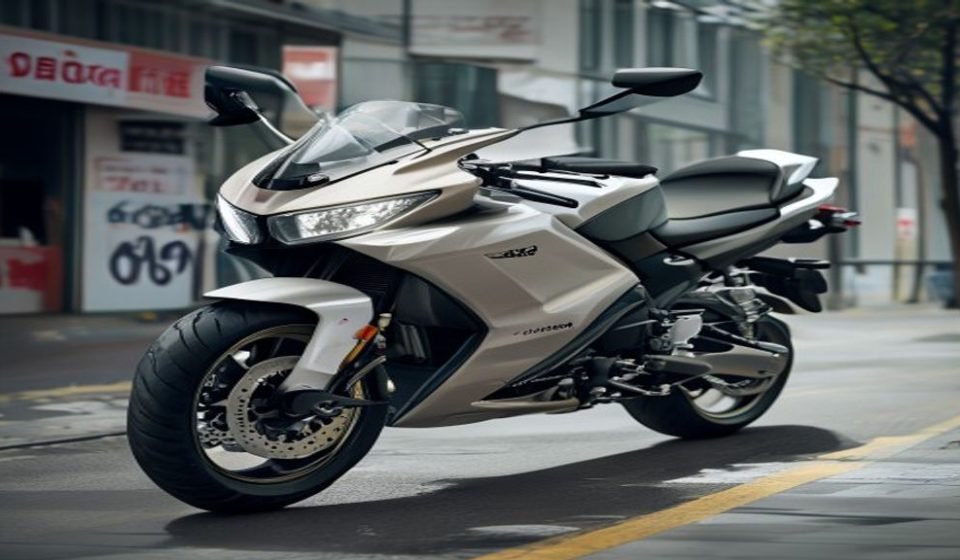
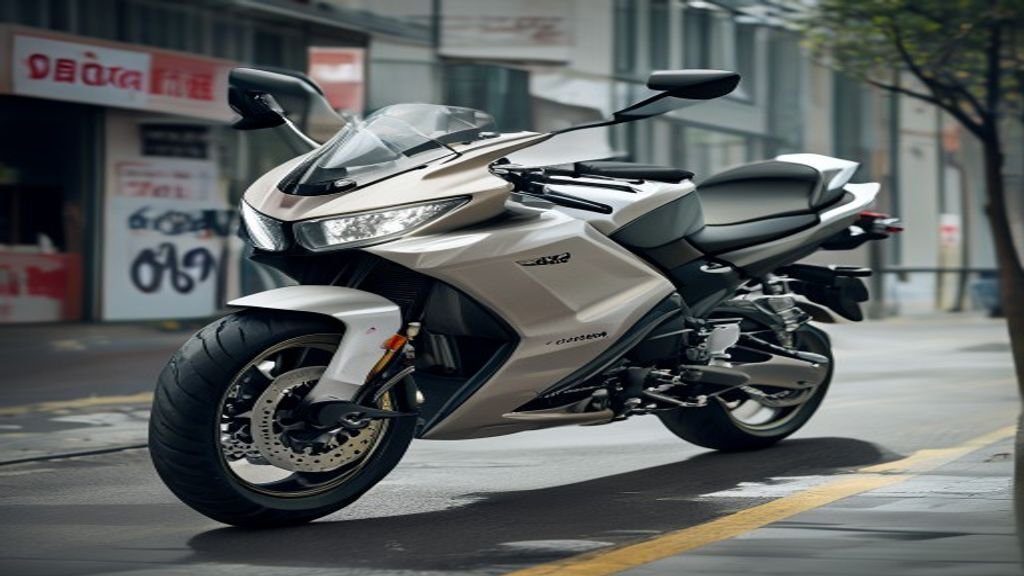
Honda, a prominent player in the global automotive landscape, is poised to dramatically expand its product offerings within the vibrant Indian market. This strategic move, reported by publications like Autopunditz, signifies a concerted effort to cater to diverse consumer preferences and capture new segments. Leading this ambitious portfolio enhancement are several keenly anticipated models including the ADV160 maxi scooter, the versatile CB500, the classic Rebel 300 cruiser, the rugged XR300 Rally, and the pioneering QC3 electric vehicle. Simultaneously, the popular CB350 range, a cornerstone of Honda’s Indian lineup, is receiving a refreshing update with new color schemes, ensuring its continued appeal to a loyal customer base.
This comprehensive rollout underscores Honda’s commitment to India, a market renowned for its scale and dynamic growth in the two wheel sector. The introduction of such a wide array of vehicles, from adventure focused motorcycles to urban electric solutions, suggests a multifaceted approach designed to solidify the company’s position across various categories. Industry observers note that such an expansion is crucial for staying competitive and relevant in an evolving market where consumer demands are becoming increasingly sophisticated and segmented.
Background
India stands as one of the world’s largest and most competitive two wheel markets, a landscape where millions rely on motorcycles and scooters for daily commuting and leisure. For decades, Honda has maintained a significant presence, establishing itself as a trusted brand synonymous with reliability and engineering prowess. The company has navigated varying market trends, from the dominance of basic commuter motorcycles to the rising demand for two wheelers focused on lifestyle and premium experiences. Its existing portfolio in India spans various categories, with models like the CB350 series having carved out a niche for themselves among enthusiasts seeking a blend of classic aesthetics and modern performance.
The Indian consumer base is characterized by its diversity, with preferences varying significantly across regions and demographics. This necessitates a broad and adaptable product strategy from major manufacturers. The growing affluence in urban centers, coupled with an increasing appetite for global automotive trends, has opened avenues for segments like maxi scooters, mid capacity adventure motorcycles, and cruiser bikes. Furthermore, the global shift towards sustainable mobility solutions has made the electric vehicle segment an imperative for any automotive company thinking ahead. Honda’s latest expansion is widely seen as a direct response to these evolving market dynamics, aiming to fill strategic gaps in its current offerings and proactively address future demand across these critical segments.
Timeline of Events
The news of Honda’s substantial portfolio expansion in India first came to light on July 25, 2026, marking a pivotal moment for the company’s strategic direction in the subcontinent. Reports emerging on this date indicated a clear intention by Honda to introduce a diverse range of new models, signaling an aggressive push to reinforce its market presence. This initial reporting unveiled the planned additions of the ADV160, CB500, Rebel 300, XR300 Rally, and the innovative QC3 EV, alongside the announced refresh for the popular CB350 range. The dissemination of this information set the stage for anticipated developments in the Indian two wheel sector, immediately capturing the attention of industry analysts and prospective buyers alike.
Why It Matters
Honda’s expansive product strategy for India holds profound implications for both the company and the broader two wheel market. For Honda, this move is critical for sustaining and accelerating its growth trajectory in a market that remains central to its global ambitions. By introducing a maxi scooter like the ADV160, Honda directly addresses the burgeoning demand for premium, comfortable urban mobility solutions that offer more than just basic commuting. The CB500 and XR300 Rally entries position Honda strongly in the mid capacity adventure and performance segments, catering to a growing demographic of riders seeking more thrilling and versatile riding experiences. The Rebel 300, a cruiser, will likely attract riders who prioritize style and a relaxed riding posture, diversifying Honda’s appeal beyond its existing offerings with classic styling.
Perhaps most significantly, the launch of the QC3 EV marks Honda’s concrete foray into the rapidly evolving electric two wheel space in India. This is not merely a product launch but a statement of intent, signaling Honda’s commitment to future proofing its business in alignment with global environmental mandates and domestic policy pushes towards electrification. For the Indian two wheel market, this influx of new models is a boon for consumers, offering a wider array of choices across multiple categories and price points. It intensifies competition, potentially spurring innovation and competitive pricing from other manufacturers. This expansion is expected to energize the premium and lifestyle segments, further maturing the market beyond its traditional commuter focus. Ultimately, Honda’s comprehensive strategy could redefine various sub segments, pushing the boundaries of what is available to the discerning Indian rider.
What Could Happen Next
Following this significant announcement, the industry will keenly await further details regarding the exact launch timelines, pricing structures, and localized manufacturing plans for these new Honda models. The success of this portfolio expansion will hinge considerably on Honda’s ability to competitively price these offerings while maintaining its renowned quality standards. Market analysts will monitor consumer reception, particularly for the ADV160 maxi scooter and the QC3 EV, as these represent newer or rapidly growing segments in India.
Competitors in the premium motorcycle and scooter segments are likely to respond with their own strategic adjustments, potentially accelerating their product development cycles or introducing new variants to counter Honda’s aggressive push. The electric vehicle segment, still in its nascent stages but experiencing rapid growth, will see increased competition with the QC3 EV’s entry, which could catalyze further innovation in battery technology, charging infrastructure, and overall EV performance across the industry. Over the medium term, if these new models gain traction, Honda could significantly enhance its market share in the premium and lifestyle two wheel categories, potentially becoming a dominant force beyond its traditional strongholds. Furthermore, a successful integration of the QC3 EV could pave the way for a broader electric mobility strategy from Honda in India, including expansion of its EV product line and charging network.
Frequently Asked Questions
What new models is Honda introducing in India?
Honda is set to launch a diverse range of new models in India, including the ADV160 maxi scooter, the CB500 motorcycle, the Rebel 300 cruiser, the XR300 Rally adventure bike, and the QC3 electric vehicle. Additionally, the existing CB350 range will receive updated color schemes.
What is the significance of the QC3 EV launch?
The introduction of the QC3 EV marks Honda’s official and significant entry into the electric two wheel market in India. This move is crucial for the company to address the increasing demand for sustainable mobility solutions and align with global and domestic shifts towards vehicle electrification, potentially setting the stage for future EV developments.
How will this expansion impact the Indian two wheel market?
Honda’s portfolio expansion is expected to intensify competition across various segments, particularly in the premium, adventure, cruiser, and electric vehicle categories. It will provide Indian consumers with a wider selection of modern and diverse two wheelers, potentially driving innovation, competitive pricing, and accelerating the overall growth and maturity of the market.