
 In 30 Seconds




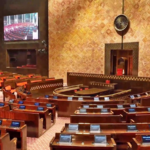
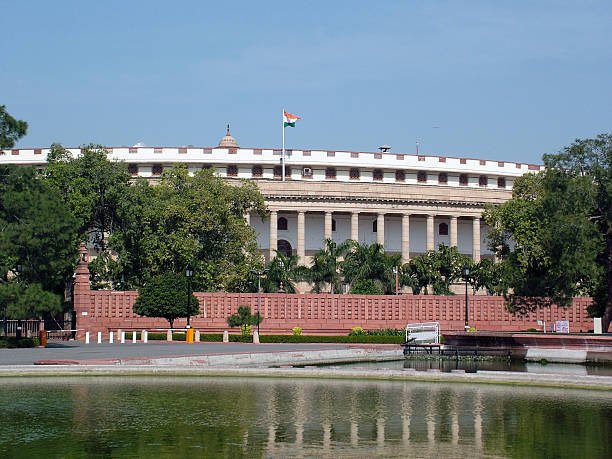
Understanding how Parliament works in India means understanding the relationship between its two houses, the Lok Sabha and the Rajya Sabha, and how legislation, budgets and government accountability all flow through this single bicameral structure. While the broad strokes are taught in school civics classes, the practical mechanics of how a bill actually becomes law, or how a government can fall, are less commonly understood despite shaping nearly every major political headline in the country.
The Three Sessions of Parliament
Parliament does not sit continuously throughout the year. Instead, it convenes in three primary sessions, the Budget Session running roughly from late January through April, the Monsoon Session typically held between July and August, and the Winter Session usually scheduled for late November through December. The President of India formally summons each session, and the gap between two sessions cannot constitutionally exceed six months, ensuring Parliament meets at regular intervals rather than at the sole discretion of the government.
The Budget Session carries particular significance since it is during this period that the Union Budget is presented and debated, alongside the President’s address to a joint sitting of both houses at the start of the session, which outlines the government’s policy priorities for the year ahead.
How a Bill Becomes Law
The legislative process begins when a bill is introduced in either house of Parliament, with the notable exception of Money Bills, which must originate exclusively in the Lok Sabha. A bill typically passes through several distinct readings. The first reading involves the introduction of the bill and publication of its text. The second reading is where the substantive debate occurs, often including detailed scrutiny by a Parliamentary Standing Committee that examines the bill clause by clause and may recommend amendments. The third reading is the final vote on the bill as it stands, including any accepted amendments.
Once a bill passes one house, it moves to the other house, where the same process repeats. Only after both houses have passed an identical version of the bill does it proceed to the President for assent, which formally transforms it into law. The President can either grant assent, withhold assent, or in the case of non Money Bills, return the bill for reconsideration, though if Parliament passes it again, the President is constitutionally bound to give assent the second time.
What Happens When the Two Houses Disagree
Parliament has a specific mechanism for resolving disagreements between the Lok Sabha and Rajya Sabha on ordinary legislation. If one house rejects a bill passed by the other, or if six months pass without action, or if the houses cannot agree on amendments, a deadlock is considered to exist. The Constitution provides for a joint sitting of both houses in such cases, presided over by the Speaker of the Lok Sabha, with the matter decided by simple majority of members present and voting from both houses combined. Because the Lok Sabha has more than double the membership of the Rajya Sabha, this mechanism in practice tends to favour whichever side the Lok Sabha supports.
This joint sitting mechanism does not apply to Constitutional Amendment Bills, which require a more demanding process, including a special majority in each house separately and, for certain amendments affecting the federal structure, ratification by at least half of India’s state legislatures.
Question Hour, Zero Hour and Holding Government Accountable
Beyond lawmaking, Parliament functions as the primary forum for holding the government accountable on a daily basis. Question Hour, typically the first hour of a sitting day, allows members to ask ministers direct questions about government policy and administration, with both oral and written responses required. Zero Hour, an informal practice that has become a fixture of Indian parliamentary procedure, gives members an opportunity to raise urgent matters of public importance without prior notice, immediately following Question Hour.
Parliament also exercises financial control over the executive through the budget process, since no money can be withdrawn from the Consolidated Fund of India without parliamentary approval, giving Parliament ultimate authority over government spending even though the executive proposes the budget.
Why Parliamentary Mechanics Matter to Ordinary Citizens
Following Indian politics closely means understanding that most major policy changes do not happen through dramatic single announcements but through this structured, multi stage process of introduction, committee review, debate, and passage through two separate houses. Delays in legislation, fights over Money Bill classification, and disputes over joint sittings are not procedural trivia, they are often the actual mechanism through which India’s most consequential political battles play out. For a closer look at the specific stages a bill goes through, see our companion explainer on how laws are passed in India, and for live session schedules and bill status, the official Digital Sansad portal remains the most authoritative public source.