 In 30 Seconds




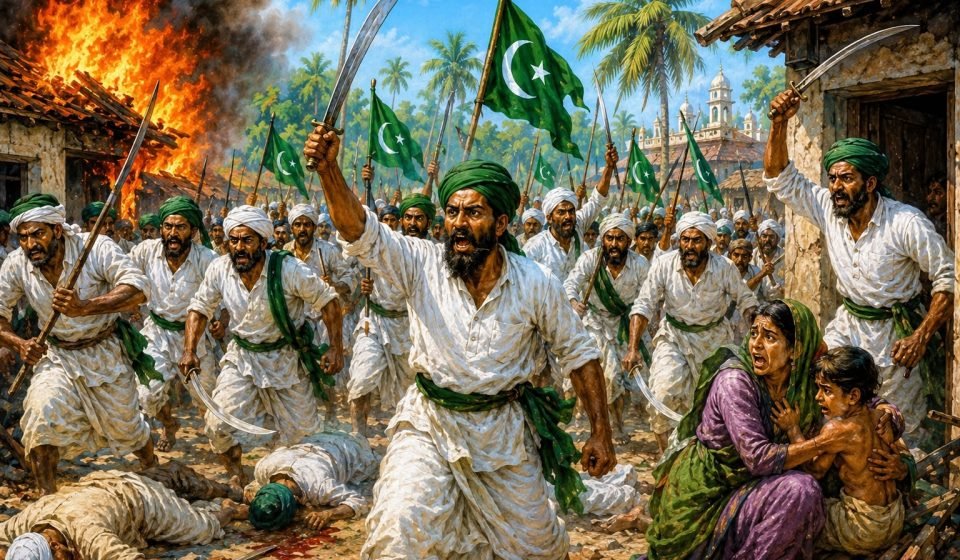
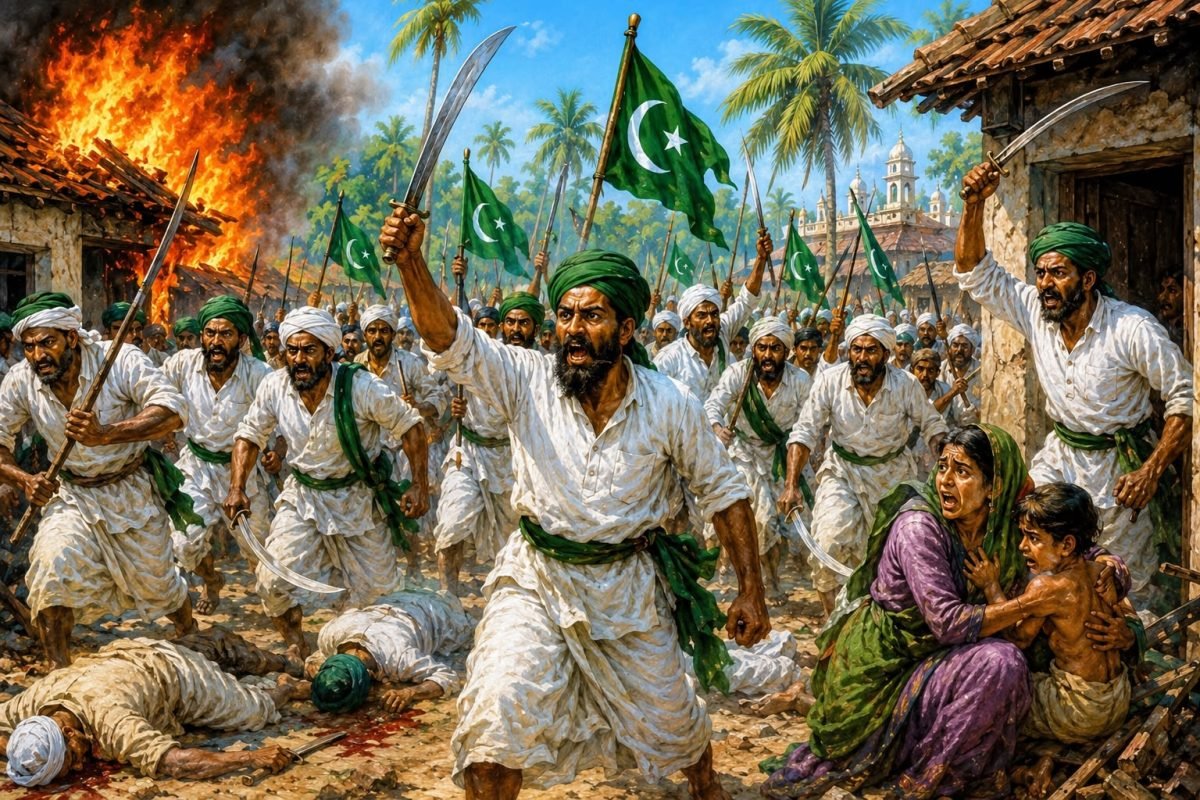
Of all the storms loosed in the Non Cooperation years, none has proved harder to remember honestly than the rising that swept the Malabar coast in the autumn of 1921. The Moplah rebellion, the revolt of the Mappila Muslim peasantry of south Malabar, was at once the largest armed rising against British authority between 1857 and 1942, an agrarian insurrection generations in the making, and a communal tragedy whose atrocities poisoned Indian politics for decades, and every attempt to reduce it to only one of those three things has produced bad history. A century on, the scholarship’s convergence is on the conjunction, all three at once, in proportions that varied by week and by taluk.
The tinder was agrarian and old. The Mappilas of the interior taluks, Ernad and Valluvanad above all, were overwhelmingly tenants and labourers on land whose secure ownership the British courts of the nineteenth century had settled upon the janmi landlords, largely high caste Hindus, converting older layered rights into rack rents, renewal fees and eviction at will, and the community had answered through that century with dozens of small desperate outbreaks, suicidal attacks by sworn bands that colonial ethnography catalogued as fanaticism and later historians read as the agrarian jacquerie it also was. Upon this old fire the politics of 1920 and 1921 poured new draught, the Khilafat movement organising the taluks as nothing had, Gandhi and Shaukat Ali touring together, tenancy agitation and Khilafat committees fusing in the same village bodies, until the district administration, taking fright, struck first. The raid on the Tirurangadi mosque in August 1921, seeking the Khilafat leader Ali Musaliar and igniting rumours of the mosque’s desecration, brought the countryside out, and the killing began.
For some months the rebels held effective sway over the interior, the British administration collapsing more completely than anywhere since 1857, and Variankunnath Kunjahammed Haji’s proclamation of a Khilafat kingdom gave the rising its government, one that in its first phase punished looters, protected some Hindu neighbours and directed its violence at the state, its records, its treasuries and its collaborators. As the army’s reconquest ground in and leadership fragmented, the rising’s second face showed, and the record of it, documented by contemporary Hindu, Congress and official sources alike, is not deniable, massacres of Hindus, forced conversions, the desecration of temples, and a refugee exodus that emptied the interior of its high caste population, atrocities concentrated in particular taluks and phases and committed by a rebel fraction, but on a scale that seared Kerala’s memory. The state’s own conduct supplied the tragedy’s third register, martial law’s mass executions and burned villages, and the Wagon Tragedy of November 1921, when seventy prisoners were shipped in a closed goods van to Podanur and sixty four were found suffocated at the doors, the rebellion’s dead as a whole reckoned in the thousands upon thousands, with over three hundred rebels judicially executed and tens of thousands transported or imprisoned.
The political inheritance was immediate and immense. Gandhi and the Congress condemned the violence while disputing the government’s fanaticism narrative, the Khilafat alliance took a wound from which it never recovered, and the atrocity reports, amplified and weaponised, fed directly into the shuddhi and sangathan movements, the Arya Samaj’s reconversion campaigns in Malabar, and the riot decade’s spiral, Ambedkar and the Hindu Mahasabha alike citing Malabar for opposite lessons. The one reform the fire actually purchased came quietly, the Malabar Tenancy Act of 1929 conceding at last the security the century’s petitions had begged, the agrarian grievance thus receiving, after the catastrophe, the answer whose earlier denial had made the catastrophe.
Memory has fought over the rising ever since, martyrs’ memorials and the Haji’s legend on one side, the refugees’ chronicle on the other, official India removing rebellion figures from martyr registries within living memory, Kerala’s historians insisting on the whole ledger. The whole ledger is the only honest monument, a peasantry wronged for a century, a rising that began against the state, a descent into communal horror, and a repression that matched the horror, Malabar’s season of fire remembered best by refusing every party’s simplification.
1919 to 1929 - The Gandhian Storm
Part 6 of 10 in this chapter.