 In 30 Seconds




When the Non Cooperation tide receded in 1922 with Gandhi in prison, the movement faced the classic morning after question of every suspended revolution, what to do until the next wave, and the most creative answer came from the two ex princes of the bar who had given the movement everything. Chittaranjan Das and Motilal Nehru proposed that the Congress enter the very legislative councils it had boycotted, not to work the constitution of 1919 but to wreck it from within, non cooperation, in Motilal’s phrase, carried into the enemy’s citadel, and the Swaraj Party they founded made the middle 1920s the age of the parliamentary guerrilla.
The proposal split the movement down its centre. At the Gaya Congress of December 1922, Das, presiding, put council entry to the house and lost to the No Changers, the faithful of the boycott led by Rajagopalachari, Rajendra Prasad and Vallabhbhai Patel, whereupon Das resigned the presidency and, with Motilal, founded the Swaraj Party in January 1923 as a party within the Congress. A year of manoeuvre, with Gandhi still jailed and the movement visibly stagnant, ended in the truce of 1923 at the Delhi special session, the Congress permitting those without conscientious objection to stand, and Gandhi, released in 1924, ratified the arrangement he privately mourned, the pact of 1924 giving the Swarajists the political field while the No Changers kept the constructive program, the division of labour that carried the movement through the decade.
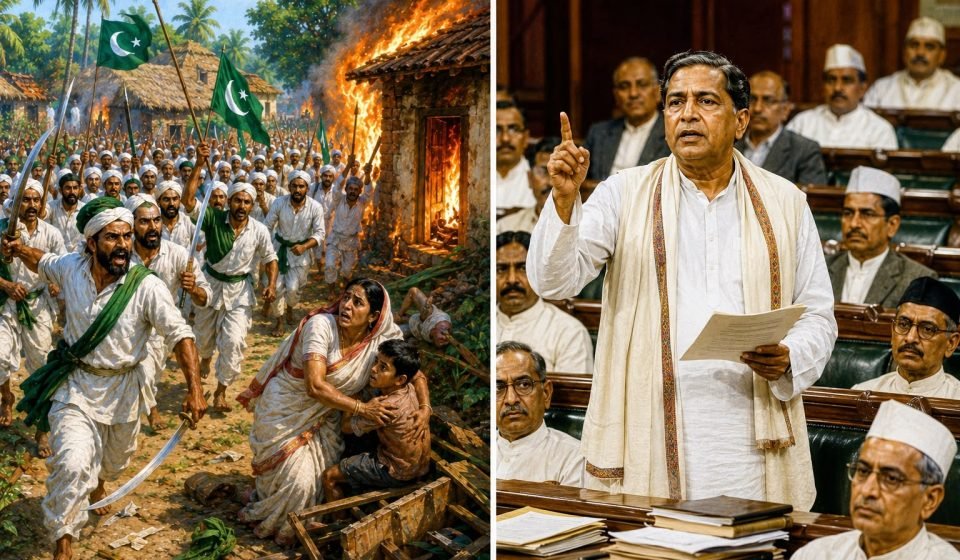
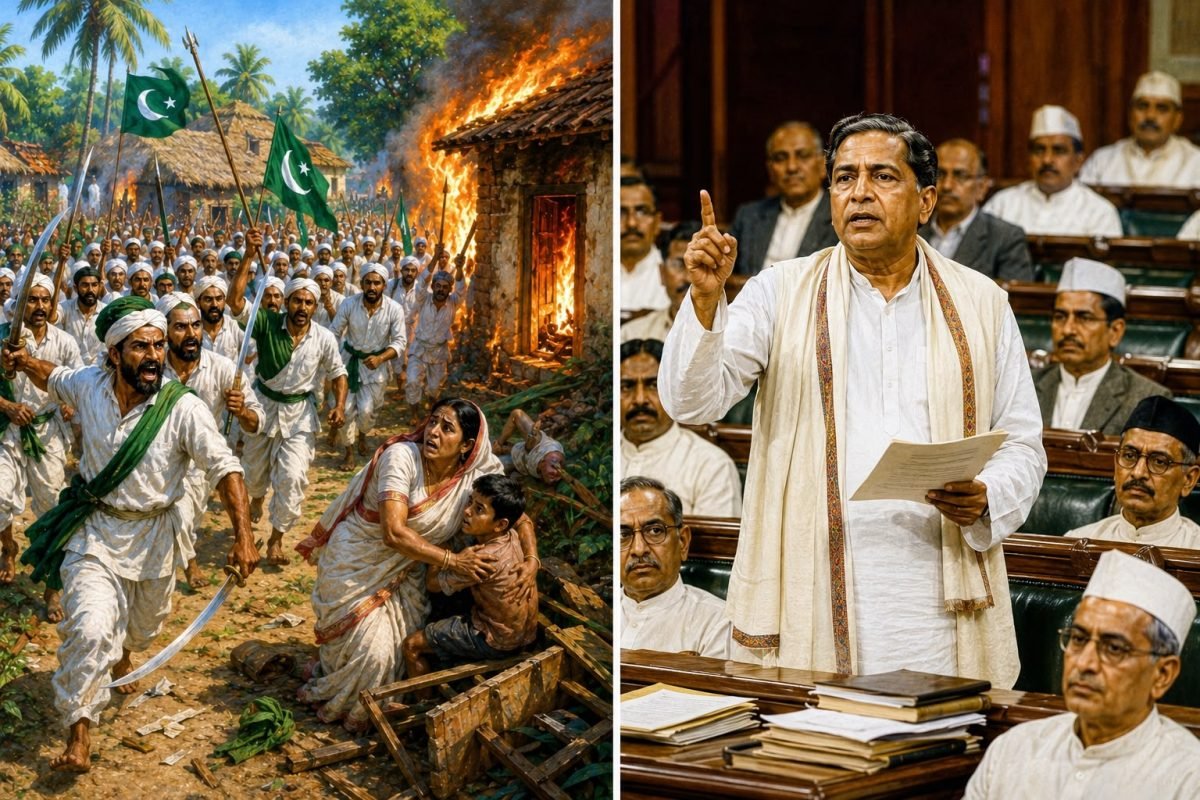
The elections of November 1923 vindicated the gamble. Fighting on a plain manifesto, to present the national demand and, on its refusal, to obstruct, the Swarajists took forty two seats in the Central Legislative Assembly and with allies commanded its largest bloc, won an outright majority in the Central Provinces, emerged the largest party in Bengal, and made serious showings elsewhere. In the Assembly, Motilal Nehru led what was in effect the empire’s first parliamentary opposition, moving in February 1924 the national demand for a round table conference and a new constitution, carrying it against the government benches, throwing out budgets and bills to be revived only by the Viceroy’s certification, each certificate advertising to the country that the reformed councils were, as the Swarajists charged, a facade. In Bengal, Das as the corporation’s first mayor, with Subhas Bose as his chief executive, and his council party’s repeated wrecking of dyarchy’s ministries, forced the suspension of the transferred subjects themselves, dyarchy conceded unworkable in the province. Vithalbhai Patel’s capture of the Assembly presidency in 1925, the movement’s man in the imperial speaker’s chair, completed the demonstration.
The strategy’s limits arrived on schedule, as its authors had half foreseen. Obstruction could embarrass the constitution but not replace it, certification blunted every defeat, and the daily temptations of the councils, office, patronage, communal bargaining for votes, worked upon the party’s cohesion, the responsivist secession of 1926 taking those who wished to accept office, communal tensions bleeding Motilal’s northern base. The mortal blow was singular. C R Das, the party’s binding genius, worn beyond his years, died at Darjeeling in June 1925 at fifty four, Gandhi leading a mourning that all Bengal joined, Deshbandhu, the friend of the country, leaving behind the Faridpur speech’s unexplored offer of cooperation for dominion status and a Bengal politics that never found his successor, his testament, the pact he had signed with Bengal’s Muslim leaders promising majority representation and services shares, dying with him, one of the province’s great lost roads.
The Swarajists soldiered on to the Simon boycott and folded their remnant into the renewed mass movement of 1930, mission, in the round, accomplished. They had kept the national flag flying through the ebb years in the one arena the government could not ignore, trained the movement in parliamentary combat, proved by demonstration that dyarchy could not function against a determined electorate, and forced the constitutional question open again, the Muddiman inquiry and the advanced Simon timetable both, in part, their extraction. And they left the movement a doubled inheritance it never afterward relinquished, the street and the chamber as alternating instruments of the same struggle, Motilal’s benches and Gandhi’s marches, the two hands of the politics that finally prised the empire loose.
1919 to 1929 - The Gandhian Storm
Part 7 of 10 in this chapter.