
 In 30 Seconds



The Karnataka SIR voter revision officially began this week, launching a month long door to door verification drive that will determine the shape of the state’s electoral rolls heading into future elections. The Special Intensive Revision, running from the twenty ninth of June to the twenty ninth of July, places Karnataka among sixteen states and three union territories covered under Phase Three of the Election Commission’s nationwide rolls revision exercise, alongside states including Maharashtra, Haryana, Punjab and Odisha.
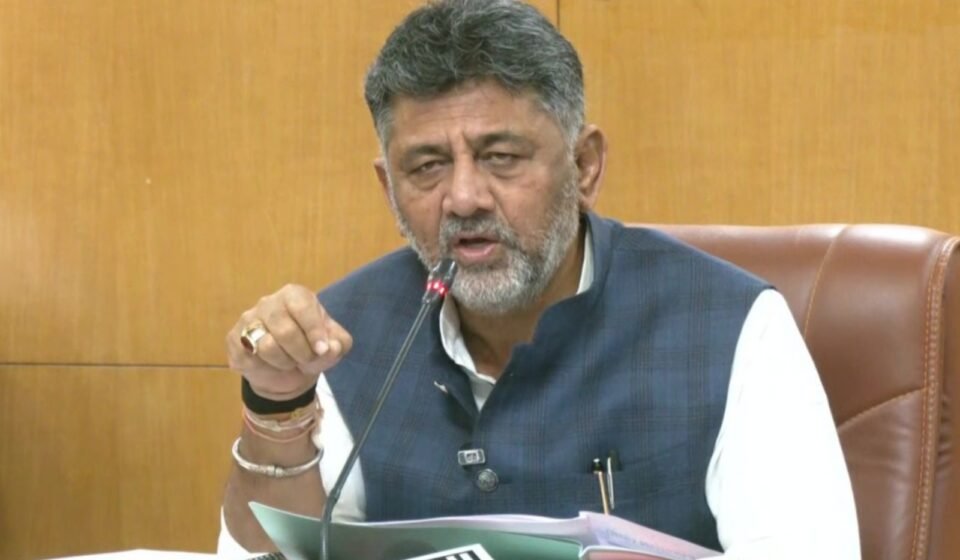
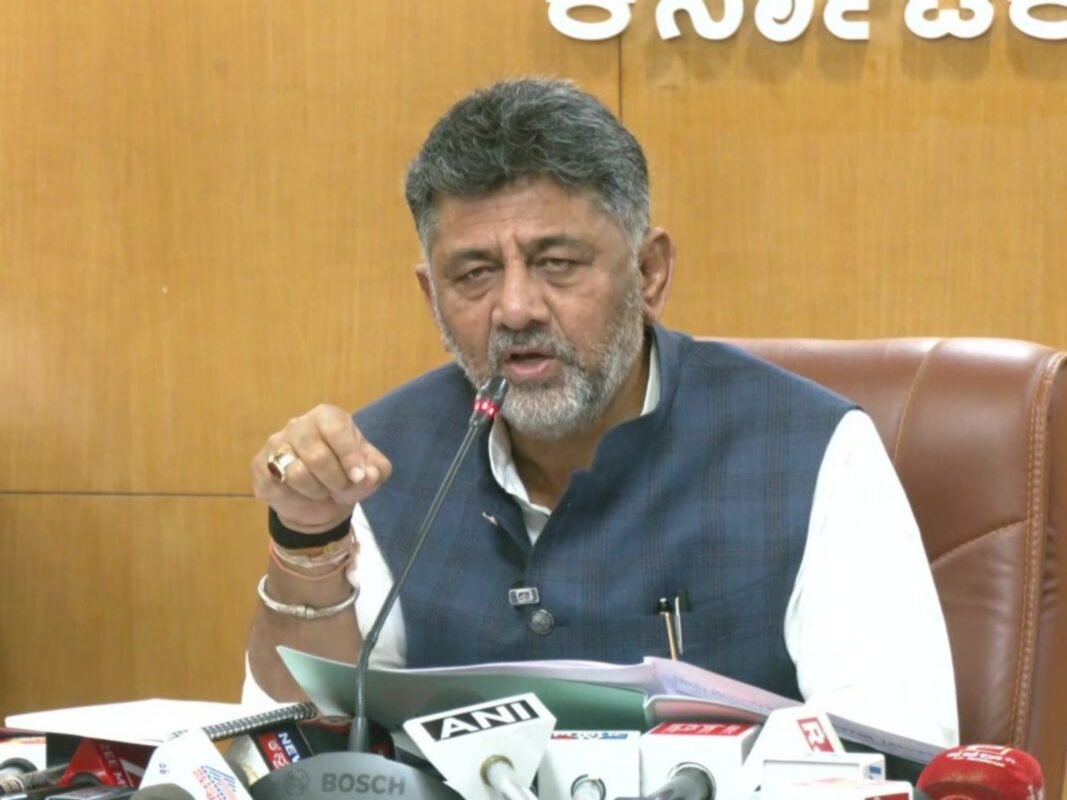
Karnataka’s Chief Electoral Officer V Anbu Kumar addressed a press conference in Bengaluru as preparations concluded, confirming that Booth Level Officers would begin visiting homes across the state to verify voter details and distribute enumeration forms. The final revised electoral roll for Karnataka is expected to be published on the seventh of October, giving the exercise just over three months from start to finish.
Why Congress Wants Answers Before the Karnataka SIR Voter Revision Proceeds
Karnataka Home Minister Priyank Kharge used the days immediately preceding the launch to publicly press the Election Commission for clarity on several aspects of the process, framing the demand not as outright opposition to the exercise but as a request for procedural transparency before it begins affecting real voters. Kharge said Congress had submitted written objections to the Chief Election Commissioner covering between eight and ten distinct concerns, and that the party had received no response by the time the revision was set to launch.
Among the specific questions Kharge raised was what the Election Commission means by the term logical discrepancy, a phrase used to describe grounds on which a voter’s name might be flagged or removed from the rolls. He argued that voters should not lose their right to vote over minor issues such as spelling errors in their names, and called for any deletion to follow a clear due process, including a formal legal notice, a speaking order explaining the decision, and a genuine opportunity to appeal before a tribunal.
Kharge was careful to distinguish Congress’s position from blanket opposition to the SIR exercise itself, stating explicitly that revising electoral rolls is a constitutional responsibility of the Election Commission and one the party does not dispute in principle. The concern, he said, is rooted in how SIR exercises were conducted in states like West Bengal, Tamil Nadu and Kerala, where Congress and allied parties have alleged that vulnerable groups were disproportionately excluded from the rolls during the process.
The AI Question at the Centre of the Dispute
One of the more unusual elements of Kharge’s objections concerns the reported use of artificial intelligence software in the broader SIR process nationally. He questioned who had audited any such software and how its decision making functioned, raising a transparency concern that goes beyond Karnataka specifically and touches the Election Commission’s broader rollout strategy across the country.
Kharge cited figures from the SIR exercise conducted elsewhere, including a claim that around 8.9 million voters nationally had been removed from rolls without adequate opportunity to contest the decision before a tribunal, and referenced a retired tribunal judge who had reportedly warned that clearing a backlog of such disputed cases could take as long as four years. Whether these figures and concerns translate into a formal legal challenge in Karnataka specifically remains to be seen, with Kharge indicating that the state government would consult Chief Minister D K Shivakumar before deciding its next steps, while also examining the legal options available to it.
The National Context Behind the Karnataka Exercise
To understand why the Karnataka SIR voter revision has drawn this level of political scrutiny, it helps to look at how the broader nationwide exercise has unfolded since its announcement in October last year. The Election Commission has framed SIR as necessary to address rapid urbanisation, high levels of internal migration, unreported deaths, duplicate entries, and the presence of non citizen voters on the rolls, particularly in border states where concerns about illegal immigration have featured prominently in the Commission’s stated rationale.
The Supreme Court upheld the legitimacy of the SIR process in a ruling delivered in May, finding it consistent with the Representation of the People Act and affirming the Election Commission’s constitutional authority to revise rolls without requiring prior permission from any other authority. That ruling has not ended the political dispute, however, since opposition parties including the Trinamool Congress, the DMK and the Samajwadi Party have continued to raise concerns about implementation even after the exercise’s basic legality was settled by the courts.
Earlier phases of SIR produced large scale deletions in states where it has already been completed, with the Election Commission reporting roughly ninety one lakh voters removed from rolls in West Bengal since October and around two point zero four crore names deleted in Uttar Pradesh through a process that ran between October and April. Numbers at that scale are precisely what has made opposition parties, Congress included, determined to scrutinise the process closely as it begins in states they consider more politically contestable.
What to Watch as the Process Unfolds in Karnataka
With Booth Level Officers now actively visiting homes across Karnataka, the practical test of this dispute will play out over the coming month, in how deletions are flagged, how clearly affected voters are notified, and whether the appeals process Kharge has demanded is genuinely accessible to ordinary citizens rather than existing only on paper. Civil society groups and religious institutions, including the Bangalore Archdiocese, have already begun encouraging residents to proactively verify their voter details rather than wait passively for a Booth Level Officer to visit.
The Karnataka SIR voter revision will conclude with a published final roll in October, but the political battle over its credibility, and the broader national argument over whether SIR strengthens or undermines electoral participation, is likely to continue well beyond that date, particularly with Karnataka’s next major elections still ahead and every disputed deletion carrying potential electoral consequence.
Related Reading
- Iran Rejects Trump’s ‘One Shot’ Threat Amid Funeral Rites
- Chandrima Bhattacharya Resigns from TMC Posts in West Bengal
- Open Channels FM: Open Source as Foundation, Not Final Answer
Official context: Readers can compare this story with public information from Election Commission of India.