

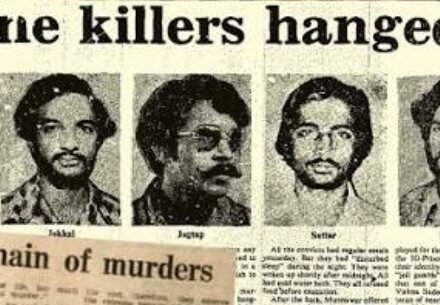
The Joshi Abhyankar Serial Murders That Terrorised Pune
Four art students, ten murders, and a city that stopped sleeping. The Joshi Abhyankar killings of 1976 and 1977 ended with one of the only fourfold hangings in the republic's history.
Read More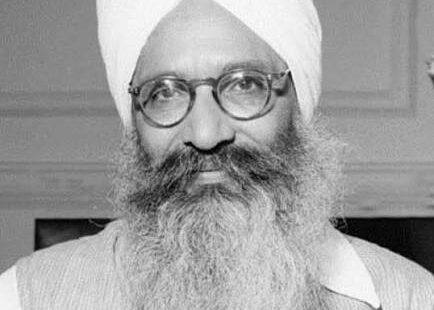
Pratap Singh Kairon: The First Assassination of a Former Chief Minister
A former Punjab chief minister forced off the Grand Trunk Road and shot in daylight in 1965. The Kairon assassination brought political violence into the post Nehru era.
Read More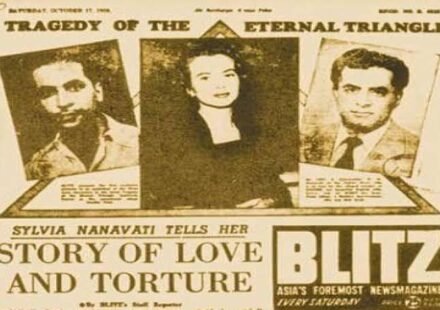
Nanavati vs the State of Maharashtra: The Case That Ended Jury Trials
A naval commander, his wife's confession, three shots in a Bombay flat, and a jury verdict the courts refused to accept. The Nanavati case ended trial by jury in India.
Read More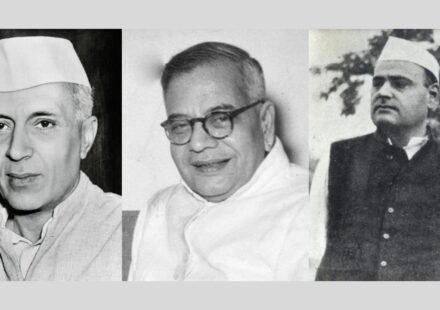
The Mundhra Scandal: The Scam That Shook Nehru’s Government
LIC's money, a Calcutta speculator, and a question raised by Feroze Gandhi in Parliament. The 1957 Mundhra scandal brought down a finance minister and set the template for every scam inquiry since.
Read More
The Jeep Scandal: Independent India’s First Corruption Controversy
A wartime purchase of jeeps for Kashmir, a contract signed in London, and a file closed in Parliament. The 1948 jeep scandal set the template for how India handles corruption charges.
Read More
The Bhawal Sannyasi Case: The Dead Prince Who Came Back
A prince cremated in Darjeeling in 1909, a sadhu in Dhaka in 1921, and a thirty seven year legal battle that ended at the Privy Council. The strangest identity trial in Indian history.
Read More
The Assassination of Mahatma Gandhi and the Trial at the Red Fort
Three shots at Birla House, a conspiracy traced from Pune to Gwalior, and a trial inside the Red Fort. How independent India prosecuted its first and most consequential murder.
Read MoreReferendum 2020 and After: The Khalistan Question Today
Unaudited diaspora plebiscites, the Amritpal episode and its sympathy vote, drones and designations at the edges, and no measurable constituency in Punjab itself: the Khalistan question today, assessed without inflation or innocence.
Read MoreThe Diaspora and the Politics of Memory
Two remembered eras diverging from one record: how the diaspora's curated memory of 1984 became referendum politics, then statecraft, from gurdwara calendars to the Nijjar affair, and why only an assembled ledger answers a curated one.
Read MoreFrom Ghallughara to Satluj: Cinema and the Memory of the Dark Years
From Maachis through the banned biopics to the three year war over the Khalra film released as Satluj: how Indian cinema remembered and was forbidden to remember the Punjab years, and what the screen can and cannot settle.
Read More