
 In 30 Seconds




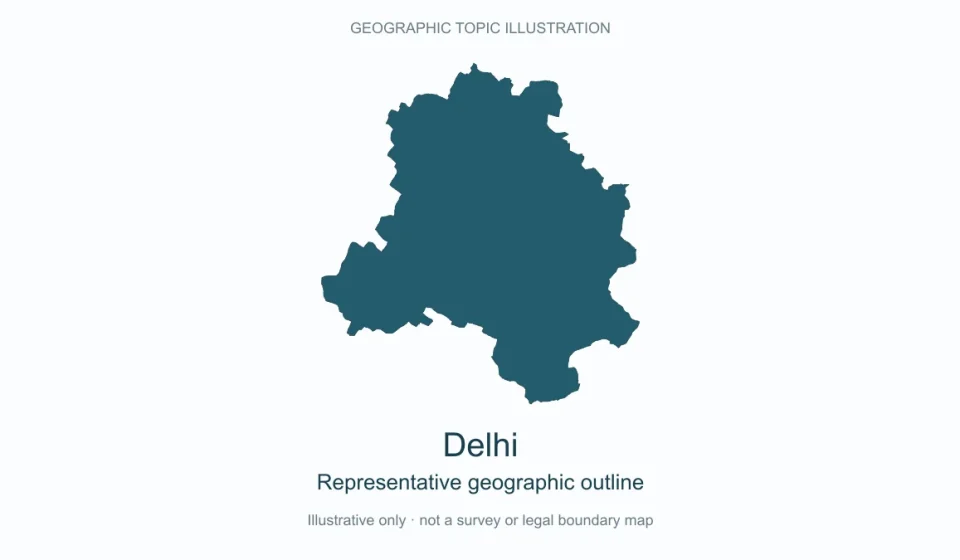
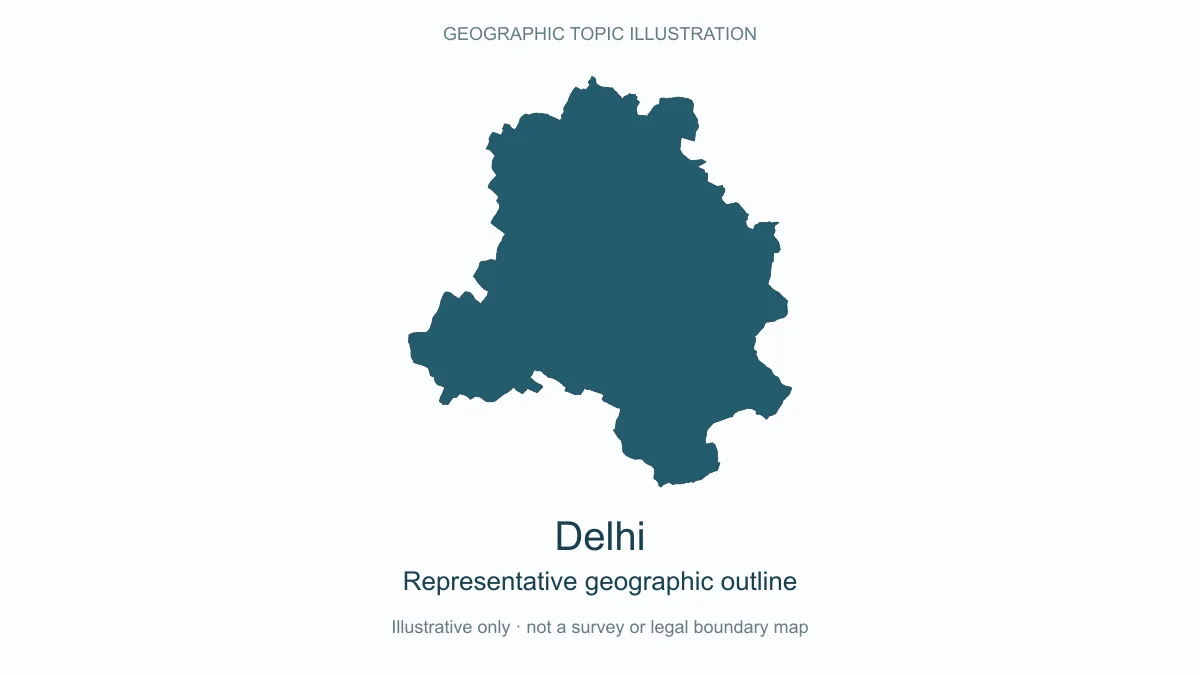
Delhi and its surrounding National Capital Region, encompassing areas such as Noida and Gurgaon, have been plunged into significant disruption following an intense spell of heavy rain and severe thunderstorms. The India Meteorological Department IMD has issued a red alert for specific parts of Delhi, signaling extreme weather conditions that demand immediate action and preparedness. Concurrently, an orange warning remains in effect for neighboring cities Noida and Gurgaon, indicating a need for heightened vigilance against the inclement weather.
This sudden onslaught of adverse weather has led to widespread consequences across the region. Reports indicate significant traffic snarls and extensive waterlogging in numerous key arteries, severely impacting daily commutes and urban mobility. The skies above Delhi Airport have also felt the impact, with 15 flights having to be diverted, disrupting travel plans for hundreds of passengers and placing considerable strain on aviation operations. Authorities are urging residents to exercise caution and remain updated on weather advisories as the situation develops.
Background
The advent of heavy rainfall and thunderstorms in the Delhi National Capital Region is a recurring seasonal phenomenon that often brings with it a complex array of challenges. Delhi, as one of the world’s most populous metropolitan areas, coupled with its satellite cities Noida and Gurgaon, frequently grapples with the infrastructural strain posed by such weather events. The urban landscape, characterized by extensive concrete surfaces, often struggles to cope with rapid accumulation of rainwater, leading inevitably to waterlogging on roads and in low lying areas. This inherent vulnerability underscores the critical role played by meteorological forecasts and early warning systems.
The India Meteorological Department, IMD, stands as the primary agency responsible for providing weather forecasts and issuing alerts across the nation. Its warnings, categorized by color codes such as red, orange, and yellow, serve as crucial indicators for state disaster management authorities and the general public, informing them about the severity of impending weather and the necessary precautions to undertake. A red alert signifies the highest level of warning, urging authorities to take action to prevent loss of life and property, while an orange warning calls for preparedness, advising people to be ready for adverse conditions.
Historically, heavy downpours in this bustling region have consistently led to significant traffic disruptions, turning daily commutes into arduous journeys. The interconnected network of roads and highways, vital for the region’s economic activity, becomes particularly susceptible to gridlock when faced with waterlogged stretches and reduced visibility. Furthermore, air travel, a cornerstone of Delhi’s connectivity, often faces considerable setbacks during severe weather, with diversions and delays becoming common, causing ripple effects across national and international flight schedules. Understanding this established pattern of impact is essential for appreciating the current scale of disruption.
Timeline of Events
2026-08-24 08:16:04: The situation rapidly escalated with initial reports confirming Delhi National Capital Region was experiencing heavy rain and widespread thunderstorms. This meteorological event prompted the India Meteorological Department IMD to immediately issue crucial weather alerts. Parts of Delhi were placed under a red alert, signaling a severe weather threat, while Noida and Gurgaon received an orange warning, indicating a need for significant preparedness. These warnings coincided with immediate and tangible consequences across the region, including considerable traffic disruptions and widespread waterlogging across key urban arteries. Furthermore, the adverse weather conditions directly impacted air travel, resulting in 15 flights being diverted from Delhi Airport. This timestamp marked the point at which the full scope of the weather’s impact began to unfold and was first formally reported.
Why It Matters
The current weather crisis in Delhi and the National Capital Region holds profound implications for millions of residents and the broader economic stability of the area. The issuance of red and orange alerts by the IMD highlights a significant threat to public safety and daily life, extending beyond mere inconvenience. When major urban centers like Delhi, Noida, and Gurgaon experience such severe weather, the fundamental rhythms of life are inevitably disrupted.
From a logistical standpoint, the reported traffic snarls and pervasive waterlogging directly impede commerce and essential services. Businesses face delays in supply chains, employees struggle to reach workplaces, and emergency services may find their response times critically slowed. The economic cost of such widespread disruption, though difficult to quantify immediately, is substantial, impacting productivity and consumer activity. The diversion of 15 flights from Delhi Airport further underscores the far reaching consequences, affecting not only individual travelers but also the operational efficiency of a major international aviation hub, creating a cascade of delays and cancellations.
Moreover, the recurring nature of these weather challenges exposes underlying vulnerabilities in urban infrastructure. The effectiveness of drainage systems, the resilience of power grids, and the overall preparedness of municipal services are rigorously tested. Timely and accurate warnings from the IMD are paramount in these scenarios, serving as a critical tool for minimizing potential harm and enabling authorities to activate contingency plans. The ability of a mega city like Delhi to navigate such environmental challenges with minimal disruption is a barometer of its readiness and adaptability in an era of unpredictable weather patterns. This event serves as a stark reminder of the continuous need for investment in robust infrastructure and effective disaster management strategies to safeguard public welfare and economic continuity.
What Could Happen Next
As Delhi and the National Capital Region remain under the influence of these weather systems, several immediate and short term scenarios could unfold. Authorities, guided by ongoing advisories from the India Meteorological Department IMD, will likely continue to monitor the weather patterns closely. Should the intensity of rainfall persist or increase, the current red and orange alerts might be extended or even elevated in some specific areas, requiring even stricter public safety measures. The immediate aftermath of the heavy rain will likely see continued efforts to manage the severe traffic disruptions and widespread waterlogging. Municipal agencies will probably deploy additional resources to clear waterlogged streets, aiming to restore normal vehicular movement as quickly as possible. Commuters should anticipate ongoing challenges on roads, with potential for further diversions or altered routes as water recedes slowly from affected areas.
For air travel, the impact on Delhi Airport may not conclude with the immediate diversion of flights. Airlines will face the challenge of rescheduling the 15 diverted flights and managing the subsequent ripple effect on their wider network, potentially leading to further delays and cancellations in the coming hours or even days. Passengers are advised to remain in close contact with their respective airlines for the latest updates on their travel plans. Public transport services, including metro and bus operations, might also face challenges, with potential delays or temporary suspensions in areas particularly affected by waterlogging or other weather related issues. Residents are strongly encouraged to stay informed through official channels, pay close attention to local news reports and weather bulletins, and adjust their daily routines accordingly. The focus will undoubtedly shift towards recovery and ensuring the safety of all residents, with a strong emphasis on preventative measures for future similar events.
Frequently Asked Questions
What is the current weather alert level for Delhi?
Parts of Delhi are currently under a red alert issued by the India Meteorological Department IMD, indicating severe weather conditions that necessitate immediate action. Other areas within the National Capital Region, specifically Noida and Gurgaon, are under an orange warning, advising residents to be prepared for adverse weather.
What are the main impacts observed due to the heavy rain?
The heavy rain and thunderstorms have led to significant traffic disruptions and widespread waterlogging across Delhi National Capital Region. Additionally, 15 flights destined for Delhi Airport have been diverted, causing considerable inconvenience and affecting air travel.
How many flights have been affected at Delhi Airport?
According to reports, 15 flights originally scheduled to land at Delhi Airport have been diverted due to the severe weather conditions, impacting passenger travel and airport operations.