
 In 30 Seconds



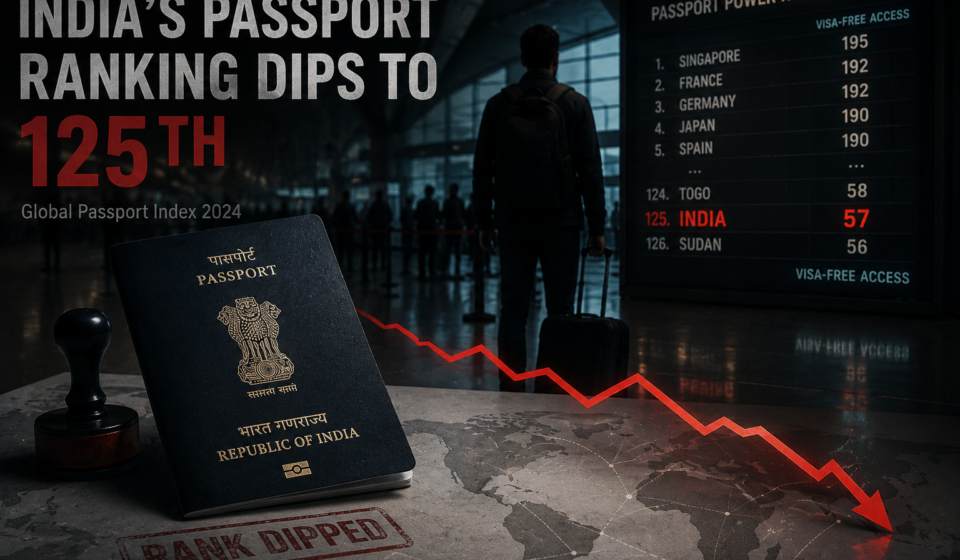
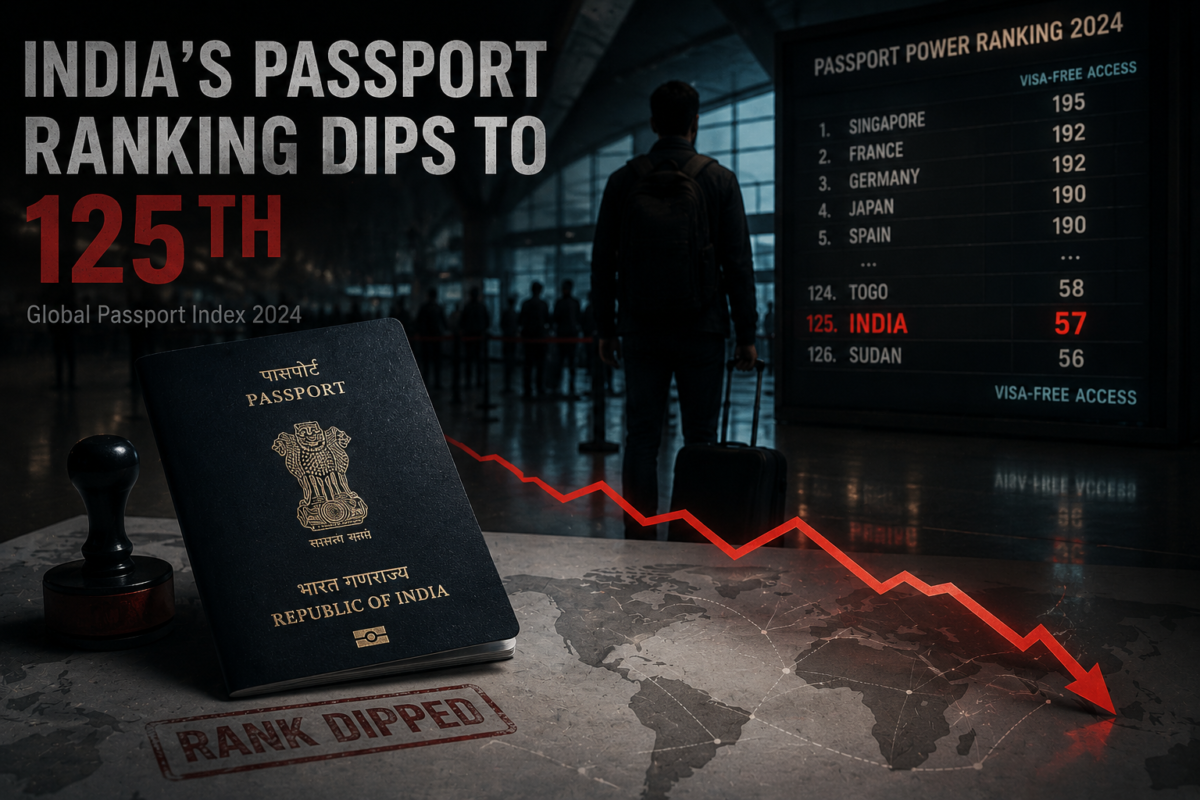
India’s standing on the global travel stage has seen a slight adjustment, with its passport ranking experiencing a decline in the recently published 2026 Global Passport Index. The nation’s passport moved down by a single position, settling at 125th globally, according to reports from Moneycontrol.com. This latest assessment offers a snapshot of the ease with which Indian citizens can travel internationally without requiring a visa, highlighting a persistent challenge in broadening access to various destinations.
The comprehensive index, a keenly observed benchmark for international mobility, further illuminates a significant trend: the pronounced dominance of European nations within its top echelons. A striking nine out of the ten highest ranking countries on the 2026 index are situated in Europe, underscoring the formidable strength of their passports in facilitating widespread visa free travel across the globe. For India, this development reiterates the ongoing efforts needed to enhance its diplomatic outreach and bilateral agreements, crucial factors in improving its global passport standing.
Background
Passport indices serve as critical barometers of a country’s global influence and its citizens’ international mobility. These rankings typically assess the number of destinations passport holders can access without obtaining a visa in advance, or by receiving a visa on arrival. A higher ranking generally signifies stronger diplomatic relations, greater geopolitical stability, and often, a more robust economy. For India, a nation with a burgeoning economy and significant global aspirations, its passport’s position carries considerable weight, influencing everything from business travel and tourism to cultural exchange.
While the exact methodology can vary across different indices, the core principle remains consistent: to measure the freedom of movement afforded to a country’s citizens. India has consistently remained outside the top 100 positions in such global assessments, indicating that a substantial portion of the world’s destinations still require Indian passport holders to undertake the visa application process. This situation reflects a complex interplay of factors, including geopolitical considerations, security concerns, and reciprocal visa agreements with other nations. The performance of a country’s passport is often seen as a tangible manifestation of its foreign policy successes and its standing in the international community.
Timeline of Events
2026-07-05: Reports emerged across various news outlets, including Moneycontrol.com, detailing the release of the 2026 Global Passport Index. This significant update revealed that the Indian passport’s global ranking had declined by one position, placing it at 125th. The index simultaneously highlighted that nine of the ten top ranking countries were European, further emphasizing the disparity in global travel access.
Why It Matters
The latest ranking holds significant implications for Indian citizens and the nation’s broader international standing. A decline in passport strength directly affects the ease of travel for millions, potentially increasing the bureaucratic hurdles and financial costs associated with international trips for leisure, education, or business. For students aspiring to study abroad or professionals seeking global opportunities, a weaker passport can complicate logistics and add layers of planning.
Beyond individual travelers, the ranking reflects on India’s diplomatic landscape. It suggests that while India maintains robust relationships with many nations, there is scope for further agreements that would facilitate easier movement for its citizens. A passport’s strength is often perceived as an indicator of a country’s international trust and its ability to negotiate favorable travel terms. The consistent presence of India outside the top 100 in these global indices means that the dream of seamless global travel remains a distant reality for many, impacting everything from tourism inflows to the ability of Indian businesses to expand their international footprint efficiently. The economic ramifications are also noteworthy, as restrictive travel policies can impede foreign direct investment and slow down the pace of global economic integration.
What Could Happen Next
In response to such international assessments, governments often initiate or intensify diplomatic efforts aimed at enhancing their passport’s global standing. For India, this could involve a renewed focus on bilateral discussions with countries offering limited visa free access, exploring opportunities for reciprocal visa agreements, or leveraging existing geopolitical alliances to negotiate more favorable travel terms. The Ministry of External Affairs might consider a targeted approach to improving relations with specific regions that currently pose significant visa challenges.
Furthermore, an increased emphasis could be placed on strengthening India’s image on the global stage, demonstrating its commitment to international norms and security standards, which often play a role in visa policy decisions made by other nations. While immediate dramatic shifts in ranking are unlikely, a sustained diplomatic push combined with India’s growing economic influence could gradually lead to an improvement over subsequent years. The ongoing engagement with international bodies and participation in global forums will also be crucial in advocating for greater travel freedoms for Indian passport holders, potentially opening up new avenues for visa free entry into more countries.
Frequently Asked Questions
What is the Global Passport Index?
The Global Passport Index is an international ranking system that evaluates the strength of a country’s passport based on the number of destinations its holders can visit without requiring a visa in advance or by obtaining a visa on arrival.
What does India’s 125th ranking mean?
India’s 125th ranking indicates that its passport holders have comparatively limited visa free travel options compared to citizens of higher ranking nations. It suggests that for a significant number of international destinations, Indian citizens must undergo a visa application process prior to travel.
Why are European countries dominant in the top tier?
European countries often dominate the top tiers of passport indices due to a combination of factors, including robust economies, strong diplomatic ties, political stability, and membership in regional blocs like the European Union, which facilitates extensive visa free travel among member states and with various global partners.
Related Reading
- Centre Intensifies Scrutiny on Social Media Applications
- Deadly Hodeidah Clashes Ignite Fears of Wider Yemen Conflict
- Iran Rejects Trump’s ‘One Shot’ Threat Amid Funeral Rites
Official context: Readers can compare this story with public information from India.gov.in.