 In 30 Seconds




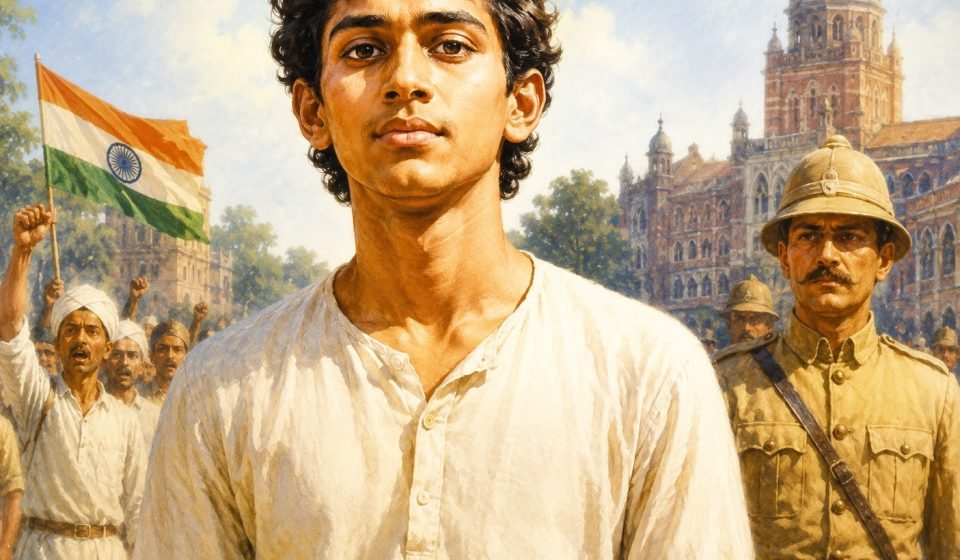
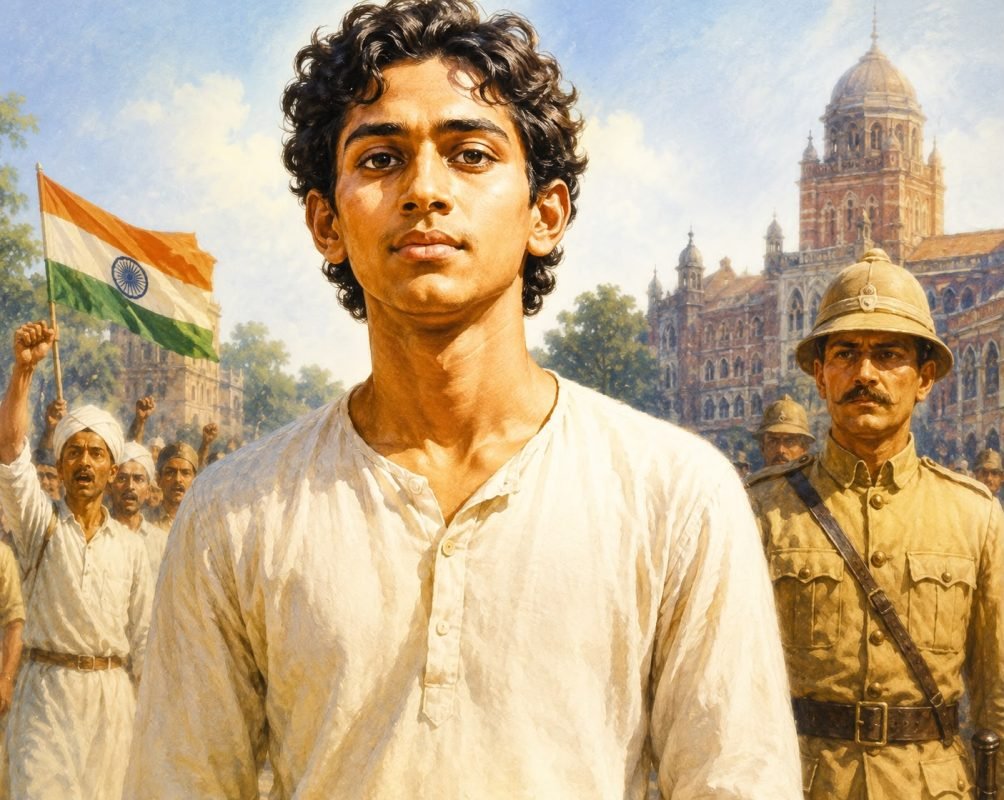
On the night of 30 April 1908, at Muzaffarpur in Bihar, two young Bengalis waited in the dark outside the European club for the carriage of Douglas Kingsford, the magistrate whose sentences on swadeshi youths, including the flogging of a boy, had marked him for the underground’s justice. A carriage came, the bomb was true, and the victims were two Englishwomen, Mrs and Miss Kennedy, wife and daughter of a barrister, Kingsford being elsewhere. The error made tragedy of the attempt, and the pursuit made history of the assailants. Prafulla Chaki, cornered at a railway station days later, shot himself rather than be taken. Khudiram Bose, eighteen years old, was arrested marching along the line, tried, and on 11 August 1908 went to the gallows at Muzaffarpur with, the reports of the day recorded, a smile and the Gita, the first martyr of the revolutionary movement whose name Bengal set instantly to song, mothers keeping, as the folk verse ran for generations, the memory of the boy who tied the noose like a garland.
The trail from Muzaffarpur led straight to a garden house at Maniktala in Calcutta, and the police dig there uncovered the revolutionary underground entire, arms, explosives, correspondence and the brotherhood itself, the secret society gathered around Barindra Kumar Ghosh, Aurobindo’s younger brother, and the circle of the journal Jugantar, whose columns had for two years preached the cult of the bomb and the mantra of sacrifice. The societies were the swadeshi movement’s hidden river. Anushilan Samiti in Calcutta and Dacca, gymnasium brotherhoods sworn before Kali, drilled in lathi and revolver, fed on Bankim’s Anandamath, Vivekananda’s call to strength and the manuals of European anarchism, had turned, as open agitation was clubbed down after 1907, to what their literature called the virile methods, political dacoity to fill the war chest and assassination to break the administration’s nerve. Muzaffarpur was their announcement, and the Alipore arrests their exposure.
The Alipore Bomb Case, the first great state trial of the revolutionary era, ran for a year with nearly forty accused, Aurobindo Ghosh the prize among them, and its courtroom and its jail wrote themselves into legend. The approver Narendranath Goswami, whose testimony carried the prosecution’s hopes against Aurobindo, was shot dead inside Alipore jail’s hospital by his co accused Kanailal Dutta and Satyendranath Bose, who went to the gallows in the same season, Kanailal’s funeral drawing Calcutta into the streets in tens of thousands. Judgment in May 1909 sent Barindra and Ullaskar Dutt to the gallows, commuted on appeal to transportation for life, and a file of young men to the Cellular Jail in the Andamans, whose torments became the movement’s next chapter. Aurobindo, defended by C R Das in the speech of his life, was acquitted, and departed within the year for Pondicherry, leaving the underground his legend and his absence.
The state answered the bomb with a new legal armoury, the Explosive Substances Act and the Newspapers Incitement Act of 1908, the Criminal Law Amendment of that year proscribing the samitis, and the Press Act of 1910, and answered it also with the gallows and the Andamans, and still the decade of the bomb ran on, the Rodda arms theft, the Delhi bomb thrown at the Viceroy Hardinge’s state entry in 1912, Bagha Jatin’s German plot and the last stand at Balasore in 1915. Measured as war, the revolutionaries never shook the Raj’s foundations, their numbers small, their reach urban, their arms pitiful beside their courage. Measured as politics, their effect was profound and double edged, quickening repression that radicalised the moderate, forcing the pace of concession, and planting in the national imagination the figure that petitioning had never produced, the youth who gave everything, whose photograph hung beside the gods. The line from the Muzaffarpur road runs through the Punjab of the Ghadar years to the Lahore of Bhagat Singh, who counted Khudiram among his household saints. A movement needs its arguments, and the Moderates and Gandhi supplied them. It needs also its proofs that the cause outweighs life itself, and an eighteen year old on a Bihar gallows in the summer of 1908 supplied the first.
1905 to 1911 - Swadeshi, Revolutionaries and Reform
Part 7 of 10 in this chapter.