 In 30 Seconds




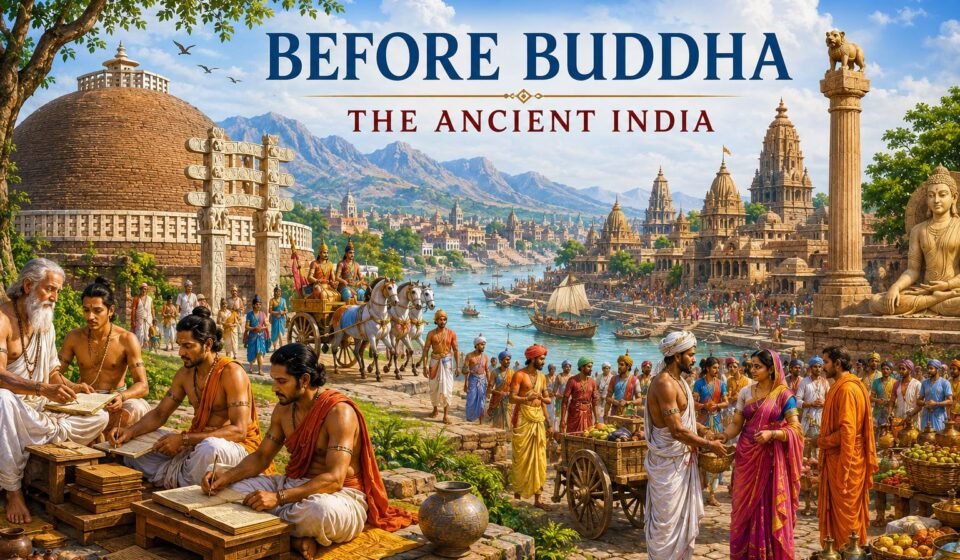
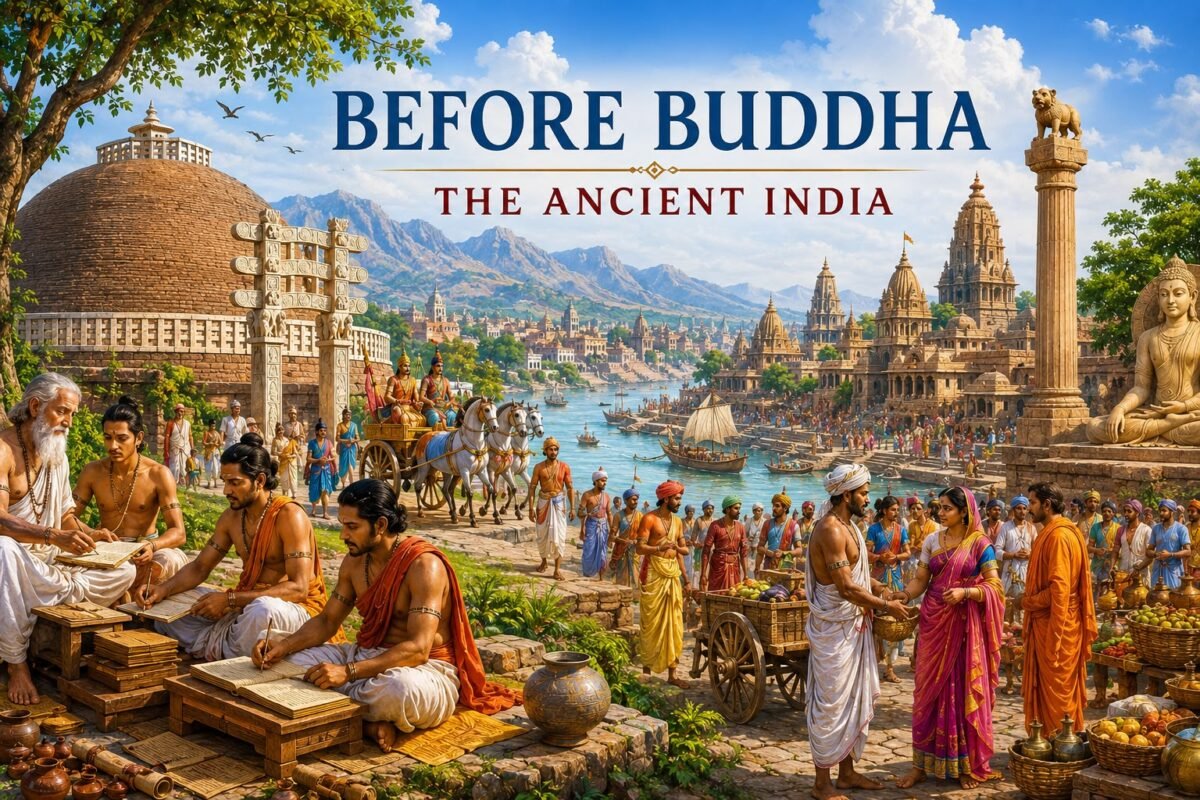
Centuries before Siddhartha Gautama sat beneath the bodhi tree, a quiet revolution was already stirring across the forests and river valleys of ancient India. This was an age when wandering ascetics, restless with the elaborate ritualism of Vedic sacrifice, began asking questions that would forever reshape human philosophy. What is the true nature of the self? What lies beyond death? Is there a single reality underlying the endless multiplicity of the visible world? These questions, recorded in texts known as the Upanishads, mark one of the most significant intellectual awakenings in human history, unfolding roughly between 800 and 500 BCE.
The Vedic religious world that preceded this period was dominated by elaborate sacrificial rituals performed by priests, believed necessary to maintain cosmic order and secure the favor of the gods. Wealth and status flowed heavily toward the Brahmin priestly class who alone possessed the specialized knowledge to conduct these ceremonies correctly. But as society grew more complex, as cities expanded and trade brought new wealth to merchants and artisans outside the traditional priestly hierarchy, a growing number of thinkers began to question whether external ritual alone could truly address humanity’s deepest concerns about suffering, mortality and meaning.
The Upanishads, composed by sages, forest dwelling teachers and occasionally kings themselves, shifted the focus from external sacrifice toward internal inquiry. They introduced concepts that remain foundational to Indian philosophy today, including Brahman, the ultimate, unchanging reality underlying the universe, and Atman, the innermost essence of the individual self. The revolutionary claim at the heart of many Upanishadic teachings was that Atman and Brahman are ultimately one and the same, that the divine is not distant and external but intimately present within every conscious being. This insight, later distilled into phrases like tat tvam asi, meaning that thou art, represents one of the earliest and most profound expressions of mystical philosophy anywhere in world history.
This period also gave rise to the doctrines of karma and rebirth, ideas that would fundamentally shape not only Hinduism but eventually Buddhism and Jainism as well. The notion that one’s actions carry moral consequences extending beyond a single lifetime, creating a cycle of rebirth called samsara, offered a framework for understanding suffering, inequality and the purpose of ethical conduct that proved remarkably durable across thousands of years of subsequent Indian thought.
Beyond the Upanishadic tradition, this era teemed with competing schools of thought, often referred to collectively as the shramana movements. Ascetics wandered from town to town, debating publicly, challenging established orthodoxy and attracting devoted followers. Some, like the Ajivikas, embraced strict determinism, believing that fate governed all existence beyond human control. Others, like the Charvakas, rejected supernatural belief entirely, advocating a materialist philosophy that trusted only direct sensory experience. This remarkable diversity of thought, flourishing side by side with growing urban prosperity, created an intellectual marketplace unlike almost anything else in the ancient world at that time.
It was into this ferment of questioning and debate that both Buddha and Mahavira emerged, each offering their own systematic response to the problems of suffering and liberation that earlier thinkers had raised. Their teachings did not appear from nowhere. They were the culmination of centuries of philosophical struggle, absorbing and reacting against the ideas already circulating through the forests and cities of ancient India.
This age before Buddha reminds us that intellectual revolutions rarely happen in isolation. The philosophical daring of the Upanishadic sages, willing to question the very foundations of inherited religious authority, created the fertile ground from which some of humanity’s most enduring spiritual traditions would eventually grow, a legacy that continues to shape how billions of people around the world think about the self, morality and the nature of existence.
Related Reading
- After Ashoka: The Slow Twilight of the Mauryan Dynasty
- The Aryan Question: What Genetics Now Tells Us
- Vedic Society: Caste, Family and Faith in Early India
Official context: Readers can compare this story with public information from Archaeological Survey of India.
Ancient India - Batch 1
Part 7 of 20 in this chapter.