
 In 30 Seconds




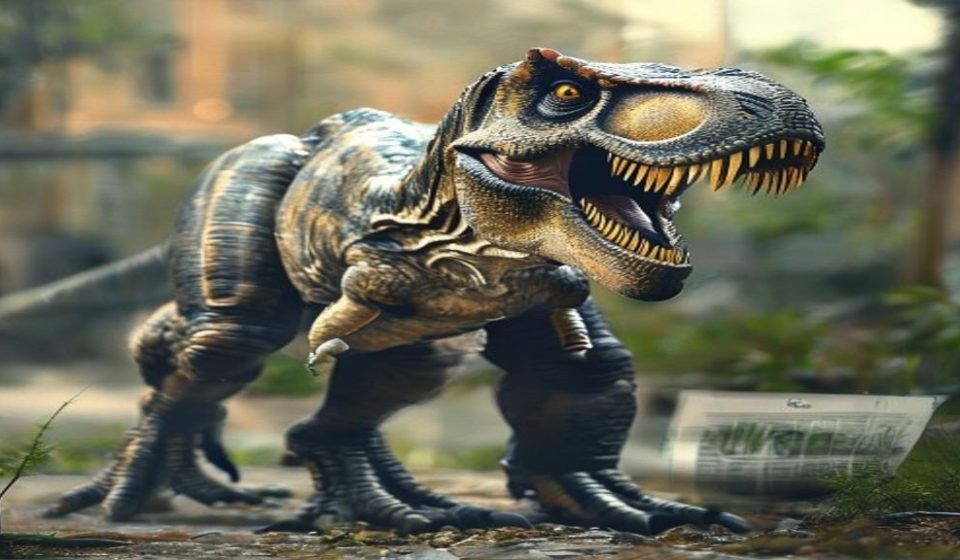
A prehistoric titan, the Tyrannosaurus Rex fossil known as ‘Gus’, recently commanded an astonishing $50.1 million at a Sotheby’s auction, solidifying its place as the world’s most expensive dinosaur fossil. This landmark sale, first reported on July 15, 2026, has not only rewritten auction records but has also ignited a fervent debate and considerable apprehension within the global scientific community.
Discovered in the expansive plains of South Dakota, ‘Gus’, an impressive specimen estimated to be 67 million years old, represents a significant find in paleontology. Its record breaking price, however, casts a long shadow, raising profound questions about the future of scientific research and the accessibility of such irreplaceable natural treasures. While ‘Gus’ soared to an unprecedented valuation, reports also highlight a stark contrast in the market, with some other dinosaur fossils reportedly changing hands for sums as modest as $19, underscoring the extreme disparities now prevalent in the burgeoning commercial fossil trade.
Background
The allure of dinosaurs has captivated humanity for generations, driving both scientific inquiry and popular fascination. Over the past few decades, high profile fossil discoveries, particularly of iconic predators like the T. Rex, have increasingly transitioned from academic halls into the competitive realm of private commerce. This shift has culminated in spectacular auction events where ancient bones become prized possessions for affluent collectors.
The T. Rex, a creature of immense power and historical significance, has always been a coveted specimen. Its fossils are remarkably rare, and each new discovery provides invaluable insights into Earth’s ancient ecosystems. However, as the commercial value of these fossils skyrockets, a growing chasm emerges between the public interest in scientific understanding and the exclusive nature of private ownership. Scientists frequently express dismay over significant specimens being acquired by private entities, a practice that can severely limit or entirely prevent critical research. Such sales remove fossils from the public domain, often making them inaccessible for detailed study, comparison with other specimens, or exhibition in museums for educational purposes. The loss of access to these crucial pieces of Earth’s history hinders the collective human endeavor to unravel the mysteries of prehistoric life and the evolutionary path of species.
Timeline of Events
On July 15, 2026, the story broke regarding the sale of the T. Rex fossil ‘Gus’. At a Sotheby’s auction, ‘Gus’ fetched an astounding $50.1 million, immediately establishing it as the most expensive dinosaur fossil ever sold globally. This singular event swiftly brought to the forefront long standing concerns among paleontologists and researchers regarding the commercialization of significant scientific discoveries.
Why It Matters
The sale of ‘Gus’ for over $50 million reverberates deeply through the worlds of science, ethics, and commerce. For the scientific community, the primary concern revolves around the potential loss of access to invaluable research material. When a fossil of such magnitude enters private hands, its availability for scientific study, preservation in public institutions, and display for educational enrichment often becomes severely restricted. This directly impedes the advancement of paleontology, as researchers rely on access to a wide array of specimens to draw comprehensive conclusions about ancient life.
Moreover, the record setting price signals a significant escalation in the commercialization of paleontological discoveries. This trend risks creating an incentive for fossil hunters to prioritize profit over responsible excavation and scientific documentation, potentially leading to damaged specimens or lost contextual information vital for research. The ethical dilemma between allowing private individuals to own natural heritage and ensuring these irreplaceable assets serve the collective good of humanity is now more pronounced than ever. Such high profile sales could also inspire further price inflation in the fossil market, making it increasingly difficult for museums and publicly funded institutions to acquire or even study significant new finds. While the prospect of uncovering a new fossil might excite some, the underlying concern remains whether such a discovery will contribute to public knowledge or simply vanish into a private collection.
What Could Happen Next
The reverberations from the ‘Gus’ auction are likely to shape the landscape of fossil discovery and ownership for years to come. One immediate consequence could be an intensification of the market for rare and complete dinosaur fossils, with collectors potentially driving prices even higher for newly unearthed specimens. This may encourage more private expeditions aimed at discovering highly valuable fossils, further complicating the efforts of academic institutions to secure important finds.
In response, the scientific community may redouble its advocacy for stricter international regulations concerning the sale and export of significant paleontological material. There could be increased calls for governmental intervention or public funding initiatives specifically designed to acquire critical fossils for public trust and scientific research. Additionally, discussions around establishing ethical guidelines for the commercial trade of fossils are expected to gain momentum, potentially leading to new frameworks for collaboration between private owners and research institutions, albeit with inherent challenges in implementation. The discovery of new valuable specimens will undoubtedly intensify this market, and the interplay between scientific necessity and commercial interest will be a defining feature of paleontology’s future.
Frequently Asked Questions
What is ‘Gus’ and why is it so significant?
‘Gus’ is a Tyrannosaurus Rex fossil, estimated to be 67 million years old, that achieved global recognition after being sold for an unprecedented $50.1 million at a Sotheby’s auction. Its significance stems from its likely completeness and the record breaking price it commanded, establishing it as the world’s most expensive dinosaur fossil.
Why are scientists concerned about sales like ‘Gus’?
Scientists express profound concern that such high value sales transfer invaluable paleontological specimens into private ownership. This often limits or entirely prevents access for crucial scientific research, detailed study, and public display, thereby hindering the collective understanding of prehistoric life and the advancement of the field.
Were other dinosaur fossils also sold around the same time?
Yes, while ‘Gus’ set a new benchmark for fossil prices, reports indicate that other dinosaur fossils were also available during this period for significantly lower sums. Some were reportedly sold for as little as $19, highlighting the vast disparity and diverse nature of the commercial market for prehistoric remains.