

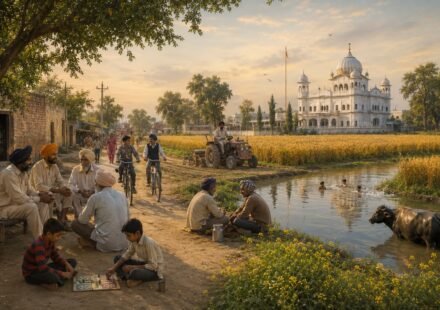
Punjab at Peace: What Reconciliation Would Actually Require
The count completed in every column, the narrative assembled, consequence proportioned to what remains actionable, and the grievances of 1982 finally settled: the four components of Punjab's reckoning, and the series' closing argument.
Read MoreTruth Without Reconciliation: Punjab’s Unfinished Accounting
Punjab's dark years are not unknown; they are unassembled, documented in fragments each constituency curates and no institution was ever mandated to compose. The condition of truth without reconciliation, named, and the final batch it organises.
Read MoreThe Cost in Numbers: Counting the Dead of Punjab’s Dark Years
Above twenty one thousand by the official count, a third or more higher once the disappeared are entered, five thousand dead in the peak year alone, concentrated in the Majha and in one rural generation: the era's arithmetic, assembled and explained.
Read MoreWomen in the Insurgency Years: Widows, Mothers and the Missing Half of the Record
Widowed by every side, regulated and targeted by the codes, leveraged in the interrogations, and then, in the aftermath, the habeas petitioners and testimony builders who forced the counting: the women's half of Punjab's record, entered deliberately.
Read MoreWhy the Militancy Collapsed: Five Forces That Ended the Insurgency
From the bloodiest year of the conflict to effective extinction in under three years: the population's turn, the campaign, the fratricide, the reopened ballot and the hollowed cause, ranked in the order the record supports.
Read MoreJournalists Under the Gun: Reporting Punjab in the Dark Years
Militant press codes enforced by assassination from one side, blackouts, TADA and surveillance from the other: how Punjab's journalists worked between two guns, what it did to the record, and the debt the era's truth owes them.
Read MoreThe Extortion Economy: How Militancy and Policing Both Taxed Punjab
Harvest levies and ransom from one side, paid interrogations and sold hope from the other: the double taxation of rural Punjab financed the war, disgusted the village, and decided the endgame before the police did.
Read More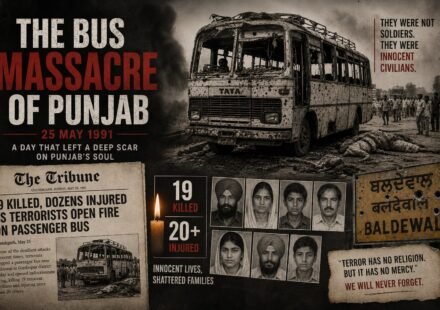
The Bus Massacres: When the Militancy Turned Its Guns on Passengers
From Muktsar 1986 to Fatehabad 1987 to the Baddowal trains of 1991, militants stopped buses and killed passengers selected by religion. The pattern, the strategy behind it, and what the massacres did to the movement's claims.
Read More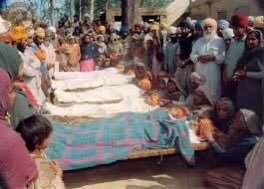
Operation Woodrose: The Sweep Through Rural Punjab
The army sweep through Punjab's villages after Blue Star detained thousands of young Sikh men, produced the notorious Amritdhari circular, and drove a generation across the border into ISI camps. The insurgency's least documented chapter.
Read More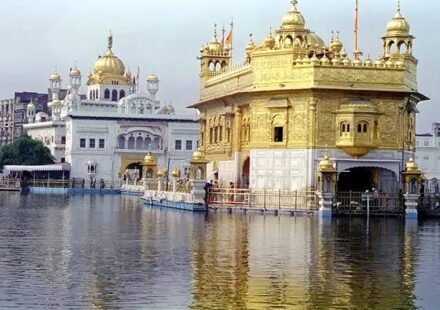
The Golden Temple Becomes a Fortress: 1982 to 1984
From the Dharam Yudh Morcha's headquarters to Shabeg Singh's gun positions in the Akal Takht: the two year drift by which the Darbar Sahib became a fortress, and the failures on every side that made June 1984 possible.
Read More