 In 30 Seconds




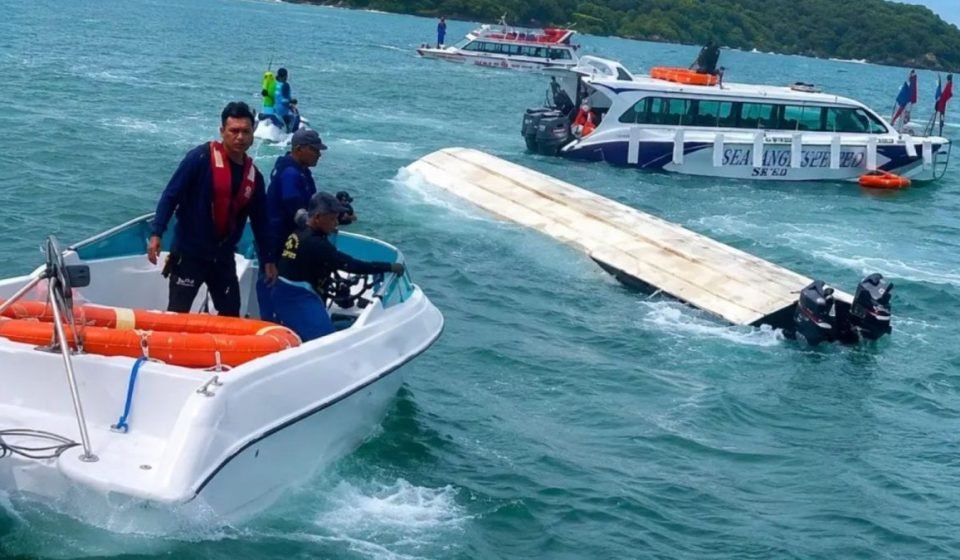
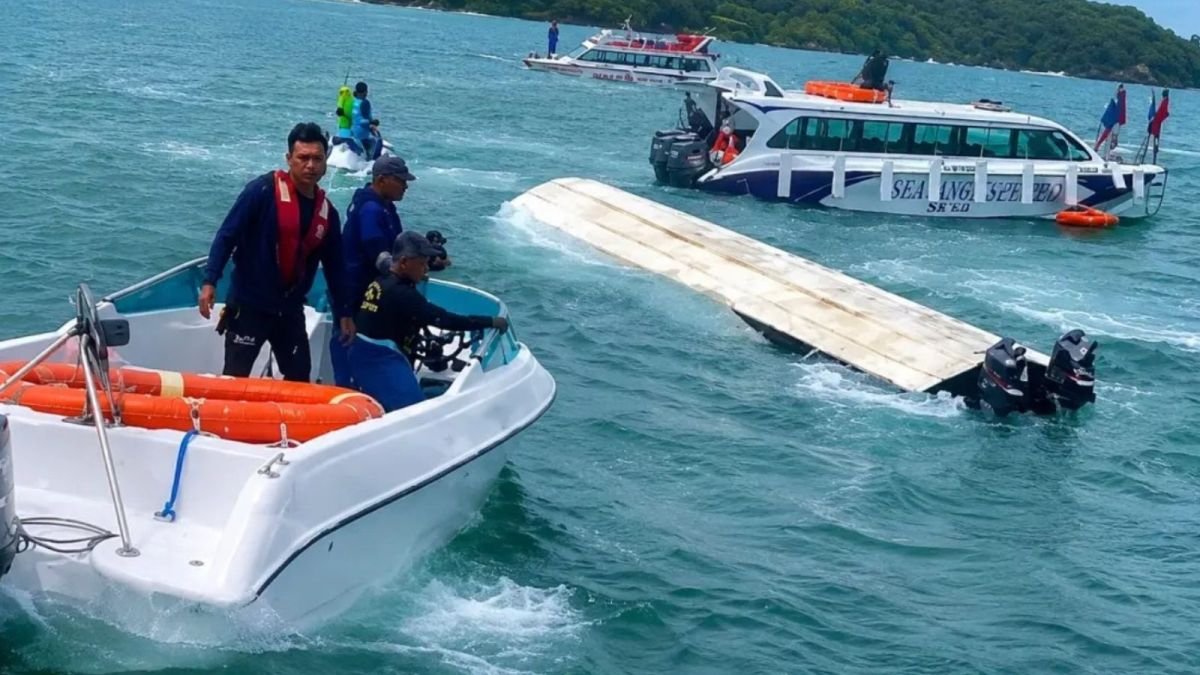
A profound sorrow has enveloped the Indian community following reports of a catastrophic boat capsizing near Phu Quoc island off the coast of Vietnam. At least fifteen Indian tourists, according to initial reports from The Hindu, have tragically lost their lives in the incident. Among the deceased are individuals associated with Lava Mobiles, with a significant number, reportedly fifteen, being associates of the company. Further deepening the national grief, three of the victims hailed from the southern Indian state of Andhra Pradesh.
The devastating news has spurred immediate and extensive rescue efforts by local authorities, working tirelessly to locate any remaining individuals and offer aid. Simultaneously, a concerted drive has commenced for the repatriation of the bodies of the deceased to India, a complex and emotionally charged undertaking. The government of Andhra Pradesh has notably initiated its own operations to facilitate the return of the bodies of its citizens and to provide support for any affected tourists.
Background
Phu Quoc, a picturesque island known for its pristine beaches and lush landscapes, has steadily grown into a sought after tourist destination in Southeast Asia, attracting visitors from across the globe, including a growing number of Indian travelers. The allure of its tranquil waters and vibrant culture often makes it a highlight for those exploring the region. However, as with any popular tourist hub involving marine activities, inherent risks can sometimes emerge, particularly when unforeseen circumstances arise on the open waters.
The incident casts a somber light on the safety protocols and regulations governing maritime tourism, both for operators and for those embarking on recreational voyages. Such tragedies serve as stark reminders of the unpredictable nature of the sea and the critical importance of stringent safety measures, including robust vessel maintenance, adequate safety equipment, and well trained crew members. For many Indian families, international travel has become an increasingly accessible aspiration, fostering a growing tourism sector that contributes significantly to global travel figures. When an overseas tragedy strikes, it not only impacts the immediate victims and their families but also reverberates through the larger community, prompting questions about traveler welfare and consular support.
Timeline of Events
2026-07-12 03:52:34: The story of the boat capsizing near Phu Quoc island off Vietnam first emerged, revealing the tragic loss of life. Initial reports confirmed that at least fifteen Indian tourists had perished in the accident. This early information indicated that associates of Lava Mobiles were among the victims, specifying that fifteen individuals linked to the company were involved. Additionally, it was reported that three of the deceased were citizens from Andhra Pradesh, India. Concurrently, news broke of active rescue operations already under way, alongside nascent efforts for the repatriation of the deceased and assistance for other affected tourists.
Why It Matters
The capsizing incident holds profound significance on multiple fronts. Foremost, it represents an immense human tragedy, a heartbreaking loss of at least fifteen lives, each carrying a ripple effect of grief through families, friends, and communities in India. For the families, the sudden and unexpected loss of loved ones overseas initiates a painful and complex journey of mourning, compounded by the logistical challenges of international repatriation. The presence of Lava Mobiles associates among the victims also points to a corporate impact, potentially affecting the company’s internal community and operations, and raising broader concerns about corporate travel safety.
On a diplomatic level, the incident necessitates close cooperation between India and Vietnam. The Indian government, through its diplomatic channels, will undoubtedly engage with Vietnamese authorities to ensure all possible assistance is provided, from rescue efforts to the proper identification and respectful return of the deceased. Such events test the strength of international relations and the efficacy of consular services in providing timely and sensitive support during crises. Furthermore, the tragedy invariably prompts discussions about the safety standards within the international tourism industry. It may lead to increased scrutiny of tour operators, vessel safety regulations, and emergency response capabilities in popular tourist destinations, potentially influencing future travel advisories or policy changes aimed at enhancing traveler safety.
What Could Happen Next
In the immediate aftermath, rescue efforts are expected to continue with unwavering intensity, as authorities work to ensure no one else is left unaccounted for. This critical phase involves meticulous search operations, often in challenging marine conditions, to bring closure to the initial crisis. Following the identification of all victims, the arduous process of repatriation will move to the forefront. The Andhra Pradesh government has already taken steps in this direction, signaling a coordinated effort to bring back the bodies of its citizens and provide necessary support to any survivors or affected family members who may have traveled to Vietnam.
Concurrently, an official investigation into the cause of the capsizing will likely be launched by Vietnamese authorities. This inquiry would seek to determine the precise circumstances leading to the accident, including factors such as weather conditions, the structural integrity of the boat, adherence to safety protocols, and the competence of the crew. The findings of such an investigation could have far reaching implications for maritime safety regulations in the region. Furthermore, both the Indian and Vietnamese governments will continue to offer consular assistance to the families of the victims, providing updates, facilitating travel, and offering psychological support. Depending on the investigation’s outcomes, there could be a reevaluation of travel advisories for certain maritime activities, aiming to prevent similar tragedies in the future and bolster confidence in the safety of international travel.
Frequently Asked Questions
How many Indian tourists died in the incident?
According to reports, at least fifteen Indian tourists tragically lost their lives when the boat capsized. This number includes fifteen associates from Lava Mobiles and three individuals from Andhra Pradesh.
Where did the boat capsizing incident occur?
The devastating boat capsizing took place near Phu Quoc island, located off the coast of Vietnam.
What efforts are currently under way following the tragedy?
Intensive rescue operations are presently under way, alongside comprehensive efforts for the repatriation of the bodies of the deceased to India. The government of Andhra Pradesh has specifically initiated its own operations to facilitate the return of its citizens and assist affected tourists.