
 In 30 Seconds



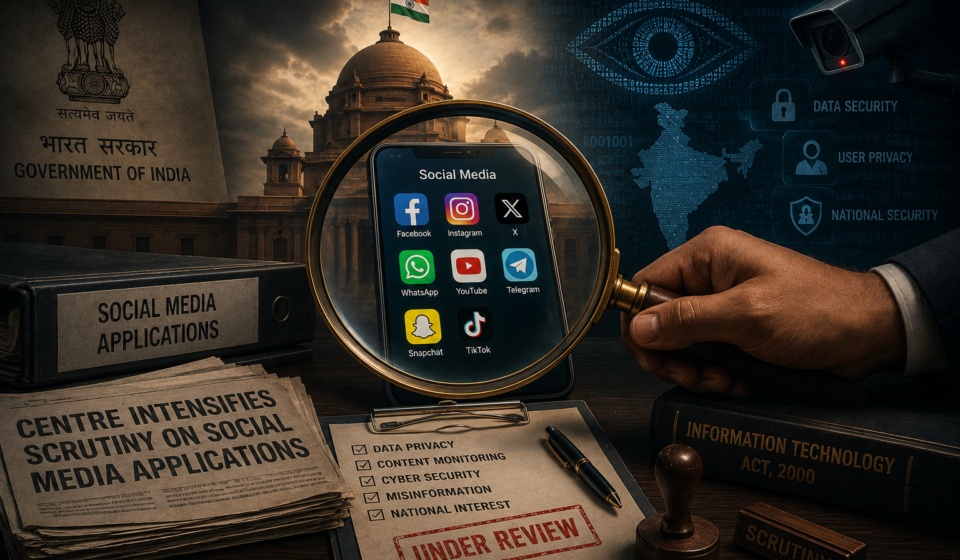
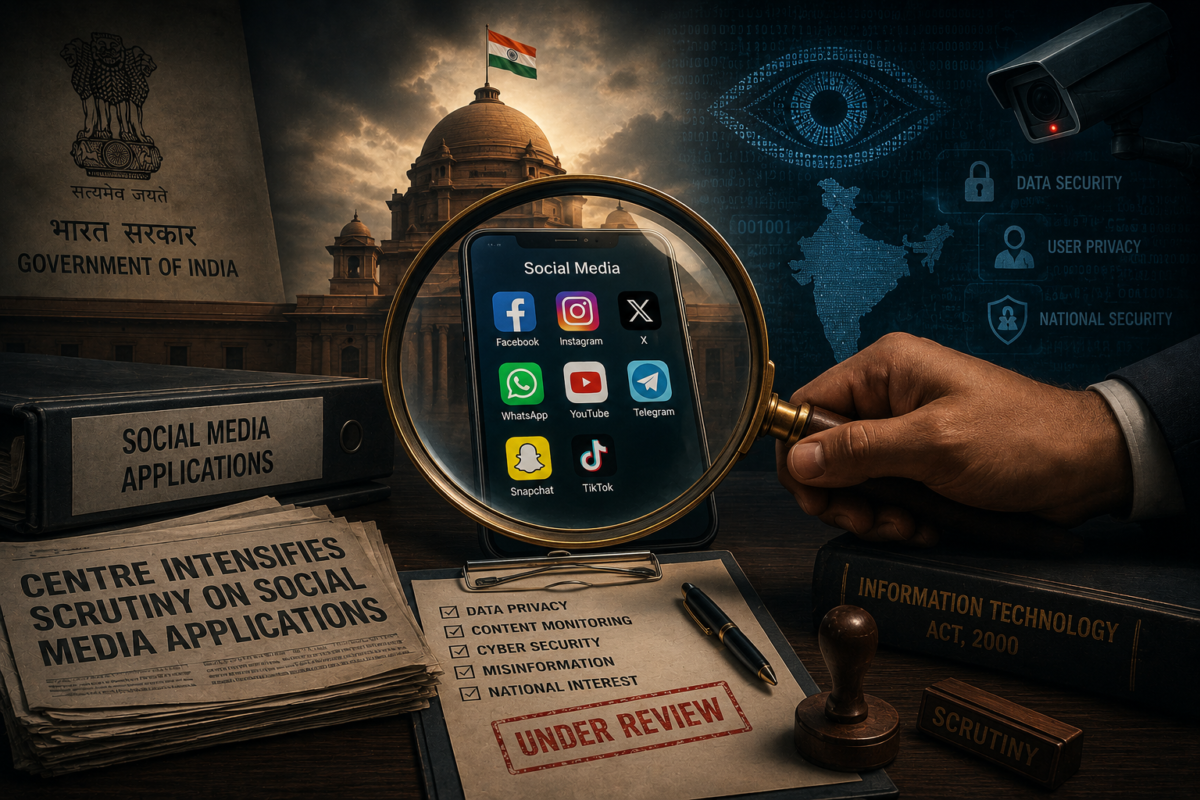
The Indian government has significantly heightened its examination of prominent social media platforms, including WhatsApp, Instagram, and Telegram. This increased scrutiny, according to reports, primarily targets WhatsApp’s recently introduced username feature, which has become a focal point of concern for regulatory bodies. Officials are reportedly wary of the potential for this new functionality to facilitate cybercrime and allow for widespread impersonation, prompting direct engagement with Meta, the parent company of WhatsApp and Instagram.
This development underscores a persistent effort by the Indian Centre to assert greater oversight over digital communication channels. Meetings have already taken place between government officials and representatives from Meta, indicating the seriousness with which these concerns are being addressed. The government’s posture suggests a proactive approach to safeguarding online spaces against misuse, particularly as digital interactions become increasingly integral to daily life in India.
Background
India, a nation with one of the largest internet user bases globally, has long grappled with the complex challenges presented by the rapid expansion of social media. The government’s focus on online safety and cybercrime prevention has intensified over recent years, driven by a growing awareness of the potential for digital platforms to be exploited. Issues ranging from misinformation and incitement to violence to financial fraud and identity theft have periodically surfaced, leading to calls for more robust regulatory frameworks.
The current concerns about WhatsApp’s new username feature are not isolated; they are part of a broader ongoing dialogue between the government and major technology companies regarding platform accountability. Past instances of public discourse and policy interventions have often centered on content moderation, data privacy, and the traceability of messages. The introduction of a username feature, distinct from a user’s phone number, presents a new layer of complexity for law enforcement and regulatory bodies seeking to identify and prosecute malicious actors. According to the Hindustan Times, the IT Secretary has voiced specific concerns that this feature could directly fuel cybercrime and impersonation, making it harder to track individuals involved in illicit activities. This situation places Meta and other social media providers under immense pressure to demonstrate their commitment to user safety and compliance with local regulations, balancing innovation with the imperative of national security and public order.
Timeline of Events
The story gained initial traction on July 5, 2026, at 12:37:09, when reports first emerged detailing the Indian government’s intensified scrutiny of key social media applications, specifically WhatsApp, Instagram, and Telegram. At the heart of this government examination was WhatsApp’s new username feature. Concerns were immediately raised regarding its potential to exacerbate cybercrime and facilitate impersonation, which subsequently led to a series of meetings between government representatives and officials from Meta, the corporate entity overseeing WhatsApp and Instagram. This initial reporting highlighted the Centre’s proactive stance in addressing perceived vulnerabilities within the digital ecosystem.
Why It Matters
The Centre’s tightening of scrutiny on social media platforms carries profound implications for millions of users, for the operational freedom of technology companies, and for the future of digital governance in India. For users, these regulatory interventions could mean changes to how they interact with their favorite applications. While the intent is to enhance online safety and prevent crimes such as impersonation, users might encounter more stringent verification processes or alterations to features designed for greater anonymity.
For global technology giants like Meta, this represents a significant challenge to their business models and product development strategies. India is a crucial market, and noncompliance with government directives could lead to operational restrictions or substantial financial penalties. The ongoing dialogue necessitates a delicate balance between fostering innovation and adhering to the sovereign demands for a secure digital environment. The government’s stance underscores its authority in shaping the digital landscape, potentially setting precedents for how other nations approach similar issues concerning technology oversight and user data. This engagement is not merely about a single feature; it reflects a broader policy push towards greater accountability from platforms that wield immense influence over public discourse and individual lives.
What Could Happen Next
Following the recent meetings, the immediate focus is on Meta’s forthcoming response. According to reports, the company has been given a three day window to provide a final reply to the government’s concerns regarding the WhatsApp username feature. This response will likely dictate the next steps taken by the Indian authorities. Potential outcomes could range from Meta agreeing to modify the feature to address the government’s specific security apprehensions, perhaps by incorporating stricter verification protocols or providing greater traceability options. Alternatively, if the government deems Meta’s response insufficient, further notices could be issued, escalating the situation. This might involve mandating specific changes through legal directives or considering more restrictive measures against the platforms.
Beyond immediate responses, this episode could accelerate the development of new, more comprehensive regulatory frameworks for social media and online communication in India. The government might introduce new guidelines or amendments to existing laws, aiming to enhance online safety, strengthen cybercrime prevention mechanisms, and establish clearer responsibilities for platform providers. Such actions could profoundly impact the design and functionality of future social media features across WhatsApp, Instagram, and Telegram, ensuring they align with India’s national security and public order priorities. The ongoing dialogue is expected to be a continuous process, with both technology companies and the government seeking a common ground that balances user privacy, platform innovation, and national digital security.
Frequently Asked Questions
What is the primary concern regarding WhatsApp’s new username feature?
The primary concern voiced by the Indian government, particularly by the IT Secretary, is that WhatsApp’s new username feature holds the potential to significantly fuel cybercrime and facilitate impersonation. This concern arises from the possibility of users creating identities that are difficult to trace, thereby complicating efforts to identify and prosecute malicious actors involved in online fraud or other illicit activities.
Which social media applications are currently under the government’s scanner?
The Indian government has intensified its scrutiny on several major social media applications. Specifically, WhatsApp, Instagram, and Telegram are the platforms that have come under the government’s scanner, with particular attention paid to features that could pose security risks or challenges for law enforcement.
What is Meta’s involvement in this situation?
Meta, as the parent company of both WhatsApp and Instagram, is directly involved in discussions with the Indian government. Representatives from Meta have already met with government officials to address the concerns raised. The company is currently expected to provide a final reply within a three day period, detailing its approach to mitigating the risks associated with the new username feature and ensuring compliance with regulatory expectations.
Related Reading
- India’s Passport Ranking Dips to 125th in 2026 Global Index
- Deadly Hodeidah Clashes Ignite Fears of Wider Yemen Conflict
- Iran Rejects Trump’s ‘One Shot’ Threat Amid Funeral Rites
Official context: Readers can compare this story with public information from India.gov.in.