 In 30 Seconds




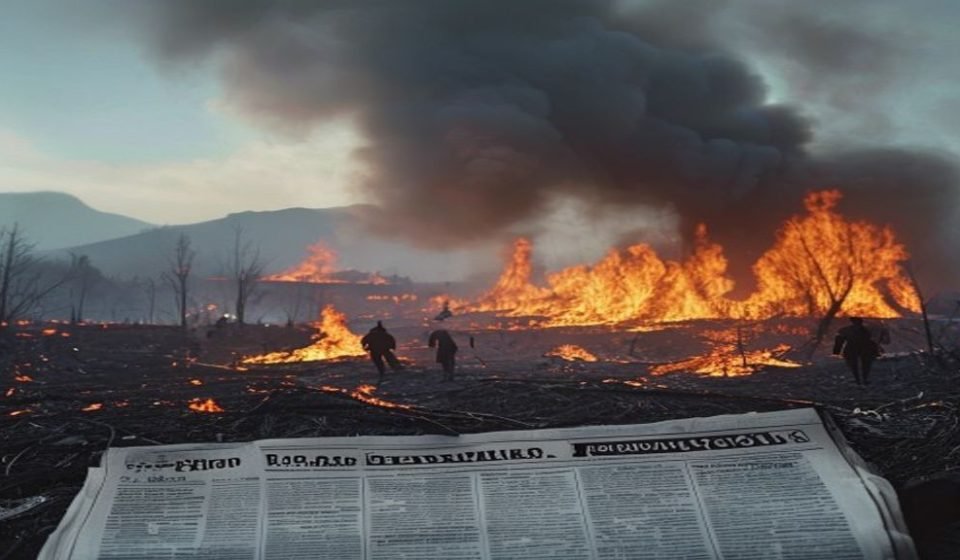
Massive wildfires continue to devastate large swathes of Europe, prompting the forced evacuation of hundreds of thousands of residents from their homes. Countries like France and Spain are bearing the brunt of these intense blazes, with emergency services engaged in a desperate effort to contain the sprawling infernos. The scale of the displacement is staggering, impacting the lives of countless individuals as the fires rage unchecked across dry landscapes, turning once vibrant areas into scenes of devastation. Reports indicate that over 300,000 people have already fled their communities in France and Spain alone, painting a grim picture of the unfolding humanitarian and environmental crisis.
The situation remains highly volatile as firefighters from various nations race against time and challenging weather conditions. The sheer intensity and rapid spread of the fires pose significant hurdles, making containment a formidable task. Communities are left reeling, with residents describing harrowing escapes and the overwhelming feeling of helplessness in the face of nature’s fury. This widespread disaster underscores the urgent challenges posed by extreme weather events across the European continent.
Background
Europe has historically faced seasonal wildfires, particularly in its southern regions. However, the current wave of conflagrations appears to be of an unprecedented scale and intensity, according to various reports. The confluence of prolonged dry spells, high temperatures, and strong winds creates ideal conditions for such destructive blazes to ignite and proliferate rapidly. These environmental factors transform vast tracts of forests and scrubland into highly flammable zones, rendering them susceptible to both natural ignition and human related incidents.
The collective experience across the continent has shown a concerning trend towards more frequent and more severe fire seasons. This year, the geographical spread of the fires has encompassed multiple nations, signaling a broader regional vulnerability. The relentless nature of these fires not only destroys natural habitats and agricultural land but also poses significant risks to human settlements and critical infrastructure. The ongoing crisis highlights a persistent challenge for European governments and emergency responders, demanding substantial resources and coordinated international efforts to mitigate the immediate danger and plan for long term resilience.
Timeline of Events
The escalating crisis first garnered significant international attention on 25 July 2026. Initial reports on that day highlighted widespread wildfires across Europe, particularly noting the severe impact in France and Spain. At this early stage, the severity was already evident, with hundreds of thousands of people forced to flee their homes as firefighters launched intensive operations to combat the spreading flames.
As the days progressed, the true scale of the disaster became clearer. The number of evacuees steadily climbed, surpassing 250,000, and later, specific figures emerged detailing more than 300,000 people fleeing wildfires in affected regions of France and Spain. News outlets, including dw.com, provided ongoing coverage of the worsening situation, chronicling the extensive evacuations and the strenuous efforts by emergency services. The consistent narrative from the outset has been one of relentless struggle against the formidable forces of nature, with the fires proving exceptionally difficult to bring under control.
Why It Matters
The current wildfire crisis in Europe holds profound implications that extend far beyond the immediate damage. Firstly, the sheer scale of human displacement is a significant humanitarian concern. Forcing hundreds of thousands of people to abandon their homes creates immense social disruption, leading to uncertainty, loss of property, and psychological trauma. Evacuees often face prolonged periods of displacement, straining local resources and support systems designed to assist those affected by natural disasters.
Environmentally, the destruction of vast forest areas represents a catastrophic loss of biodiversity and natural carbon sinks. Forests play a crucial role in regulating climate, supporting diverse ecosystems, and preventing soil erosion. Their widespread destruction contributes to air pollution through smoke plumes that travel long distances, impacting air quality and public health far from the fire zones. The long term ecological recovery of these devastated regions will require significant time and concerted conservation efforts, underscoring the severe environmental degradation caused by these blazes.
Economically, the fires inflict substantial damage on agricultural sectors, tourism, and infrastructure. Rebuilding homes, businesses, and essential services will necessitate considerable investment and resources, placing a heavy burden on national economies. The disruption to livelihoods and local economies can be profound, with recovery taking many years. Furthermore, the recurring nature of such severe events hints at deeper climate related challenges, prompting urgent calls for robust policies and adaptive strategies to address the underlying vulnerabilities across the continent.
What Could Happen Next
The immediate future for Europe’s fire affected regions will likely involve a continued, arduous battle for containment. Firefighters, supported by international aid where available, will persist in their efforts to bring the remaining blazes under control. However, given the intensity of the fires and prevailing environmental conditions, this process is expected to be prolonged. As one observer noted, it will undoubtedly “take a long time to control” these widespread infernos, suggesting an extended period of vigilance and operational engagement.
Following containment, the focus will inevitably shift towards assessing the full extent of the damage and initiating comprehensive recovery efforts. This will involve significant humanitarian aid for displaced populations, assistance for rebuilding homes and infrastructure, and long term environmental restoration projects. The ecological wounds, particularly the loss of forests and wildlife, will demand decades of rehabilitation. Furthermore, the experience of this severe fire season will undoubtedly trigger increased scrutiny and debate over climate change mitigation strategies and enhanced disaster preparedness across Europe, potentially leading to updated policies and more robust early warning systems to cope with future extreme weather events.
Frequently Asked Questions
Which European countries are most affected by the current wildfires?
The widespread wildfires are significantly affecting several European nations, with France and Spain specifically identified as experiencing massive evacuations and extensive damage from the blazes. The broader European continent is facing a regional crisis.
How many people have been forced to evacuate due to the wildfires?
Reports indicate that hundreds of thousands of people have been forced to flee their homes. Specifically, more than 300,000 individuals have been evacuated from wildfire zones in France and Spain alone, underscoring the immense scale of the displacement.
What challenges are firefighters facing in containing the blazes?
Firefighters are racing against the clock and confronting extremely challenging conditions, including intense heat, prolonged dry spells, and strong winds. These factors contribute to the rapid spread and formidable intensity of the fires, making containment a long and arduous process.