
 In 30 Seconds




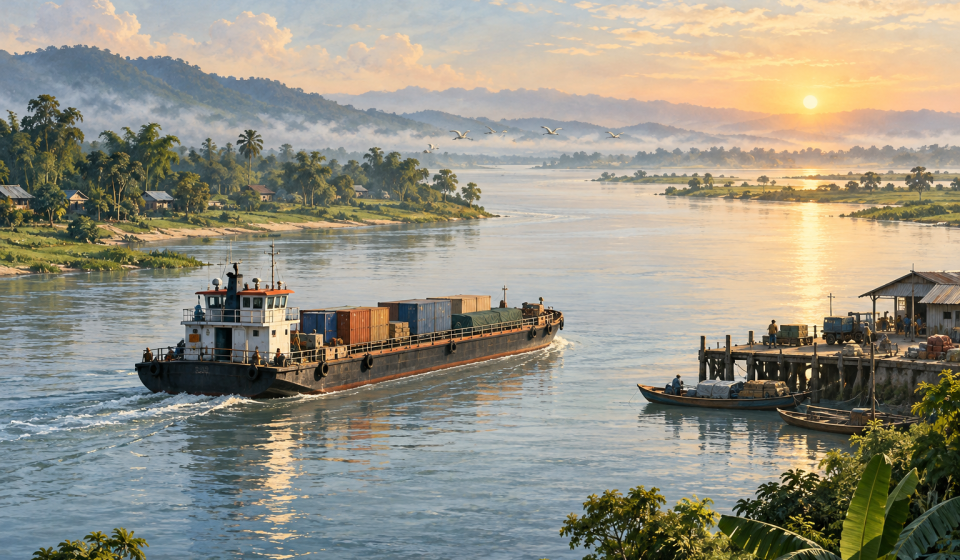
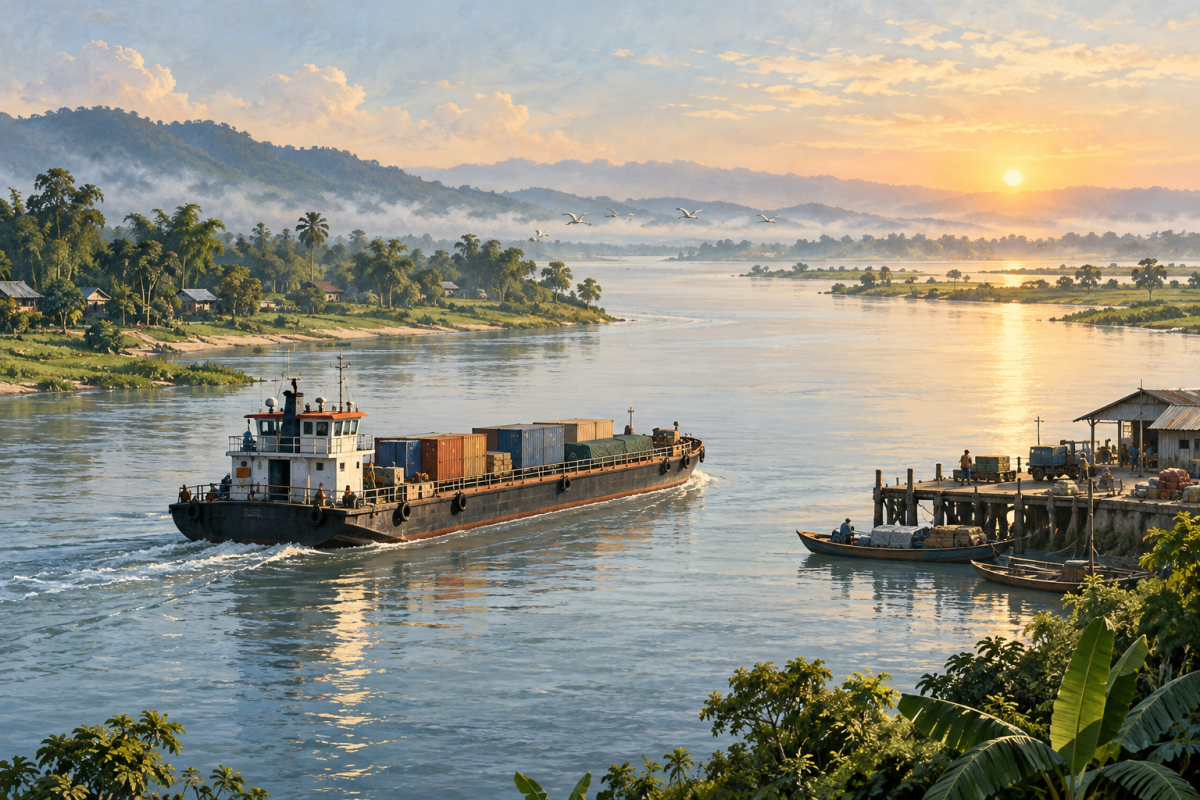
For decades, the great river that defines Assam has carried far more memory than cargo. That is beginning to change. As Business Today reports, a barge carrying 540 metric tonnes of methanol has left the Bogibeel Terminal in Dibrugarh bound for Pangaon Port in Dhaka, reviving a river route that had been silent for about seven decades.
A whistle heard again
Dibrugarh, long known as the Tea Capital of India, was once also a great river port, with steamers linking the Brahmaputra valley to the delta in what is now Bangladesh. That traffic faded after 1956. A statement quoted in the report says the steamer whistle that fell silent that year is being heard again, and credits the Modi government for building world class infrastructure while honouring the town’s heritage. Readers should note that this is an official framing, and the proof will be the volume and regularity of cargo in the months ahead.
Why the river matters
The Northeast of India is connected to the rest of the country by a narrow land corridor, often called the Chicken’s Neck. Road and rail routes are congested and expensive, and goods from the region often travel long distances to reach ports. A navigable waterway to Bangladesh offers a shorter, cheaper alternative for bulk cargo, including fuels, chemicals, cement, fertiliser and food grains.
India and Bangladesh have for many years operated a protocol on inland water transit and trade, and stretches of the Brahmaputra are designated as a national waterway. The challenge has always been the same: shifting river channels, seasonal depth, terminal facilities and cargo availability. A modern terminal at Bogibeel and dredging along the route are intended to address those constraints.
What the cargo tells us
The choice of methanol is instructive. It is a bulk chemical that suits barge transport, and it is linked to industrial activity in Assam. A successful first voyage can build confidence among shippers and insurers, who prefer proven routes. The next steps will be regular schedules, return cargo from Bangladesh and the inclusion of other commodities.
Economic potential for the Northeast
- Lower logistics costs. Water transport is typically cheaper per tonne than road, particularly for heavy goods.
- Market access. Dhaka and the Bangladeshi river ports are large consumer and industrial markets right across the border.
- Jobs and services. Terminals, warehousing, repair yards and customs services can create local employment in upper Assam.
- Tourism and heritage. River cruises and the story of the old steamer era could add value to the region’s tourism economy.
Risks and open questions
River logistics is not simple. Water levels fall in the dry season, floods can interrupt services, and silt must be dredged continually. Border and customs procedures need to be smooth on both sides, and political relations between New Delhi and Dhaka affect cooperation. Environmental groups will also want assurances that dredging and increased traffic do not harm river dolphins and fish stocks in the Brahmaputra system.
A wider connectivity story
The river route fits a larger effort by India to link its Northeast to neighbouring markets by road, rail, air and water. In a year of energy shocks, as we described in our report on the Hormuz crisis, cheaper and more efficient transport also supports energy security, since waterways use less fuel per tonne than trucks.
Seventy years is a long silence. A single barge does not make a trade corridor, but it is a start. If the cargo keeps coming, the Brahmaputra may reclaim its old role as a highway for the people of the region.