 In 30 Seconds




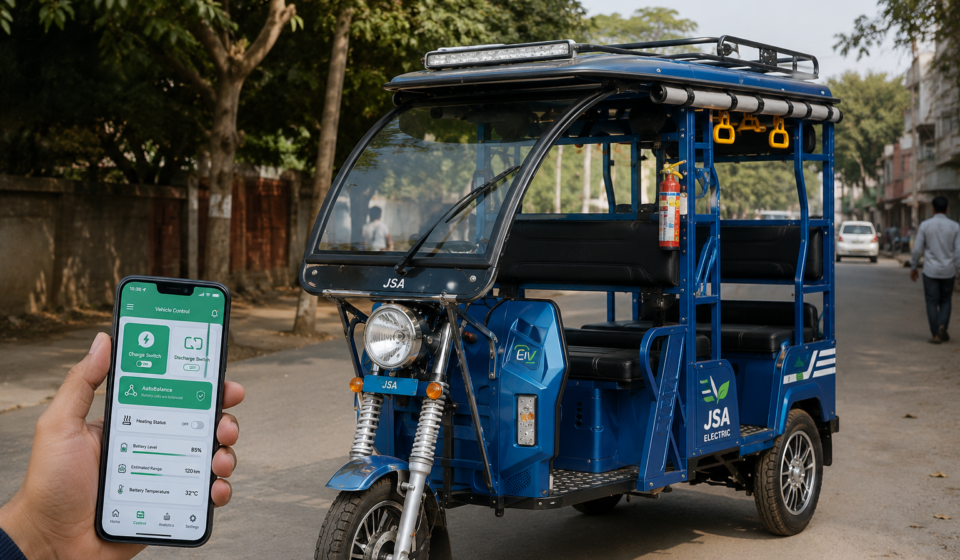
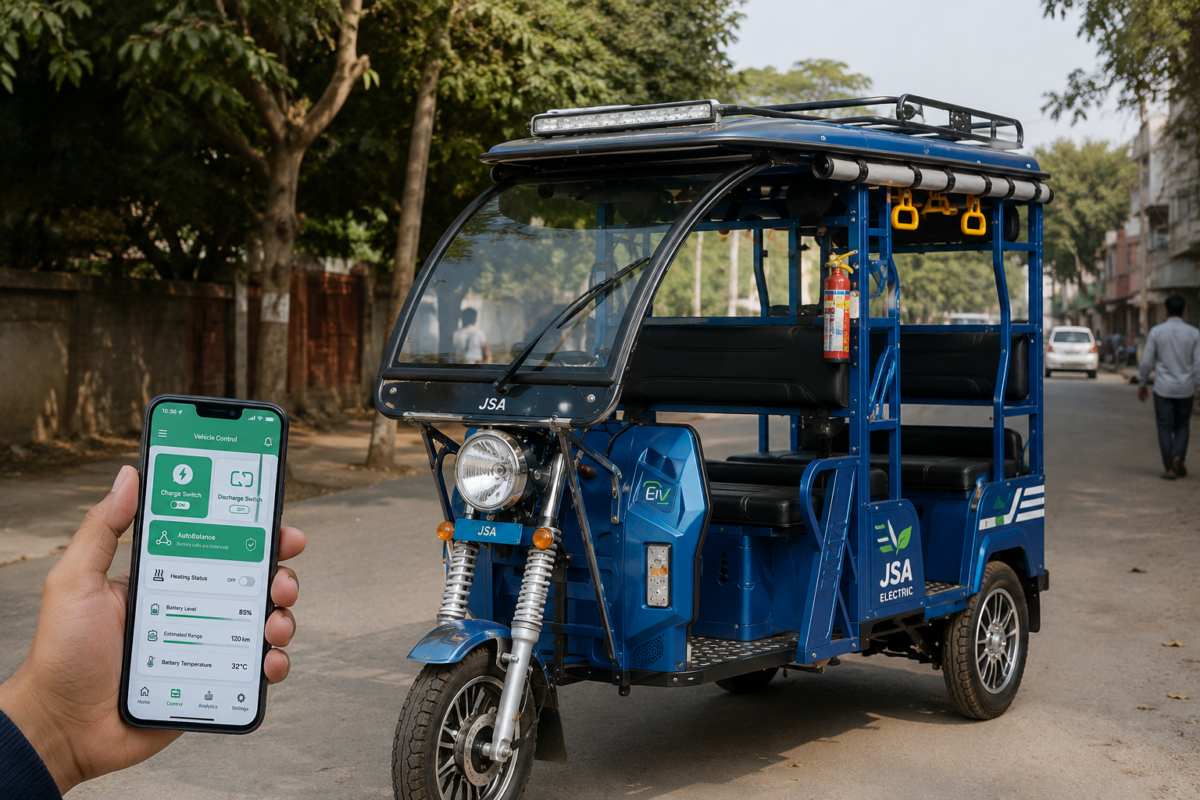
The Indian government has initiated decisive action against a peculiar digital threat, directing technology giants Apple and Google to remove seven Chinese applications from their respective app stores. This significant move follows a series of troubling incidents where pranksters remotely stalled e rickshaws, causing considerable disruption for drivers and commuters alike, according to reports from The Hindu.
These battery related applications, including one identified as BAT BMS, were reportedly exploited to remotely disable e rickshaws, profoundly impacting the livelihoods of drivers and exacerbating traffic congestion, particularly in bustling urban centers such as Delhi. The government’s swift intervention underscores a growing concern regarding digital security and its tangible effects on daily life and economic stability.
Background
For weeks, a wave of digital mischief had plagued India’s vital e rickshaw sector. Pranksters, utilizing specific battery related applications, found a way to remotely halt these electric vehicles. The method, often described as a Bluetooth hack, allowed malicious actors to interfere with the operational systems of e rickshaws, bringing them to an unexpected and often dangerous stop.
The economic repercussions for drivers were immediate and severe. Many drivers in Delhi reported a drastic fall in their daily earnings, plummeting from an average of Rs 1,000 to as little as Rs 600. This substantial reduction threatened their ability to sustain themselves and their families. Beyond the financial strain, the sudden stalling of vehicles created significant traffic disruptions, leading to confusion and potential safety hazards on busy Indian roads. Viral videos circulating online further highlighted the widespread nature of these e rickshaw disabling incidents, drawing public attention to the vulnerability of these increasingly popular modes of transport. E rickshaws represent a crucial segment of last mile connectivity and employment in India, making their operational integrity paramount.
Timeline of Events
2026-07-04 06:11:26: The story first came to light when the Indian government issued an order to Apple and Google for the immediate removal of seven Chinese battery related applications. This directive was a direct response to numerous incidents where pranksters had remotely stalled e rickshaws, severely impacting the earnings of drivers and causing considerable traffic disruptions across various cities.
Why It Matters
This episode transcends a mere technical glitch, touching upon several critical facets of India’s digital and economic landscape. Firstly, it highlights the pressing need for robust digital security protocols for smart devices and vehicles. As India increasingly adopts electric mobility and connected technologies, vulnerabilities like the one exposed by these battery apps pose significant risks to public safety and infrastructure stability. The remote disabling of e rickshaws serves as a stark reminder that digital security threats can have very real, physical consequences.
Secondly, the economic impact on e rickshaw drivers in Delhi and elsewhere is profound. These drivers, many operating on thin margins, depend on uninterrupted service for their daily income. The disruption of their earnings by malicious actors underscores the need for better safeguards and potentially, avenues for redress for those affected by such cyber pranks. The incident also showcases the government’s proactive stance in protecting its citizens and critical services from such digital threats. By moving swiftly to remove the implicated applications, the government signals its commitment to maintaining order in the digital realm and safeguarding economic stability.
Furthermore, the involvement of Chinese apps in this security breach adds another layer of complexity, resonating with broader geopolitical concerns regarding digital sovereignty and data security. It prompts a re evaluation of the due diligence required for foreign developed applications operating within India’s digital ecosystem. The incident also serves as a critical case study for urban planning and traffic management, illustrating how digital vulnerabilities can cascade into tangible urban challenges like traffic congestion and commuter inconvenience.
What Could Happen Next
Following this decisive action, several trajectories could unfold. The Indian government may intensify its scrutiny of other foreign developed applications, particularly those with access to sensitive device functionalities, to prevent similar incidents. This could lead to a more stringent regulatory framework for app permissions and data access within the country. Technology companies like Apple and Google might also reevaluate their app review processes, especially for applications that interact directly with vehicle systems or critical infrastructure components, potentially implementing stricter verification measures for such apps.
For the e rickshaw sector, there could be a push for manufacturers to integrate enhanced security features into their vehicle management systems, making them less susceptible to remote interference. Drivers and associations may advocate for compensation mechanisms or insurance policies to protect against earnings loss due to such digital attacks. Additionally, public awareness campaigns about digital safety and the responsible use of technology could be initiated to educate users about potential threats and how to mitigate them. This incident could also spark further debates and policy discussions around the broader implications of internet of things security and the responsibilities of platform providers in preventing misuse of their services.
Frequently Asked Questions
What were the specific applications removed by the government?
The Indian government ordered the removal of seven Chinese battery related applications, including one identified as BAT BMS, and other e rickshaw disabling apps from the Apple App Store and Google Play Store.
How did pranksters manage to stall e rickshaws remotely?
Pranksters reportedly utilized a Bluetooth hack through these specific battery related apps to remotely interfere with the e rickshaws’ operational systems, causing them to stall unexpectedly.
What was the impact on e rickshaw drivers’ earnings?
E rickshaw drivers in Delhi experienced a significant drop in their daily earnings, with many reporting a decrease from approximately Rs 1,000 to Rs 600, severely affecting their livelihoods.
Related Reading
- Centre Intensifies Scrutiny on Social Media Applications
- India’s Passport Ranking Dips to 125th in 2026 Global Index
- PM Modi Unveils Major Infrastructure Boost in Rajasthan, Gujarat
Official context: Readers can compare this story with public information from India.gov.in.