 In 30 Seconds




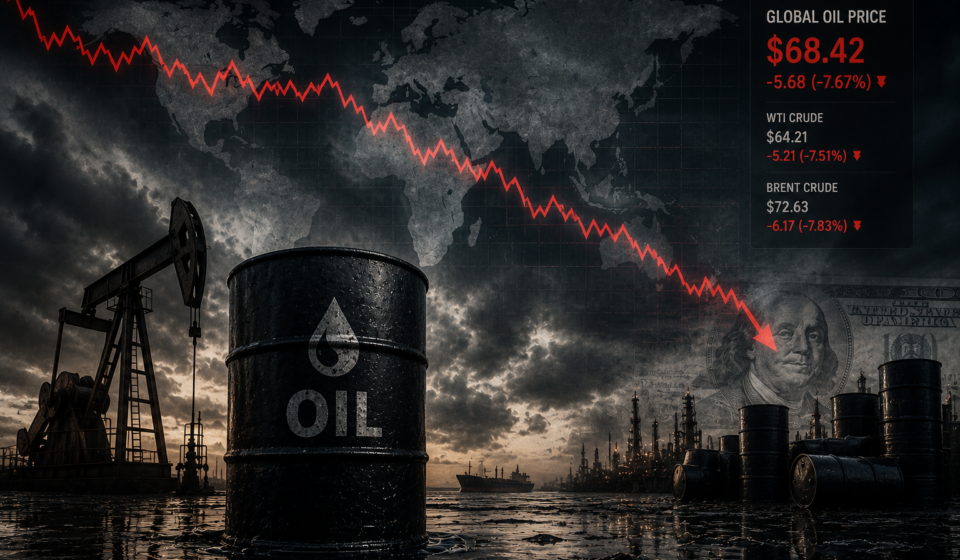
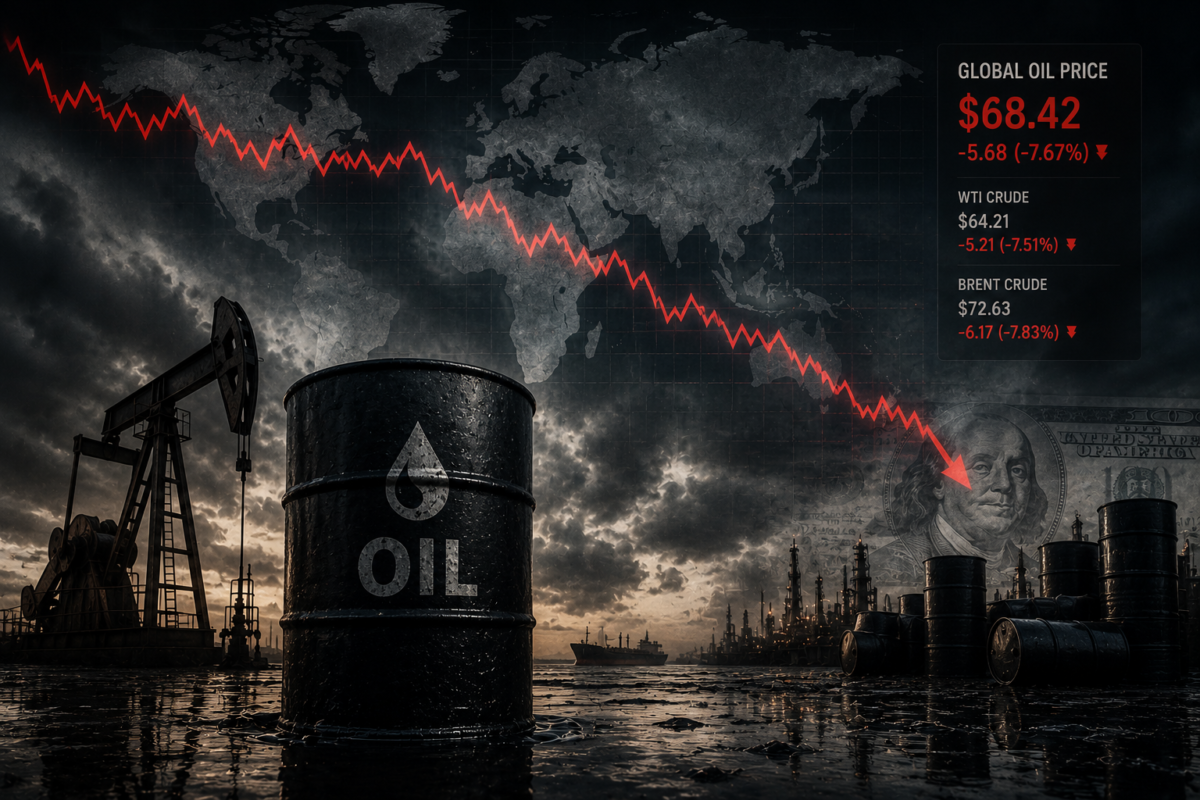
The global energy landscape is currently witnessing a significant shift as crude oil prices experience a pronounced decline, prompting a ripple of unease across international financial markets. This downturn is attributed to a burgeoning oil supply wave and a general downturn in market rates, factors collectively rekindling anxieties about a potential worldwide glut. Compounding this intricate scenario, the prospect of a US Iran deal looms large, with market participants diligently assessing the far reaching implications such an agreement could hold for global energy dynamics. According to reports circulating across prominent financial news platforms like Forex Factory, the convergence of these elements paints a complex picture for the coming months.
The prevailing sentiment among traders and analysts, as gleaned from financial news outlets such as Bloomberg.com, suggests growing apprehension regarding oversupply. A sustained period of excessive crude oil availability, coupled with diminished demand or a stagnant global economy, could exert downward pressure on prices, impacting the revenues of oil producing nations and altering investment strategies within the energy sector. This delicate balance is further complicated by geopolitical considerations, particularly the ongoing discussions between the United States and Iran, which hold the potential to unlock new supplies into the market.
Background
The journey of crude oil prices has historically been marked by periods of intense volatility, often responding sharply to geopolitical shifts, economic cycles, and fundamental changes in supply and demand. What the markets are currently observing is reminiscent of past episodes where a surge in supply, perhaps driven by technological advancements or strategic decisions by major producers, overwhelms existing demand. Such scenarios frequently lead to a global glut, a condition characterized by an abundance of crude oil in storage, struggling to find buyers at profitable prices.
The concept of an oil shock typically refers to a sudden and significant change in the price of oil, which can have profound effects on the global economy. While the immediate term might suggest a beneficial outcome for oil consuming nations through lower fuel costs, a prolonged or severe price decline can destabilize oil producing economies. This in turn could impact global financial stability and trade relationships. The current downturn, described by some as an oil supply wave, signals a market grappling with an influx of product at a time when underlying demand may not be robust enough to absorb it without significant price adjustments.
The intricate interplay of supply side economics and geopolitical developments is never more apparent than in the discussions surrounding Iran. As a significant player in the global oil market, Iran’s potential re entry into unfettered oil exports following a comprehensive deal with the United States could dramatically alter the supply demand equilibrium. Market watchers from outlets like OilPrice.com have long highlighted how even the anticipation of such a deal can influence trading behaviors, leading to speculation and price fluctuations. The current environment embodies these factors, presenting a multifaceted challenge for market stability.
Timeline of Events
The pivotal moment marking the convergence of these critical factors emerged around July 5, 2026. On this date, reports began to solidify the emerging narrative of declining global crude oil prices. Sources such as News On AIR and Forex Factory highlighted the increasing visibility of an oil supply wave. This period saw market analysts and financial journalists articulate growing concerns about a tumbling price environment, intensifying fears of an impending global glut.
Simultaneously, discussions around a potential deal between the United States and Iran gained significant traction within financial discourse. This development added another layer of complexity to the already volatile oil market. It was around this time that the full spectrum of implications stemming from a prospective US Iran agreement began to be earnestly contemplated by market participants. The reporting on July 5, 2026, therefore, served as a crucial juncture, formalizing the market’s recognition of these intertwined forces driving the direction of global crude oil.
Why It Matters
The current trajectory of global crude oil prices carries immense significance, resonating far beyond the confines of energy trading floors. For oil exporting nations, a sustained period of declining prices directly translates into reduced national revenues, potentially straining public budgets and hindering development projects. Countries heavily reliant on oil exports face the difficult challenge of re calibrating their economic forecasts and fiscal policies in response to such market shifts. Conversely, oil importing nations might initially welcome lower prices, seeing a reduction in fuel costs for consumers and industries, which could offer a temporary boost to economic activity. However, prolonged instability or extreme price swings can also deter investment and create uncertainty.
Furthermore, the renewed apprehension about a global glut affects investment decisions across the entire energy sector. Companies might defer exploration projects, curtail production, or reassess capital expenditures in an environment where future profitability appears uncertain. This can have long term ramifications for future energy supply and global energy security. According to analyses from financial institutions like UBS, such market conditions necessitate careful strategic planning by energy firms and policymakers alike to mitigate potential risks.
The geopolitical dimension, particularly the potential US Iran deal, is equally crucial. A successful agreement could lead to the lifting of sanctions, allowing Iran to significantly increase its oil exports. While this would add more crude to an already saturated market, exacerbating the glut, it could also represent a step towards greater regional stability. However, the exact timing and scope of any potential agreement remain uncertain, leaving markets to grapple with speculation and its inherent volatility. The outcome of these negotiations will undoubtedly shape not only the future of oil prices but also the broader geopolitical landscape in the Middle East, influencing alliances and power dynamics.
What Could Happen Next
The path forward for global crude oil prices remains fraught with uncertainty, hinging on a delicate interplay of supply side factors, demand dynamics, and geopolitical developments. Should the current oil supply wave persist or even intensify, without a corresponding surge in global demand, further price declines are a distinct possibility. The full impact of a global glut has yet to manifest, and its deepening could lead to storage capacity issues and increased competition among producers.
A critical determinant will be the progression of negotiations between the United States and Iran. If a comprehensive deal materializes, leading to the prompt reintegration of Iranian crude into the global market, the pressure on prices could intensify. Conversely, any setbacks or delays in these discussions might temporarily alleviate some of the downward pressure, as the anticipated additional supply would be held back. Market participants will be closely watching for any official pronouncements or leaks related to these high stakes diplomatic efforts.
Major oil producing cartels, such as OPEC+, could also play a significant role. Faced with a persistent glut and falling prices, these groups might consider production cuts to stabilize the market. However, reaching consensus among diverse member states often presents its own challenges. Moreover, the long term strategies of individual nations, particularly those looking to maximize market share, could influence the effectiveness of any coordinated efforts. Businesses within the energy sector, from exploration and production companies to refiners, will likely adapt by revisiting their hedging strategies, optimizing operational costs, and carefully managing inventory levels in anticipation of continued market fluidity.
Frequently Asked Questions
What is a global oil glut?
A global oil glut occurs when the supply of crude oil significantly exceeds the global demand for it. This imbalance leads to an accumulation of oil in storage facilities and puts considerable downward pressure on market prices. Factors contributing to a glut often include increased production, reduced consumption due to economic slowdowns, or a combination of both.
How does a US Iran deal affect oil prices?
A potential deal between the United States and Iran could lead to the lifting of sanctions on Iran’s oil exports. If sanctions are removed, Iran, a major oil producer, would be able to significantly increase its crude oil output and sell it on the international market. This additional supply would further contribute to the existing global crude oil supply, potentially exacerbating an oversupply situation and leading to lower prices.
What is causing the current decline in crude oil prices?
The current decline in crude oil prices is primarily driven by two key factors: an expanding oil supply wave and a general downturn in market rates. There is a sense of increased availability of crude oil in the global market. Furthermore, the anticipation and implications of a potential US Iran deal, which could introduce more Iranian oil into the global supply, are also weighing heavily on market sentiment, contributing to the downward price movement.
Related Reading
- Centre Intensifies Scrutiny on Social Media Applications
- India’s Passport Ranking Dips to 125th in 2026 Global Index
- Deadly Hodeidah Clashes Ignite Fears of Wider Yemen Conflict
Official context: Readers can compare this story with public information from India.gov.in.