 In 30 Seconds




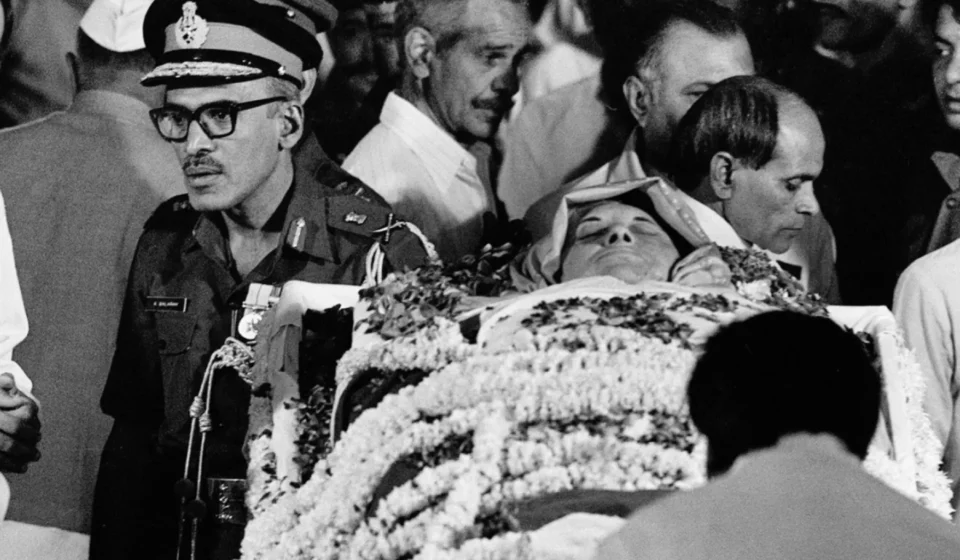
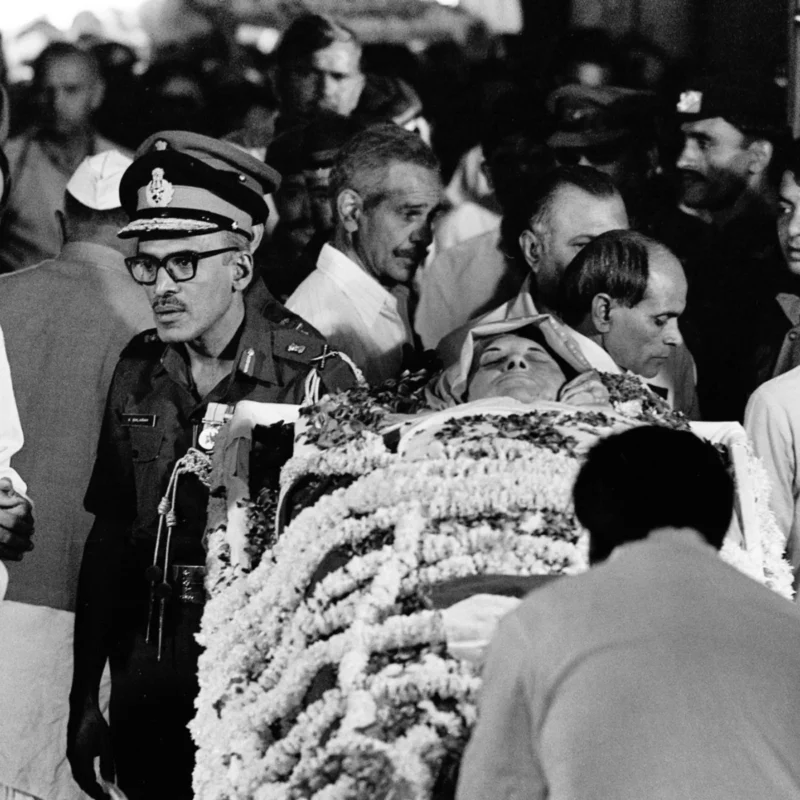
On the morning of October 31, 1984, Prime Minister Indira Gandhi walked from her residence toward an interview appointment and was shot dead by two of her own bodyguards, Beant Singh and Satwant Singh, both Sikhs, in an act they framed as vengeance for Operation Blue Star. Within hours, and for the next three days, Sikhs across Delhi and in cities beyond were hunted, burned, and butchered in a slaughter whose scale, organisation, and impunity make it one of the gravest crimes in the history of the republic.
The Assassination
Beant Singh was killed on the spot by other security personnel; Satwant Singh survived to stand trial and was hanged in 1989 along with the conspirator Kehar Singh, whose conviction on the evidence available remains debated by jurists. The prime minister had been warned to remove Sikh guards from her detail after June 1984 and is reported to have refused, unwilling to signal distrust of a community. Whatever else is said of Indira Gandhi in this series, and her government’s decisions run through its darkest chapters, she died for a decision of inclusion.
Three Days of Slaughter
What followed was not a riot, if a riot means spontaneous fury. The evidence assembled over four decades by inquiry commissions, journalists, and court proceedings describes something more organised: mobs supplied with voter lists and school registers identifying Sikh homes, armed with iron rods and, in accounts recorded by investigators, supplied with kerosene and a white inflammable powder, moving through Delhi’s colonies with method. Sikh men were dragged out, beaten, garlanded with tyres and burned alive. Homes and gurdwaras were torched. Women were assaulted; official and unofficial records alike document rapes whose survivors waited decades for acknowledgment. The official toll in Delhi alone was 2,733 dead, with independent estimates for the country running above three thousand, concentrated in poor colonies like Trilokpuri, where hundreds died in a single block.
The role of Congress politicians in directing mobs was alleged from the first days and pursued through ten inquiry commissions. The Nanavati Commission recorded evidence against party figures. Decades later, in 2018, the Congress leader Sajjan Kumar was convicted by the Delhi High Court and sentenced to life imprisonment for his role in the killings, the court observing that the violence had been a crime against humanity enabled by political patronage and police indifference. Other accused died undisturbed by justice across the intervening years. The police, the commissions found, largely stood aside, and in recorded instances disarmed Sikhs who attempted defence.
The Language of Aftershocks
The new prime minister, Rajiv Gandhi, speaking weeks later, offered the sentence that has followed his memory since, remarking that when a big tree falls, the earth shakes. The election that followed in December 1984 returned the Congress with the largest majority in Indian history, a verdict delivered by a country in shock and, for Sikhs, a confirmation that their grief carried no electoral weight. Not one significant conviction would arrive for over two decades.
What November Did to Punjab
For the insurgency, November 1984 was the recruitment poster Operation Blue Star had begun. Thousands of Sikh families fled Delhi and other cities for Punjab, carrying testimony of burned husbands and sons. Young men who had watched the state’s guardians stand aside while their community burned drew the conclusion the militants offered them: that Sikhs would only be safe with power of their own. The declaration of Khalistan in 1986, the swelling of the militant groups, and the decade of blood that followed all drew moral fuel from those three days. The victims of the militancy’s own massacres, recorded later in this series, were in this sense also among November’s casualties.
The carnage of 1984 is often called anti Sikh riots. The words are too small. What Delhi witnessed was a pogrom, organised, patronised, and forgiven by the machinery of a democratic state. Until that is said plainly, and taught plainly, the ledger of Punjab’s dark years cannot be honestly kept, and this series intends to keep it honestly.
Related Reading
- The Killing Fields of Majha: Tarn Taran and Amritsar in the Late 1980s
- The Bus Massacres: When the Militancy Turned Its Guns on Passengers
- The Air India Kanishka Bombing: Terror Crosses the Ocean
Official context: Readers can compare this story with public information from India.gov.in.
Origins and Escalation
Part 10 of 10 in this chapter.