 In 30 Seconds




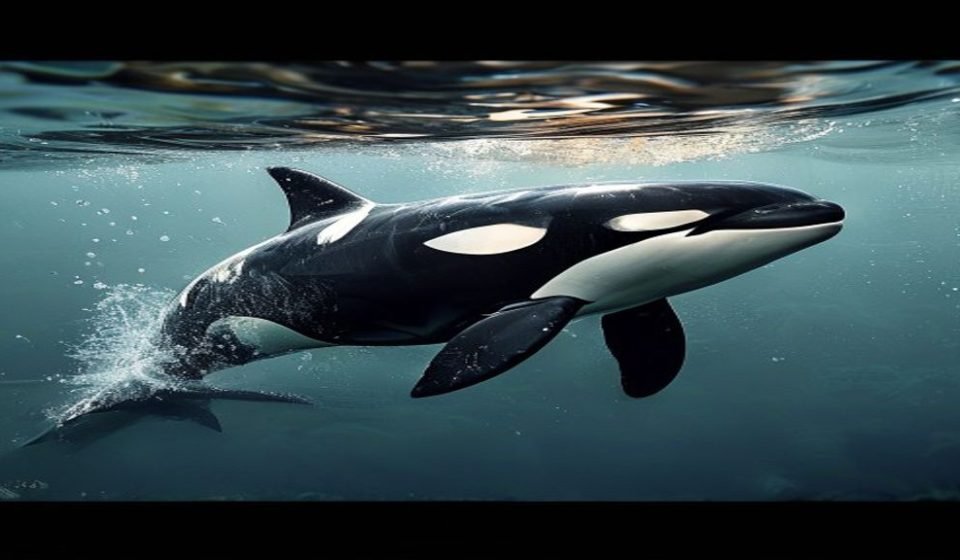
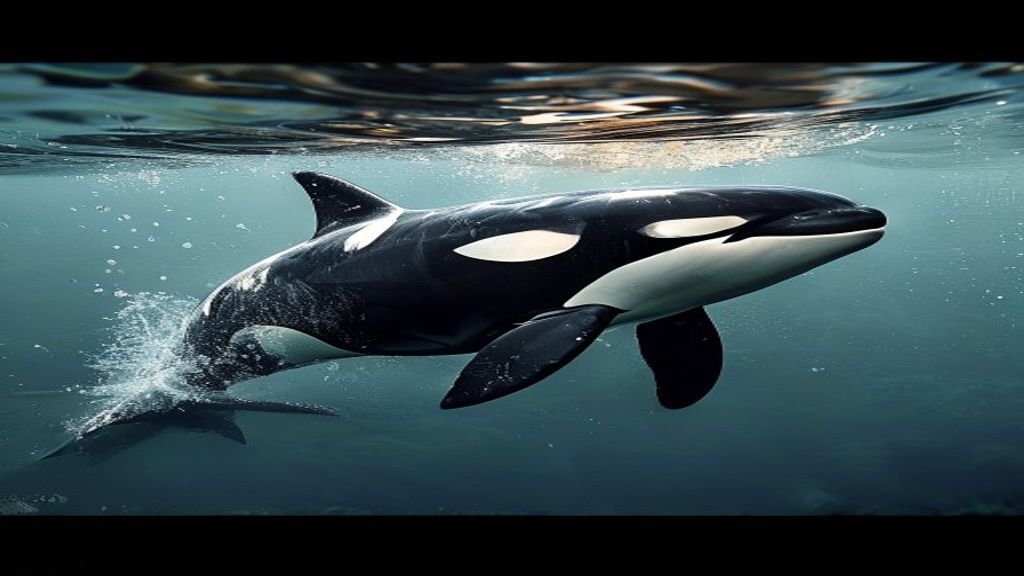
The extraordinary and profoundly moving story of Tahlequah, an orca whale whose maternal devotion in the face of tragedy captivated the world, continues to resonate deeply within scientific and public consciousness. Reports emerging on July 21, 2026, including dispatches from publications like The Times of India, brought this poignant narrative to light. Tahlequah became globally recognized for her unwavering act of carrying her deceased calf, an extended display of mourning termed a ‘tour of grief’. This singular event transcended mere observation, evolving into a powerful symbol of complex animal emotion and an urgent call for greater understanding and protection of marine life.
Her story, detailed across various news outlets, underscored the intricate social structures and emotional depth inherent in species often viewed through a detached scientific lens. The prolonged journey of grief undertaken by Tahlequah served as a compelling, if heartbreaking, illustration of mammalian bereavement, inviting humanity to reflect upon its own connections with the natural world and the profound bonds shared across species. This narrative, far from being a fleeting news item, is poised to leave a lasting impression on discussions surrounding animal welfare, marine conservation, and the ethical responsibilities humanity bears towards the planet’s diverse inhabitants.
Background
Orca whales, also known as killer whales, are apex predators renowned for their remarkable intelligence, sophisticated social structures, and complex communication methods. These highly social marine mammals live in matrilineal pods, where family bonds are paramount and often extend across generations. Their cognitive abilities are comparable to those of great apes, and their intricate cultures are passed down through learned behaviors, including hunting techniques and vocal dialects. It is within this framework of deep familial connection and advanced intelligence that Tahlequah’s story gains its immense significance.
The concept of animal grief, while long observed anecdotally, has gained increasing scientific attention in recent decades. Researchers have documented instances of mourning behaviors in various species, including elephants, primates, and dolphins. These behaviors often involve remaining near the deceased, attempting to revive them, or exhibiting signs of distress. Tahlequah’s particular display, a sustained effort to carry her dead calf over a considerable period, provided an unusually compelling and widely witnessed example of such profound emotional response in the wild. This act challenged conventional understandings of non human emotion, prompting a re evaluation of how empathy and sorrow manifest beyond human experience. The designation of her journey as a ‘tour of grief’ by early reports, highlighted by outlets such as The Times of India, succinctly captured the enduring nature of her maternal devotion and sorrow.
This event provided not just a snapshot of individual suffering, but a window into the broader emotional landscape of these magnificent creatures. It forced a global audience to confront the reality that marine animals, particularly those as intelligent and social as orcas, experience a spectrum of emotions that include loss and profound sadness. Such powerful imagery often catalyzes public interest and concern, drawing attention to the broader challenges faced by orca populations and their fragile marine habitats.
Timeline of Events
2026-07-21: Reports began to widely circulate, bringing the deeply affecting story of an orca whale named Tahlequah into international public consciousness. Publications, including The Times of India, detailed her unprecedented and prolonged act of carrying her dead calf, a heartbreaking maternal vigil that was quickly dubbed a ‘tour of grief’. These initial dispatches highlighted the emotional resonance of her actions, marking the moment her story became a global focal point for discussions on animal behavior, grief, and marine conservation. The widespread reporting of this event ensured that Tahlequah’s unique display of sorrow reached an expansive audience, igniting empathy and prompting reflection across diverse communities.
Why It Matters
Tahlequah’s poignant story matters for several critical reasons, extending far beyond the immediate sadness it evokes. Firstly, it offers invaluable insights into the complex emotional lives of marine mammals. Her ‘tour of grief’ provided a vivid and undeniable testament to the profound capacity for sorrow and maternal devotion in orca whales, challenging anthropocentric views that often downplay the emotional intelligence of non human species. This singular event has enriched the scientific understanding of animal behavior, contributing significantly to ethology and our appreciation for the intricate mental worlds of ocean inhabitants.
Secondly, the widespread dissemination of Tahlequah’s narrative has served as a powerful catalyst for marine conservation efforts. Such emotionally charged stories humanize wildlife, fostering a deeper sense of empathy and connection among the public. This increased emotional engagement often translates into greater public support for conservation initiatives, funding for research, and advocacy for stronger environmental protections. For orcas, whose populations face threats from habitat degradation, prey depletion, and noise pollution, Tahlequah’s journey became a symbol of their vulnerability and the urgent need for human intervention to safeguard their future.
Thirdly, her story has had a significant societal impact, sparking global conversations about our ethical responsibilities towards the natural world. It encourages a collective introspection on humanity’s footprint on marine ecosystems and the consequences of environmental damage. When an orca’s grief becomes a global headline, it underscores the interconnectedness of all life and the shared planet we inhabit. This broader societal discussion can drive changes in consumer behavior, inspire policy reforms, and foster a more compassionate approach to wildlife management.
Finally, Tahlequah’s experience has created an enduring cultural touchstone. Like other iconic animal stories, her ‘tour of grief’ will likely be remembered as a significant moment in the public’s understanding of animal sentience. It will continue to be referenced in educational contexts, environmental campaigns, and philosophical debates, ensuring its long lasting influence on how future generations perceive and interact with marine life. This single, heart wrenching display of maternal love and loss has therefore become a powerful testament to the intricate beauty and vulnerability of our planet’s oceans and the incredible creatures that call them home.
What Could Happen Next
The profound impact of Tahlequah’s ‘tour of grief’ is likely to manifest in several meaningful developments. Scientifically, this highly publicized event could spur increased funding and focus on researching cetacean emotions and bereavement behaviors. Researchers may deploy advanced monitoring technologies to better understand the social and psychological impacts of loss within orca pods, providing invaluable data that deepens our knowledge of these intelligent creatures. This could lead to new theories and perspectives on animal consciousness and emotional complexity, moving beyond anecdotal evidence to more rigorous empirical study.
From a conservation standpoint, Tahlequah’s story is poised to serve as an enduring symbol for marine protection. Advocacy groups are expected to leverage her powerful narrative to amplify campaigns against threats like ocean noise, which disrupts orca communication and hunting, and prey depletion, which impacts their food security. This heightened public awareness may pressure governments and international bodies to enact more stringent environmental regulations, expand marine protected areas, and invest in sustainable fishing practices. The emotional resonance of her journey could galvanize a new wave of environmental activism, inspiring individuals to take direct action in support of ocean health.
Furthermore, the widespread empathy generated by Tahlequah’s plight could influence educational curricula globally. Incorporating her story into environmental studies and biology lessons could foster greater ecological literacy and a deeper sense of stewardship among younger generations. It provides a compelling, real world example of animal sentience and the interconnectedness of ecosystems, encouraging a more holistic understanding of our planet.
Culturally, Tahlequah’s ‘tour of grief’ may continue to be referenced in art, literature, and media, becoming a powerful metaphor for loss, resilience, and the universal experience of mourning. Her story could inspire creative works that explore themes of environmentalism and animal rights, keeping her legacy alive and ensuring its continued influence on public discourse. This ongoing cultural presence would reinforce the narrative’s importance, reminding humanity of its profound connection to the natural world and the moral imperatives that arise from it.
Frequently Asked Questions
Who is Tahlequah?
Tahlequah is an orca whale who gained international attention for an extraordinary act of maternal grief. She was observed carrying her deceased calf for an extended period, a poignant display of mourning that captivated observers and scientists worldwide.
What is a ‘tour of grief’?
The term ‘tour of grief’ was coined by reports to describe Tahlequah’s sustained effort to carry her deceased offspring. It refers to her prolonged and widely observed act of keeping her dead calf afloat and with her, illustrating a profound and enduring expression of maternal loss.
Why is Tahlequah’s story significant?
Her story underscores the profound emotional capacities of marine mammals, sparking widespread empathy and highlighting critical issues surrounding animal welfare and marine conservation. It has significantly contributed to public and scientific understanding of animal grief and the urgent need to protect vulnerable marine species.