 In 30 Seconds




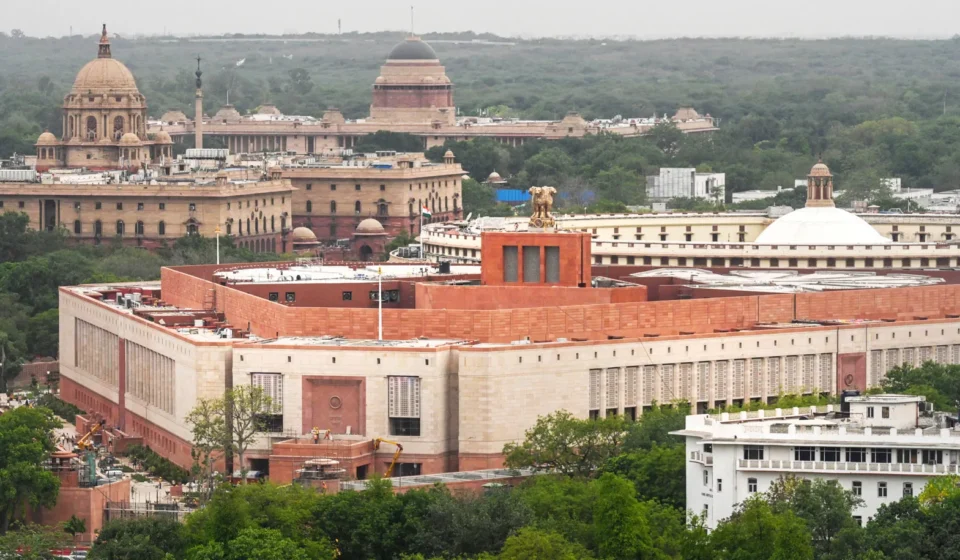
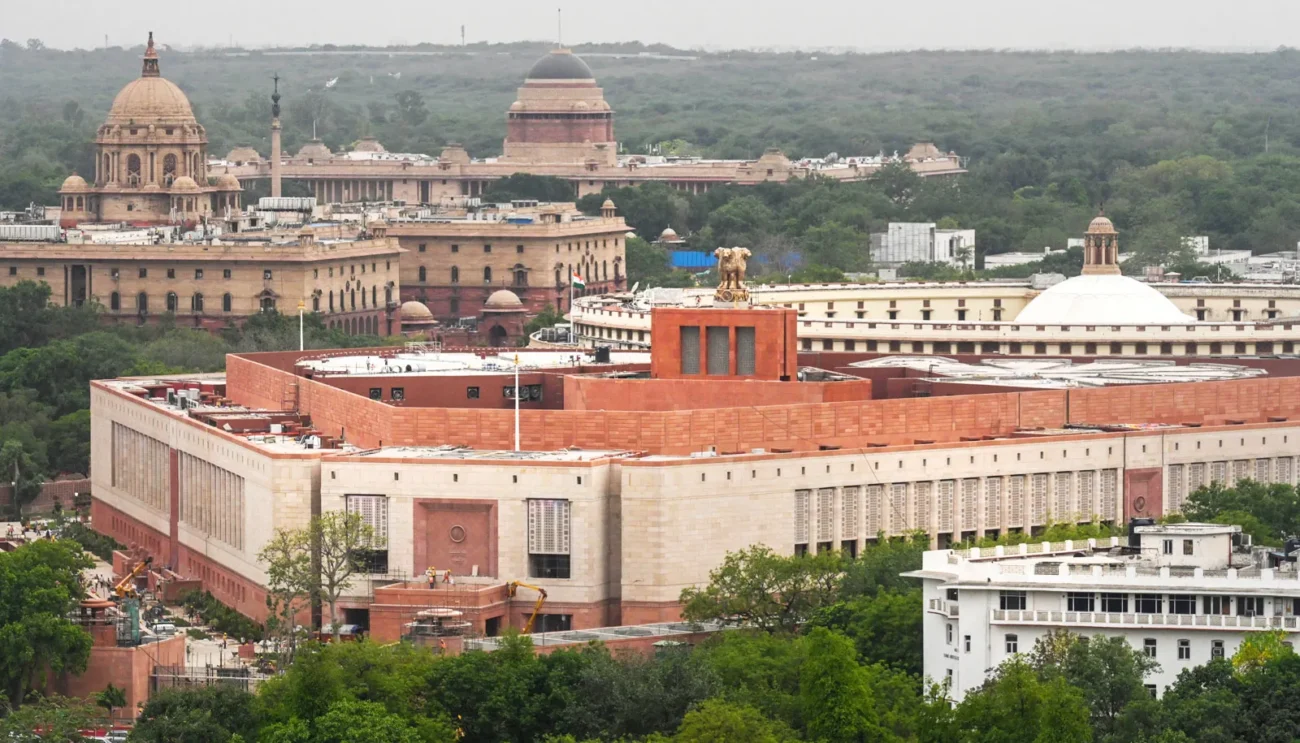
The Lok Sabha, literally the House of the People, is the lower house of India’s bicameral Parliament and the chamber most directly tied to the will of voters across the country. Understanding what the Lok Sabha is and how it functions is one of the most basic but essential building blocks for following Indian politics, since nearly every major legislative and political development in the country traces back to this single institution.
Unlike its counterpart the Rajya Sabha, whose members are elected indirectly by state legislatures, every member of the Lok Sabha is elected directly by ordinary citizens through universal adult suffrage. This direct connection to the electorate is what gives the Lok Sabha its primacy within the Indian political system, and why the party or coalition that wins a majority of its seats forms the government of the day.
How the Lok Sabha Is Structured
The Lok Sabha currently has 543 elected members, chosen from territorial constituencies spread across India’s states and union territories. The Constitution technically allows for a maximum of 550 seats, with up to 530 allocated to states and 20 to union territories, though the actual number has remained at 543 for decades. Each constituency elects one member through a first past the post system, meaning the candidate who receives the most votes in that constituency wins the seat, regardless of whether they secure an outright majority of votes cast.
Following the 2024 general election, the Bharatiya Janata Party emerged as the single largest party with 240 seats, while the Indian National Congress secured 99 seats. The BJP led National Democratic Alliance coalition crossed the required majority threshold of 272 seats with a combined total of 312, allowing it to form the government for a third consecutive term under Prime Minister Narendra Modi.
What the Lok Sabha Actually Does
The Lok Sabha’s most important function is forming and sustaining the government. The Prime Minister and the Council of Ministers are collectively responsible to this house, meaning they must retain its confidence to remain in office. If the Lok Sabha passes a no confidence motion against the government, the Prime Minister and the entire Council of Ministers are constitutionally required to resign.
Beyond government formation, the Lok Sabha holds significant legislative authority. While most bills require approval from both houses of Parliament to become law, Money Bills, which deal specifically with taxation and government expenditure, can only originate in the Lok Sabha and the Rajya Sabha has no power to reject or substantially amend them, only to offer recommendations within a fourteen day window. This asymmetry reflects a deliberate constitutional design that places ultimate financial authority in the hands of the directly elected house.
The Lok Sabha also plays the decisive role in resolving legislative deadlocks. When the two houses of Parliament disagree on an ordinary bill, the Constitution provides for a joint sitting presided over by the Speaker of the Lok Sabha, and decisions are made by simple majority. Given that the Lok Sabha typically has more than double the membership of the Rajya Sabha, this mechanism in practice tends to favour the lower house’s position.
The Role of the Speaker
Every Lok Sabha elects its own Speaker from among its members, a position currently held by Om Birla, who was re elected to the role in June 2024 for a second consecutive term. The Speaker presides over the house, maintains order during debates, and makes final decisions on procedural matters, including the contentious question of whether a member should be disqualified under India’s anti defection law. The Speaker is assisted by a Deputy Speaker, also elected from among Lok Sabha members, who takes over presiding duties when the Speaker is absent or the position is vacant.
How Long a Lok Sabha Lasts
A Lok Sabha has a standard term of five years from the date of its first sitting, unless it is dissolved earlier by the President acting on the advice of the Prime Minister, which typically happens when a government calls an early election or loses its majority. During a declared national emergency, Parliament can extend the Lok Sabha’s term by law, though only one year at a time and not beyond six months after the emergency formally ends. The current Lok Sabha, formed after the 2024 general election, is the eighteenth since India’s independence.
Why Understanding the Lok Sabha Matters
For anyone trying to follow Indian politics seriously, the Lok Sabha is the starting point. Election results that determine the Lok Sabha’s composition decide who governs India, what legislation gets prioritised, and which political coalitions hold real power for the following five years. Nearly every major political story, from budget announcements to confidence votes to landmark legislation, ultimately runs through this single chamber, making a clear understanding of how it works essential background for following Indian governance and politics with any real depth. For a deeper look at how bills actually move through both chambers, see our explainer on how Parliament works, and for official records of current members and proceedings, the Lok Sabha’s official website remains the primary public source.