
 In 30 Seconds




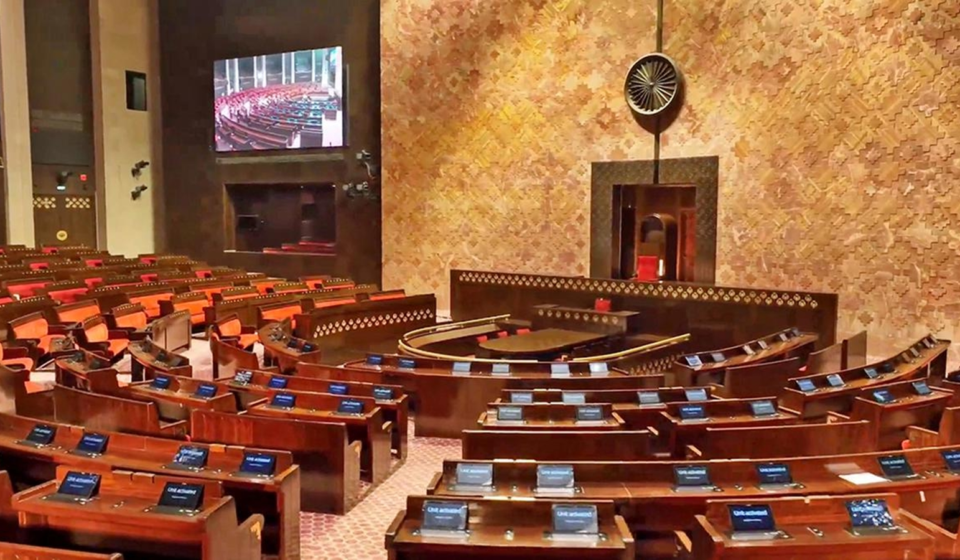
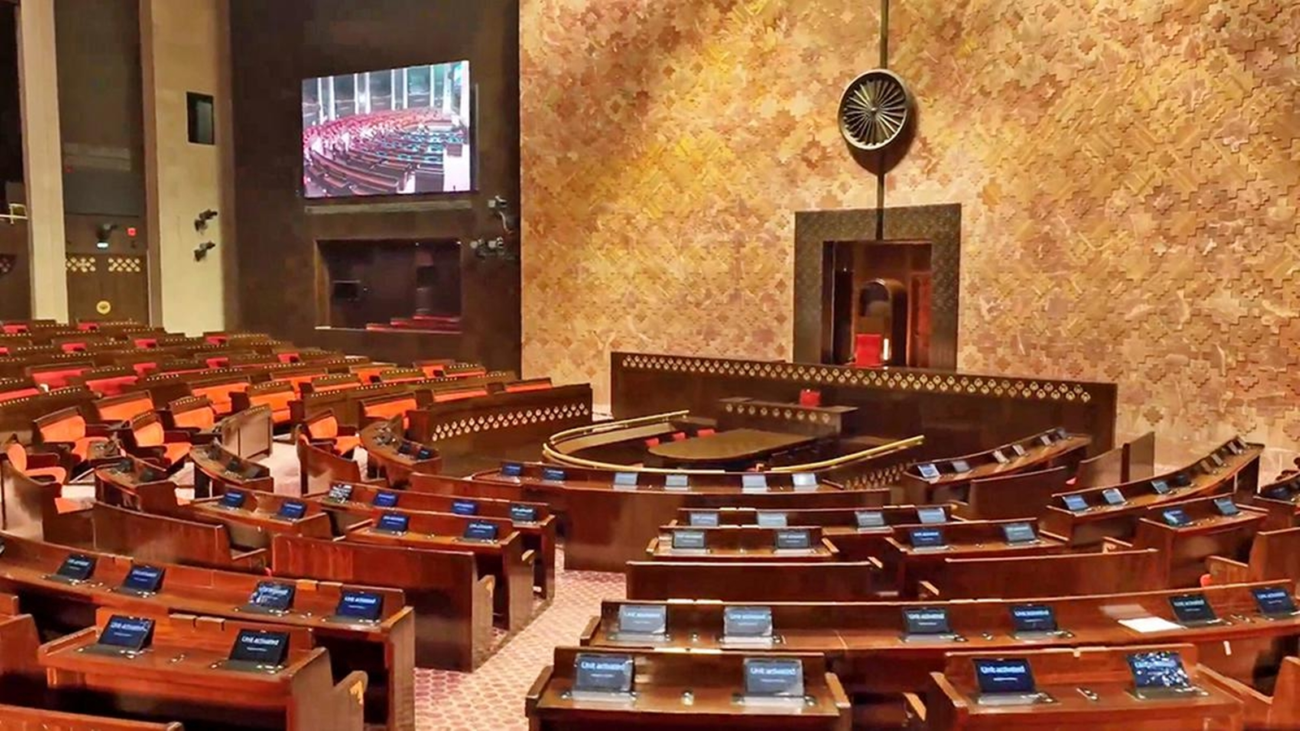
The Rajya Sabha, known formally as the Council of States, is the upper house of India’s Parliament and serves a fundamentally different purpose from its more politically dominant counterpart, the Lok Sabha. While the Lok Sabha represents the population of India directly, the Rajya Sabha exists to represent the states and union territories within the federal structure of Indian governance, making it an essential, if often less visible, part of how laws actually get made in the country.
The Rajya Sabha has a maximum strength of 250 members, of whom up to 238 represent states and union territories and 12 are nominated by the President of India in recognition of their distinguished contributions to fields such as literature, science, art and social service. Unlike Lok Sabha members, who are elected directly by voters, members representing states in the Rajya Sabha are elected indirectly by the elected members of each state’s Legislative Assembly, through a system of proportional representation using a single transferable vote.
How the Rajya Sabha Differs From the Lok Sabha
The most distinctive feature of the Rajya Sabha is that it is a permanent body and can never be dissolved entirely, unlike the Lok Sabha, which has a fixed five year term and can be dissolved earlier. Instead, one third of Rajya Sabha members retire every two years, with elections held to fill those vacated seats, ensuring continuity in the institution even as individual membership turns over gradually.
This permanence gives the Rajya Sabha a role somewhat similar to upper houses in other parliamentary democracies, intended to provide a check on hasty legislation and a forum where issues can be examined with the benefit of members who are not facing the immediate pressure of standing for re election to that specific seat on a fixed cycle. Members serve six year terms, considerably longer than the five year term Lok Sabha members typically serve before facing voters again.
What Powers the Rajya Sabha Actually Has
In most respects, the Rajya Sabha holds powers equal to the Lok Sabha when it comes to ordinary legislation. A bill, other than a Money Bill, must be passed by both houses to become law, and the Rajya Sabha can reject, amend or delay such bills, forcing genuine negotiation between the two chambers. For constitutional amendments specifically, the Rajya Sabha’s approval is just as essential as the Lok Sabha’s, requiring a special majority in both houses.
Where the Rajya Sabha’s power is genuinely limited is on Money Bills, which deal with taxation, government borrowing and expenditure from the Consolidated Fund of India. Such bills can only originate in the Lok Sabha, and the Rajya Sabha cannot reject or substantially amend them. It can only offer recommendations, which the Lok Sabha is free to accept or reject, and if the Rajya Sabha does not return a Money Bill within fourteen days, it is deemed to have been passed by both houses regardless.
The Rajya Sabha does hold one significant power the Lok Sabha lacks. Under Article 249 of the Constitution, the Rajya Sabha can, by a two thirds majority of members present and voting, pass a resolution authorising Parliament to legislate on a matter that would normally fall under the jurisdiction of state governments, a power explicitly tied to the Rajya Sabha’s role as the chamber representing the interests of the states.
The Vice President as Chairman
Unlike the Lok Sabha, which elects its own Speaker from among its members, the Rajya Sabha is presided over ex officio by the Vice President of India, who serves as its Chairman without being a member of the house. A Deputy Chairman is elected by Rajya Sabha members from among themselves to preside in the Chairman’s absence. This arrangement reflects the Rajya Sabha’s somewhat distinct constitutional character compared to the Lok Sabha.
Why the Rajya Sabha Matters Politically
Although the Lok Sabha determines which party forms the government, control of the Rajya Sabha matters enormously for any ruling party’s ability to pass legislation smoothly. A government that commands a strong majority in the Lok Sabha but lacks numbers in the Rajya Sabha can find its legislative agenda significantly slowed, since most bills require passage through both houses. This dynamic has shaped Indian political strategy for decades, with governments often needing to build coalitions or negotiate with regional parties specifically to secure Rajya Sabha numbers, separate from whatever majority they hold in the Lok Sabha.
For voters and citizens trying to understand why some legislation moves quickly while other bills stall for months or years, the composition of the Rajya Sabha, shaped by state assembly election results rather than national elections, is frequently the answer. It remains one of the more underappreciated but consequential institutions in determining the actual pace and shape of lawmaking in India. To understand exactly where the Rajya Sabha’s authority stops, see our explainer on what a Money Bill is, and for official proceedings and member details, the Rajya Sabha’s official website is the authoritative public source.