
 In 30 Seconds




In 1957, the Life Insurance Corporation of India was barely a year old. It had been created by nationalising the life insurance industry, and it held the savings of millions of ordinary Indians who had been promised that the state would guard their money better than private companies ever had. That promise made what followed all the more damaging. In June 1957, LIC invested one crore and twenty six lakh rupees in the shares of six companies belonging to a single Calcutta businessman, and it did so against the advice of its own investment committee. The businessman was Haridas Mundhra, and the transaction became independent India’s first great financial scandal.
Mundhra was a self made speculator who had built a paper empire of manufacturing and trading companies, and by 1957 that empire was wobbling. Share prices of his companies were falling, and Mundhra needed a large buyer to prop them up. The buyer turned out to be the newest and largest pool of public money in the country. The purchase was made not through the stock exchange in the normal course but as a direct deal, and it soon emerged that pressure had travelled from the Finance Ministry down to the corporation.
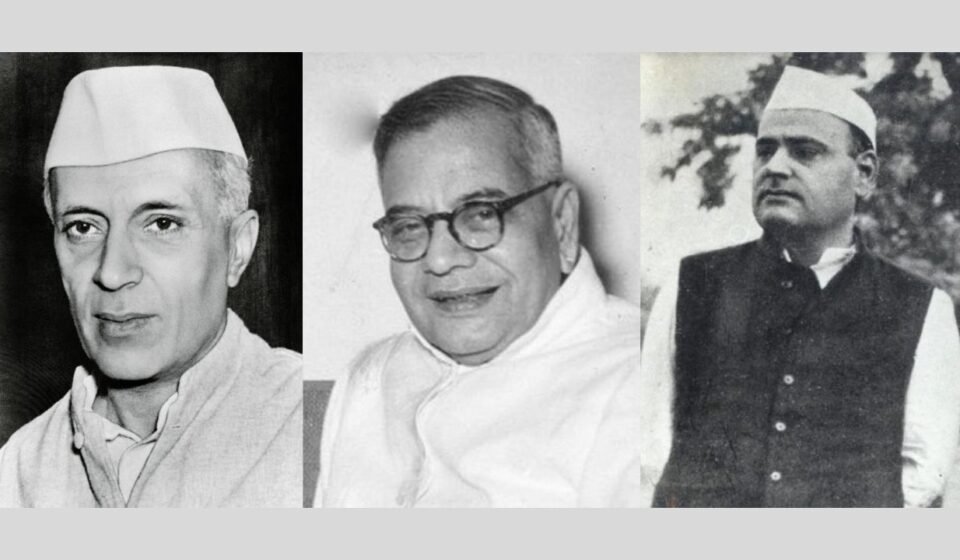
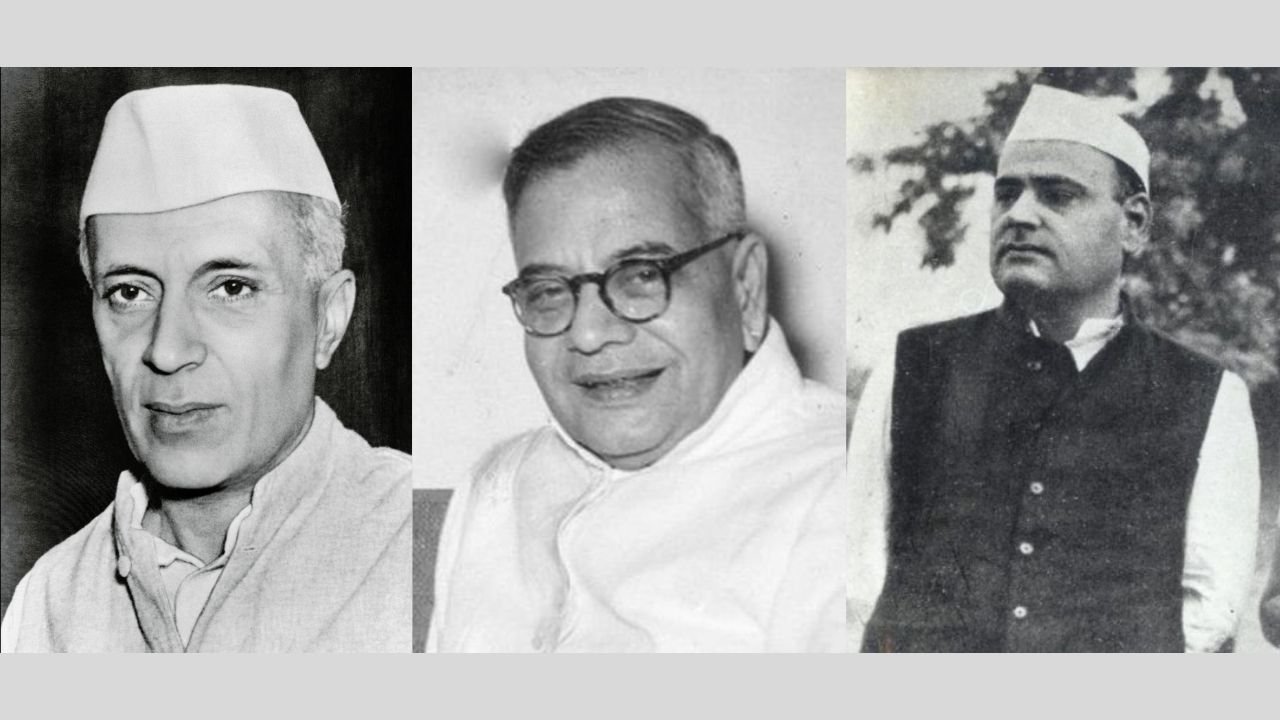
The scandal might have stayed buried in ledgers had it not been for a member of Parliament named Feroze Gandhi. The son in law of Prime Minister Jawaharlal Nehru, Feroze had built a reputation as a fearless backbencher, and in December 1957 he rose in the Lok Sabha to ask why the savings of policyholders had been used to rescue a speculator. His speech, precise and devastating, forced the government’s hand. Nehru, to his credit, did not smother the inquiry. He appointed Justice M C Chagla, the Chief Justice of the Bombay High Court, as a one man commission.
Chagla conducted the inquiry in a manner that remains a model. He held his hearings in public, reasoning that the citizen whose money was at stake had the right to watch, and crowds gathered outside the hearing venue to listen on loudspeakers. He finished in twenty four days. His report concluded that the investment had been improper, that the Finance Secretary had played a central role, and that Finance Minister T T Krishnamachari bore constitutional responsibility for what had happened in his ministry. Krishnamachari, one of the most powerful men in the cabinet, resigned in February 1958.
Mundhra himself was arrested, prosecuted for forgery and fraud in the years that followed, and sent to prison. The shares LIC had bought proved to be worth far less than what was paid, and some of the share certificates pledged by Mundhra in other dealings turned out to be forged. He remains one of the few figures in the history of Indian financial scandal who actually served substantial time.
The Mundhra affair set precedents both bright and dark. It showed that a determined parliamentarian could bring down a minister, that a judicial inquiry could be swift, public and fearless, and that ministerial responsibility could mean something. It also revealed, for the first time, the channel that would define scandals for decades to come: the quiet pressure of political power on public financial institutions. The sum involved seems quaint today. The mechanism does not.
Related Reading
- What Is Cybercrime? Common Threats and How India Responds
- The Kilvenmani Massacre: Forty Four Lives and the Price of a Wage Dispute
- The Assassination of Lalit Narayan Mishra: A Minister Dies, Questions Remain
Official context: Readers can compare this story with public information from National Crime Records Bureau.
The Foundational Era - Batch 1
Part 4 of 10 in this chapter.