 In 30 Seconds




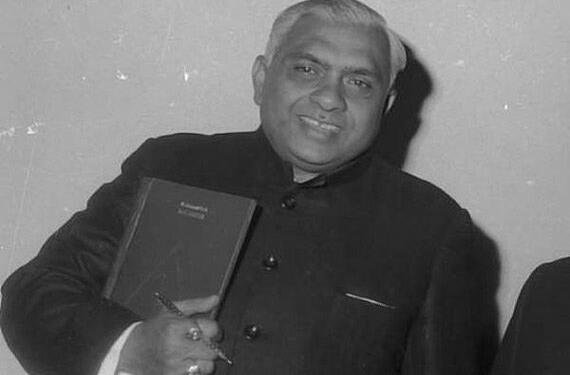
On the evening of 2 January 1975, Railway Minister Lalit Narayan Mishra stood on a dais at Samastipur railway station in Bihar, having just inaugurated a new broad gauge line. As the function wound down, a bomb exploded on the platform. Mishra, grievously wounded, was placed on a train to Danapur, a journey that consumed hours while a minister of the union government bled. He died the next morning. The questions began immediately and, in a real sense, have never stopped, because the murder of L N Mishra is that rarest of Indian cases: one with a conviction that arrived so late, thirty nine years after the crime, that the verdict itself became part of the mystery.
Mishra was no ordinary minister. He was among the most powerful figures of Indira Gandhi’s government, widely regarded as a principal fundraiser for the ruling party, and simultaneously a man under a cloud, his name attached to allegations around import licences that the opposition pursued relentlessly. He had enemies across the spectrum: political rivals, business interests, and the radical spiritual organisation Ananda Marga, which was then in open confrontation with the government over the imprisonment of its founder.
The investigation passed to the CBI, and its case settled upon Ananda Marga. The prosecution’s theory was that members of the organisation had bombed the dais to avenge their leader’s incarceration. Four men were eventually put on trial. What followed was a procedural odyssey with few parallels anywhere: the case migrated from Bihar to Delhi, witnesses numbered in the hundreds, judges changed by the dozen, and the accused grew old awaiting judgment. In December 2014, a Delhi court convicted three surviving accused and sentenced them to life imprisonment. Men who had been young when arrested heard the verdict as senior citizens.
Yet the conviction quieted almost no one, because the doubts had never been confined to defence lawyers. Mishra’s own family publicly rejected the CBI’s theory across the decades, arguing that the trail pointing towards Ananda Marga was convenient rather than convincing, and that the people with the strongest motives were closer to the structures of power the minister served. They pointed to the strange lassitude of the response on the night itself, the medical delays, the transfer of the wounded minister by slow train rather than by any faster means, and the speed with which the site was cleaned. Justice K K Mathew’s commission of inquiry, appointed after the assassination, was unable to dispel the fog. The Emergency, declared six months after the murder, buried the questions under larger ones.
Historians of the period return to the Mishra case because it sits at a hinge of the republic’s story, in the last months before constitutional democracy was suspended, involving a man who knew where the money of politics came from and where it went. The courts have given their answer, and it deserves to be recorded plainly: three men stand convicted of the crime. But few Indian cases better illustrate the difference between a verdict and an explanation, and the assassination of L N Mishra has a verdict.
Related Reading
- What Is Cybercrime? Common Threats and How India Responds
- The Kilvenmani Massacre: Forty Four Lives and the Price of a Wage Dispute
- The Nagarwala Case: The Sixty Lakh Mystery That Was Never Solved
Official context: Readers can compare this story with public information from National Crime Records Bureau.
The Foundational Era - Batch 1
Part 9 of 10 in this chapter.