 In 30 Seconds




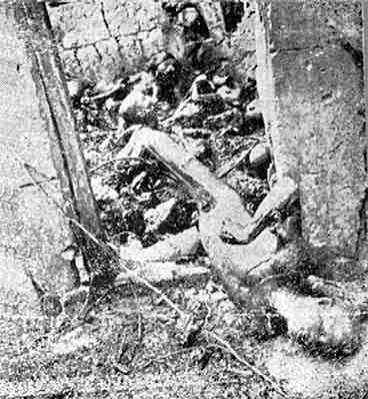
On the night of 25 December 1968, in the village of Kilvenmani in the Kaveri delta of Tamil Nadu, a hut was set on fire with people inside it. Forty four of them died, most of them women, children and the elderly, all of them Dalit agricultural labourers. They had been herded into the hut as they fled an armed attack, and the door was held shut as it burned. The Kilvenmani massacre was, at the time, the largest single atrocity against Dalits in the history of independent India, and the legal proceedings that followed taught the country a lesson about justice and caste that it has spent the decades since trying, unevenly, to unlearn.
The roots of the violence lay in the paddy fields. The delta district of Thanjavur was a landscape of large landholdings worked by landless Dalit labourers, and through the 1960s the labourers had been organising under the red flag of the communist movement, demanding an increase in the measure of paddy paid as daily wages. The landlords, organised in their own association, responded with lockouts and the import of outside labour. Tension had been building for months, with incidents on both sides, including the killing of an agent of the landlords. On the night of 25 December, a large armed party arrived in Kilvenmani in lorries. The village’s men, forewarned of such raids, largely scattered or resisted at the edges. Those who could not run, the old, the women, the children, took shelter in a hut belonging to a labourer named Ramayya. The hut was surrounded and burned.
The scale of the horror briefly united the state in revulsion. The chief minister visited, compensation was announced, and prosecutions were launched against the landlords’ party, with Gopalakrishna Naidu, the president of the landlords’ association, named as the principal accused. The sessions court convicted several of the accused. Then, in 1973, the Madras High Court acquitted the landlords, and its reasoning became infamous in the legal literature of caste. The court found it difficult to believe, among other things, that men of substantial landholding, men who owned cars and rode in them, would themselves walk into a village at night to commit arson and murder. Gentlemen of property, the logic ran, do not personally burn huts. Every one of the principal accused went free.
What the law would not deliver, the delta’s long memory eventually did, outside the law entirely. In 1980, Gopalakrishna Naidu was killed by a group of men in broad daylight, an act widely understood as retribution for Kilvenmani, and the cycle of the courts began again, this time with Dalit labourers in the dock.
Kilvenmani never became a mere local tragedy. It entered Tamil literature through the novel that became the film Kann Sivanthaal Mann Sivakkum, it entered political vocabulary as the founding atrocity that later massacres would be measured against, and it entered legal scholarship as the clearest early demonstration that the machinery of justice could look at forty four burned bodies and find no one of consequence responsible. When later governments created special laws on atrocities against Scheduled Castes, the ghost in the room was a hut in a delta village, and a High Court judgment that could not imagine gentlemen committing murder.
Related Reading
- What Is Cybercrime? Common Threats and How India Responds
- The Assassination of Lalit Narayan Mishra: A Minister Dies, Questions Remain
- The Nagarwala Case: The Sixty Lakh Mystery That Was Never Solved
Official context: Readers can compare this story with public information from National Crime Records Bureau.
The Foundational Era - Batch 1
Part 10 of 10 in this chapter.