 In 30 Seconds




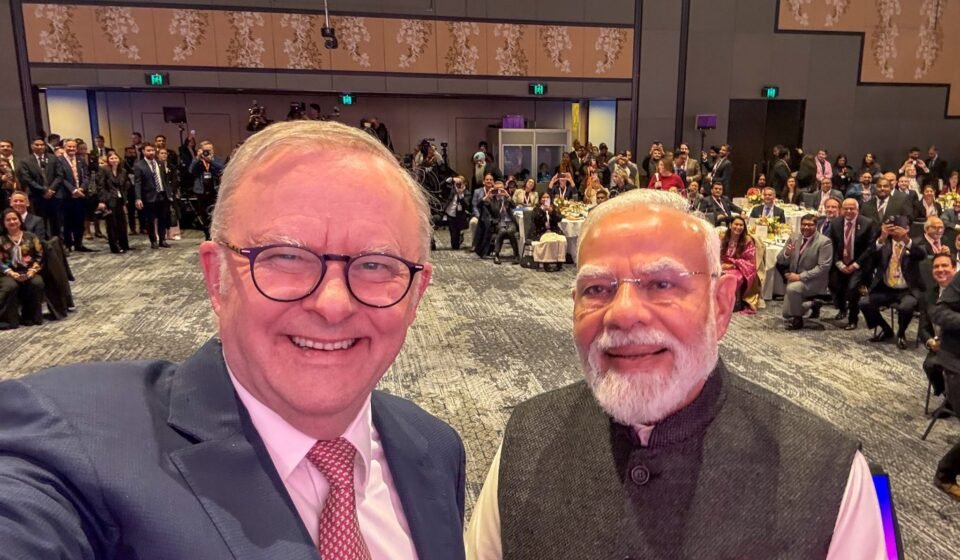
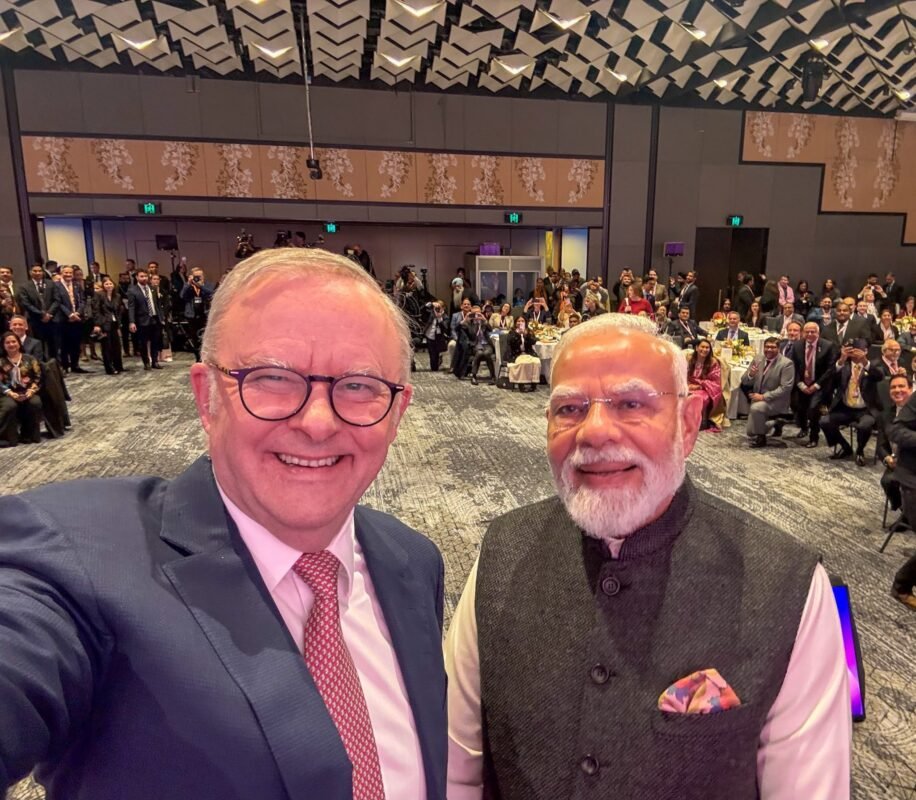
Prime Minister Narendra Modi has commenced a pivotal visit to Australia, engaging in high level discussions with his Australian counterpart, Prime Minister Anthony Albanese. The core focus of these bilateral talks revolves around a significant uranium deal and the strategic strengthening of defence cooperation between the two nations. This visit forms a crucial part of a broader three nation tour, underscoring India’s robust diplomatic outreach.
As Prime Minister Modi arrived in Australia, the anticipation for these substantive talks was palpable. The agenda is set to encompass comprehensive discussions aimed at fortifying the multifaceted relationship between India and Australia. Beyond the formal diplomatic engagements, the visit also takes place amidst reports of protests awaiting Prime Minister Modi in Australia, and concurrent reports detailing issues in the United States involving gangs targeting the Indian diaspora, highlighting broader international considerations.
Background
The relationship between India and Australia has evolved considerably in recent years, transforming into a strategic partnership underpinned by shared democratic values and a mutual interest in a free, open, and prosperous Indo Pacific region. Annual Summit talks between the leaders serve as a vital mechanism for deepening this engagement, facilitating direct dialogue on a range of bilateral and global issues. These summits provide a platform for reviewing progress across various sectors and setting new ambitious goals for cooperation.
Defence ties have emerged as a cornerstone of this evolving partnership. Both nations recognize the imperative of enhancing security cooperation in a complex geopolitical landscape. This includes potential joint exercises, intelligence sharing, and collaboration on defence technology. The discussions on defence ties during the current visit are expected to build upon existing frameworks, aiming for greater interoperability and coordinated responses to regional challenges. The uranium deal, a long standing point of interest, represents another critical dimension of the bilateral relationship, potentially addressing India’s growing energy needs while strengthening economic linkages.
Timeline of Events
The public narrative surrounding Prime Minister Modi’s significant visit to Australia began to unfold around July 8, 2026, when reports first detailed the upcoming agenda for his talks with Prime Minister Anthony Albanese. This initial reporting highlighted the crucial discussions planned regarding a potential uranium deal and the expansion of defence ties, placing these matters firmly on the diplomatic forefront.
Following these initial reports, Prime Minister Modi arrived in Australia as part of his three nation tour. His arrival marked the formal commencement of the high level engagements. The schedule included the much anticipated Annual Summit talks with Prime Minister Albanese, a forum designed for in depth bilateral discussions. During these talks, significant attention was dedicated to the proposed uranium deal between India and Australia, signaling a potential boost to India’s energy security.
Concurrently, the leaders engaged in extensive dialogue on defence ties, seeking avenues to deepen military cooperation and strategic alignment. The visit, while focused on these pivotal bilateral matters, also unfolded against a backdrop of related international developments. Reports indicated that protests were planned to coincide with Prime Minister Modi’s presence in Australia, reflecting diverse perspectives within the diaspora. Furthermore, ongoing issues in the United States concerning gangs targeting the Indian diaspora played into the broader context of discussions surrounding the global Indian community.
Why It Matters
Prime Minister Modi’s visit to Australia carries profound significance for several reasons, extending beyond the immediate bilateral agreements. Firstly, the discussions on a uranium deal are critical for India’s energy security. As a rapidly developing nation, India requires stable and secure sources of energy, and access to Australian uranium could play a substantial role in meeting its expanding power demands, particularly for its civilian nuclear program. This cooperation underscores a mutual trust and a commitment to responsible energy practices.
Secondly, the strengthening of defence ties between India and Australia is paramount for regional stability, particularly within the Indo Pacific. Both countries share concerns regarding maritime security, freedom of navigation, and the maintenance of a rules based international order. Enhanced defence cooperation can contribute significantly to deterrence, information sharing, and joint capacity building, thereby fostering a more secure and stable environment for all nations in the region. It reinforces the strategic convergence between two key players in the Indo Pacific.
Moreover, these engagements reflect a broader diplomatic strategy to build robust partnerships that can address complex global challenges, from economic resilience to security threats. The visit also provides an opportunity to discuss issues pertinent to the Indian diaspora. While the primary agenda focuses on state level cooperation, the reported protests in Australia and concerns regarding the Indian diaspora in the United States serve as important reminders of the global reach and influence of these communities, and the need for diplomatic consideration of their welfare and concerns.
What Could Happen Next
The immediate aftermath of Prime Minister Modi’s visit could see definitive announcements regarding progress on the uranium deal and enhanced defence cooperation. If the uranium deal moves towards a successful conclusion, India could secure a long term, stable supply of a critical energy resource, bolstering its nuclear power ambitions. Similarly, concrete outcomes in defence ties might include new agreements on joint military exercises, greater intelligence sharing, or collaboration on defence research and development, solidifying the strategic partnership.
Beyond the bilateral agreements, the visit is likely to further consolidate the India Australia relationship within multilateral frameworks, such as the Quad. Continued high level engagement between Prime Minister Modi and Prime Minister Albanese is expected, maintaining momentum on a variety of shared interests. The diplomatic dialogue might also extend to addressing the concerns of the Indian diaspora. While not the direct focus of the bilateral talks on uranium and defence, the public awareness of protests in Australia and issues faced by the Indian diaspora in the United States could prompt ongoing governmental attention to these matters, potentially leading to policy discussions or community engagement initiatives in the future.
Frequently Asked Questions
What are the primary objectives of PM Modi’s visit to Australia?
The principal objectives of Prime Minister Modi’s visit to Australia are to hold Annual Summit talks with Prime Minister Anthony Albanese, with a specific focus on advancing a uranium deal and strengthening bilateral defence ties. This visit is also part of a wider three nation tour, indicating broader diplomatic goals.
Why is the uranium deal significant for India?
The uranium deal holds significant importance for India as it seeks to secure a stable and reliable source of uranium for its civilian nuclear energy program. This access to a critical energy resource would support India’s growing electricity demands and contribute to its long term energy security.
How do issues concerning the Indian diaspora in the US relate to this visit?
While the primary agenda of the visit is bilateral cooperation between India and Australia, reports of gangs targeting the Indian diaspora in the United States, alongside protests awaiting Prime Minister Modi in Australia, highlight broader concerns regarding the global Indian community. These issues serve as a contextual backdrop to the visit, underscoring the international reach of diaspora related matters.