 In 30 Seconds




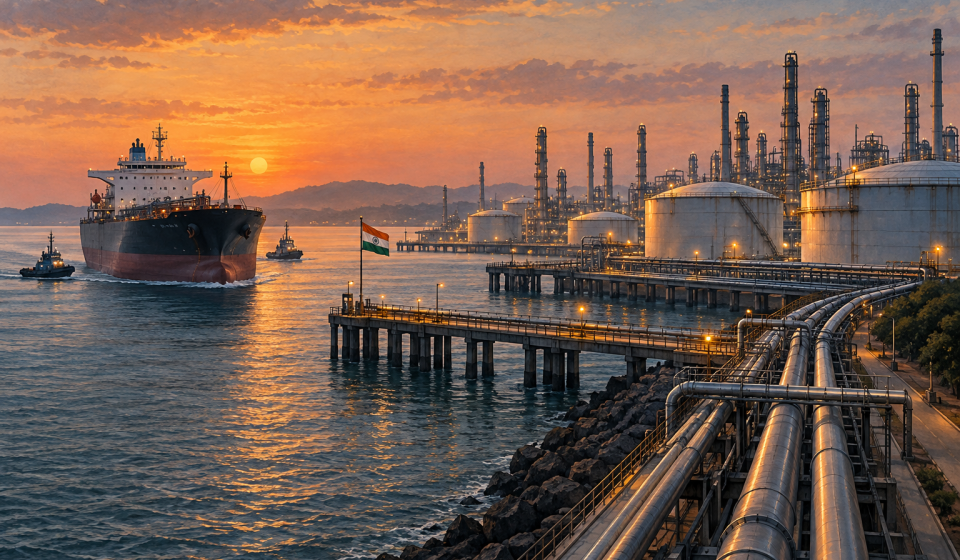
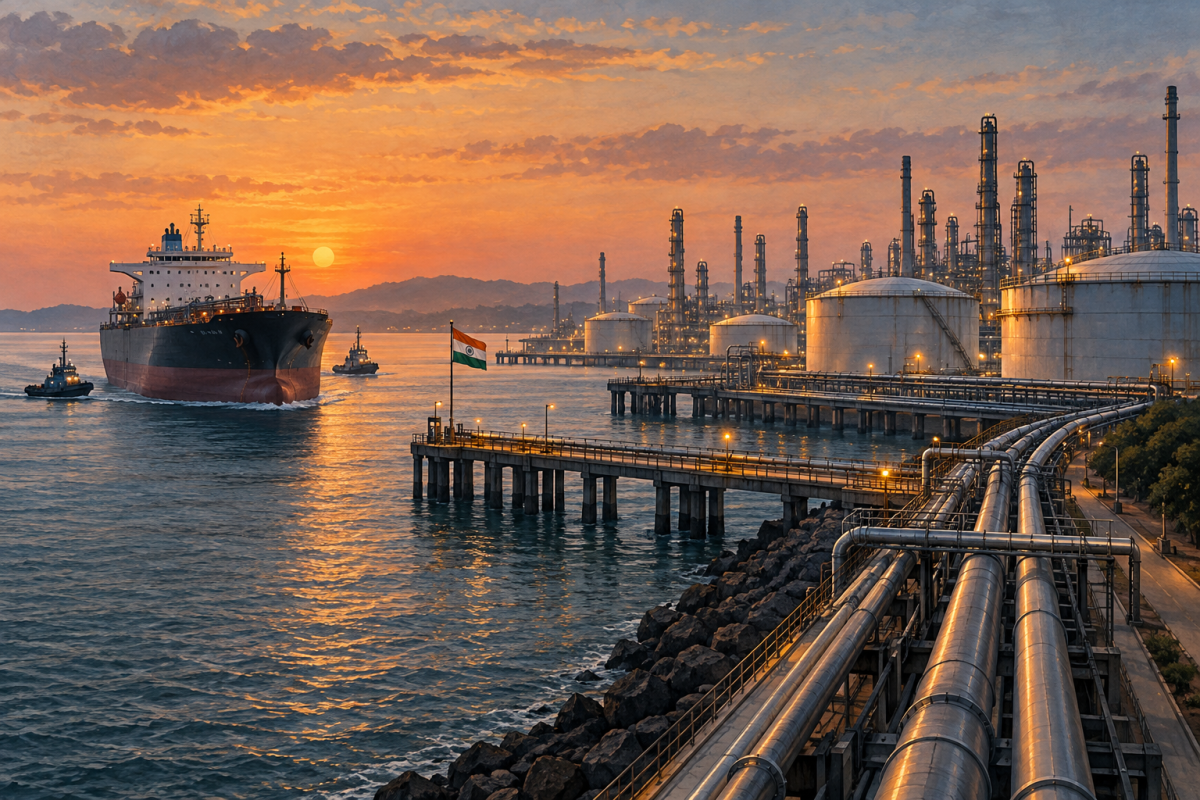
India produces only a small fraction of the oil it consumes, which means events in the Persian Gulf reach Indian households quickly. Since the war involving Iran began on February 28 and the Strait of Hormuz was closed, India has faced what some analysts call its most severe energy shock in decades. Months later, with the passage only partly open, the effects are visible in shipping bills, the currency and inflation.
How exposed is India?
India imports more than 85 percent of its oil needs, and around half of its crude imports transit through the strait, according to CNBC’s analysis from the early days of the war. Another report noted that India lost over 40 percent of its crude flows when the passage closed, leaving oil marketing companies absorbing heavy losses while the government kept pump prices artificially low to shield consumers.
The cost of getting oil home
The price of crude is only part of the story. OilPrice.com reported that freight on the key route from Ras Tanura in Saudi Arabia to India jumped by about 411 percent to $4.34 a barrel in August, compared with $0.85 before the war. War risk insurance for a single Hormuz passage has risen from about a quarter of a million dollars to as much as $10 million. India paid 60 percent more for crude imports in the April to June quarter than a year earlier, even though volumes were slightly lower.
Prices now sit uncomfortably high. One market tracker puts crude near $107 a barrel, and it also notes that the rupee has slipped past 96 to the dollar. Readers should treat any single quote as a snapshot, since prices move daily.
Three channels of pain
- Inflation. Fuel, transport and cooking gas feed into food and manufacturing costs. Retail inflation is reported at 4.82 percent and creeping higher.
- The rupee. A larger import bill widens the current account gap and pressures the currency, which in turn makes imports dearer.
- Growth. Higher costs and weaker investor sentiment weigh on India’s growth in the current fiscal year, which ends in March 2027. Equity markets have seen heavy selling.
Policy choices ahead
The government faces an uncomfortable trade off. Holding pump prices steady protects consumers but strains the finances of oil companies and the budget. Allowing prices to rise is politically costly. The Reserve Bank of India, meanwhile, must weigh growth against price stability, a debate we cover in detail in our piece on the RBI’s October decision.
India has also leaned on diversification, buying oil from suppliers whose cargoes do not need to cross Hormuz. That helps, but the surge in demand for non Gulf barrels has pushed up freight and premiums for those too. Strategic reserves, a faster shift to electric mobility, more gas pipelines, ethanol blending and renewable power all appear on the policy list, though none delivers relief this quarter.
The geopolitical link
The crisis also shapes India’s diplomacy. Washington has threatened steep tariffs on buyers of Russian oil, which complicates the very diversification India needs, as we discuss in our analysis of India US relations. The standoff between Washington and Tehran, described in our article on the talks or strikes question, will determine how long this squeeze lasts.
What households can expect
If the passage reopens in a durable way, oil prices could ease and pressure on the rupee would lessen. If not, expect more cost pass through, higher borrowing rates and a slower year. The lesson for India is old but newly urgent: energy security is economic security, and every barrel not imported is a buffer against the next shock.