 In 30 Seconds




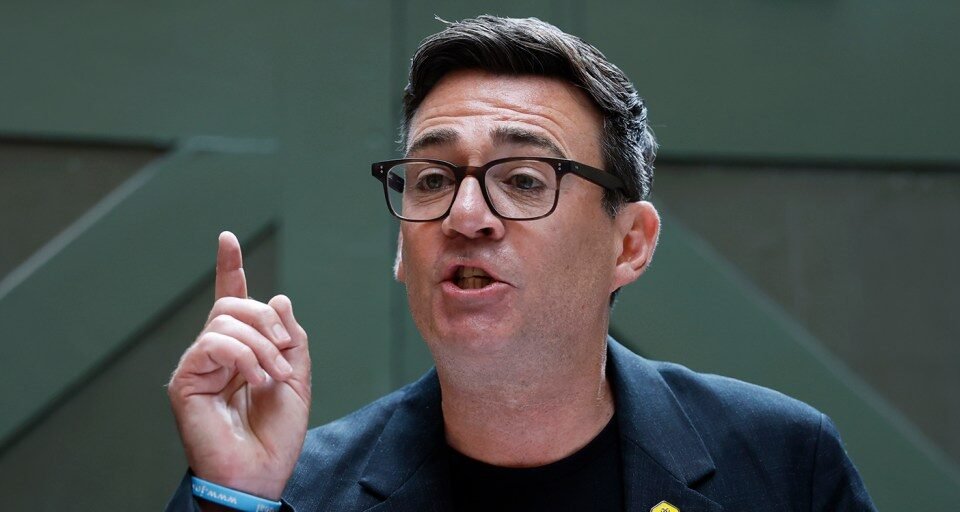
A significant development in British politics has emerged, with Andy Burnham widely reported to be on the cusp of assuming the leadership of the United Kingdom as its next Prime Minister. The unfolding situation sees Labour leadership nominations commencing, accompanied by substantial support for Mr. Burnham within his party. According to reports, a formidable 322 Labour Members of Parliament have already pledged their backing, indicating a strong consensus around his potential ascent to the nation’s highest office. This groundswell of support positions him as the frontrunner in a contest that could redefine the U.K.’s political trajectory.
The commencement of leadership nominations marks a critical juncture for the Labour Party and the broader British political landscape. Such overwhelming early endorsement from a significant majority of Labour MPs suggests a rapid and potentially unchallenged path for Mr. Burnham to secure the party’s leadership. His potential elevation to Prime Minister would naturally follow if Labour were to form the next government, an outcome that appears increasingly plausible given the current political currents and the depth of his internal party support, according to various media observations.
Background
The position of Prime Minister in the United Kingdom is a role of immense national and international significance, typically held by the leader of the political party that commands a majority in the House of Commons. When a vacancy arises in party leadership, particularly for a major party like Labour, a rigorous internal election process ensues. Candidates must secure nominations from a specified number of their parliamentary colleagues to even appear on the ballot. The fact that Andy Burnham has garnered the support of 322 Labour MPs right at the outset of the nomination period is extraordinary. This figure represents a substantial proportion of the total Labour parliamentary group, signaling a powerful mandate and a clear preference among elected representatives.
Historically, securing such widespread support early in a leadership contest often translates into an almost inevitable victory. It suggests that a broad coalition within the party sees Mr. Burnham as the individual best equipped to lead Labour and, by extension, the country. The implications for the party are profound, pointing towards a period of potential unity and a renewed sense of purpose under a leader who evidently enjoys considerable trust and confidence from his peers. This moment could mark a pivotal shift in the Labour Party’s fortunes, potentially setting the stage for a period of political dominance should they succeed in forming the next government.
Timeline of Events
On July 10, 2026, at 12:24:03, initial reports emerged detailing Andy Burnham’s strong position to become the next U.K. Prime Minister. These reports highlighted the commencement of Labour leadership nominations and the significant backing he had already received, with 322 Labour MPs publicly endorsing his candidacy. This marked the initial moment of public awareness regarding the potentially swift and decisive trajectory of the Labour leadership contest.
Why It Matters
The potential elevation of Andy Burnham to the U.K. premiership carries immense weight for several reasons. Firstly, it signals a significant shift in the nation’s political direction. A change in Prime Minister, particularly one who has garnered such widespread internal party support, often heralds new policy priorities, shifts in economic strategy, and potentially a different approach to social issues and international relations. His leadership would likely bring about a distinct agenda, reflecting the priorities and values of a united Labour Party.
Secondly, the overwhelming backing from 322 Labour MPs underscores a rare moment of unity and consensus within a major political party. This internal cohesion could provide a strong foundation for a future government, enabling it to pursue its agenda with fewer internal distractions and a clearer mandate. Such unity is often a powerful asset in navigating the complexities of governance and implementing significant reforms. It suggests that Labour, under Mr. Burnham, might present a formidable and unified front to the electorate and in the halls of power.
Lastly, for the U.K. as a whole, a new Prime Minister can bring renewed optimism or apprehension, depending on political leanings. It could signal a fresh start for the country, offering a different vision for its future challenges, from economic stability to global standing. The change at the top of government impacts every citizen, influencing everything from public services to the nation’s role on the world stage, making this development a critically important one to observe.
What Could Happen Next
With Labour leadership nominations now open and Andy Burnham having secured such a dominant level of support, several immediate possibilities emerge. The most likely scenario involves Mr. Burnham progressing through the leadership contest with considerable momentum, potentially discouraging other contenders from even entering the race or significantly diminishing their chances if they do. His strong mandate from the parliamentary party could lead to a swift resolution of the leadership election.
Once elected as the leader of the Labour Party, Mr. Burnham’s path to becoming Prime Minister would depend on the broader political context. If a general election were to be called, either through a parliamentary vote of no confidence or at the end of a fixed term, he would then lead Labour into that contest. Should Labour emerge as the party with the most seats and be able to form a government, either with an outright majority or in a coalition, he would then be invited by the monarch to form a government and assume the premiership. The current internal party dynamics suggest a strong position for Labour to contend effectively in any forthcoming national election under his stewardship.
Furthermore, his clear mandate could enable him to immediately begin shaping the party’s policy platform and preparing for the responsibilities of government. This could involve appointing a shadow cabinet, articulating key policy proposals, and engaging with stakeholders across various sectors to build support for Labour’s vision. The coming weeks and months will be crucial in observing how this significant internal party support translates into broader electoral strategy and national political influence.
Frequently Asked Questions
Who is Andy Burnham in the context of this report?
Andy Burnham is a prominent figure within the Labour Party who, according to widespread reports, is currently on the verge of becoming the next Prime Minister of the United Kingdom. He has demonstrated significant internal party support, securing endorsements from 322 Labour Members of Parliament as leadership nominations begin.
What does “on the verge of becoming U.K. Prime Minister” imply?
This phrase indicates that Andy Burnham is in a very strong and highly probable position to assume the premiership. It suggests he has overcome significant hurdles, specifically garnering overwhelming parliamentary support within his party, making his ultimate ascent to the top leadership role appear imminent, contingent on the formal processes of leadership selection and potentially a general election.
How does a party leader typically become the U.K. Prime Minister?
In the United Kingdom, the leader of the political party that wins a majority of seats in a general election typically becomes the Prime Minister. If no single party achieves an outright majority, the leader of the party best able to form a governing coalition or secure a vote of confidence in the House of Commons is usually invited by the monarch to form a government. Andy Burnham’s current position suggests he is very likely to secure Labour’s leadership, setting the stage for him to become Prime Minister should Labour win the next general election or form a government.