
 In 30 Seconds




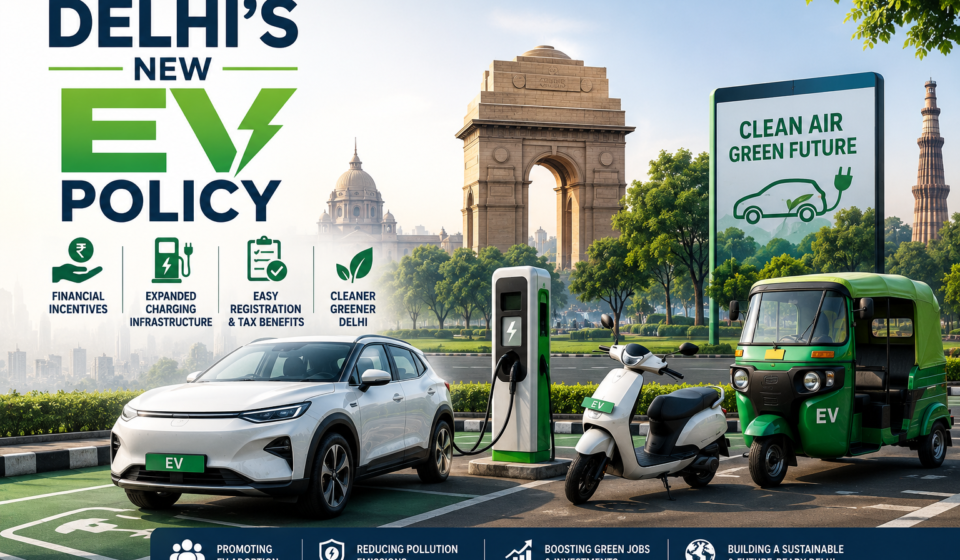
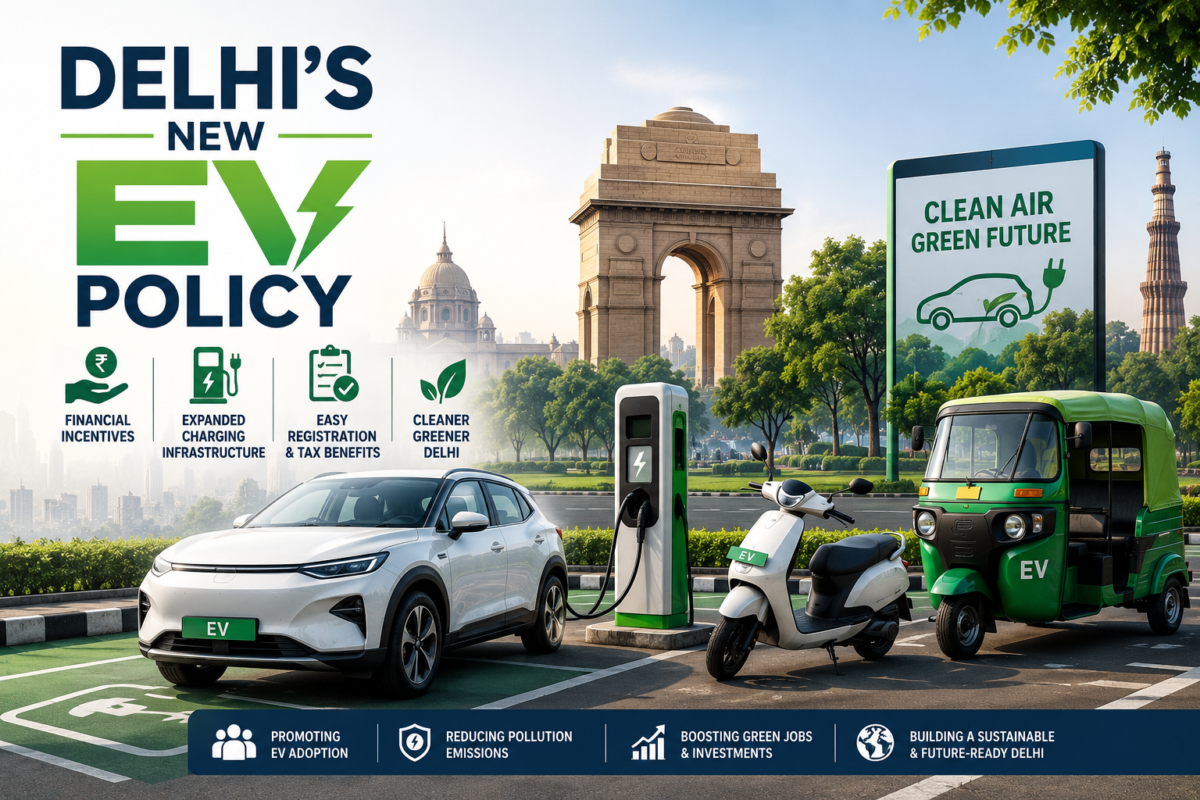
Delhi's Cabinet has approved a new electric vehicle policy that came into effect on July 1 2026, and this one is considerably more ambitious than the incentive driven approach the city tried back in 2020. Chief Minister Rekha Gupta described it as long overdue, and the numbers behind it back up that claim. The government has committed more than 7,000 crore rupees over the next four years, with officials estimating the total benefit to residents, once tax exemptions and infrastructure spending are counted, could cross 15,000 crore rupees.
What Changes Immediately
The most direct benefit lands on anyone buying an electric car priced up to 30 lakh rupees, who will now get a full 100 percent exemption on both road tax and registration fees. For two wheelers, buyers can claim a purchase incentive of up to 30,000 rupees, while three wheeler buyers are eligible for up to 50,000 rupees and buyers of small electric goods vehicles can receive as much as 1 lakh rupees. All of these incentives are meant to be transferred directly into buyers' bank accounts rather than adjusted at the dealership, which should, at least on paper, reduce the friction and paperwork that often discourages people from actually claiming government subsidies.
The policy also rewards people scrapping old polluting vehicles. Someone who scraps an eligible older petrol or diesel car and buys a new electric one in its place can claim a scrappage incentive of up to 1 lakh rupees, while two wheeler owners get 10,000 rupees and auto rickshaw owners can receive 25,000 rupees. There is a catch worth knowing about though, vehicles bought using these government subsidies come with a three year lock in period during which they cannot be transferred or registered in another state, a clause clearly designed to prevent people from gaming the incentive and reselling quickly across state lines.
The Bigger Structural Shift
What makes this policy genuinely different from Delhi's earlier attempt is that it moves beyond pure incentives into mandatory phased electrification. From January 1 2027, only electric auto rickshaws and small electric goods carriers will be eligible for new registration in the city, meaning anyone wanting to buy a new three wheeler after that date will simply have no petrol or CNG option available to them. The rule then extends to two wheelers from April 1 2028, when new petrol and CNG scooters and motorcycles stop being registrable altogether. Existing petrol and CNG vehicles already on the road are not affected by any of this and can continue running as before, so this is a rule about what can be newly registered, not a ban on what people already own.
To support all this, the government plans to install more than 30,000 EV charging points across the city over the policy period, spread across metro stations, residential colonies, commercial districts and major roads through a mix of public and private investment. There is also a specific push around school transport, with a target of converting ten percent of school bus fleets to electric within two years, twenty percent within three years, and thirty percent by March 2030.
The Political Back And Forth
Predictably, the policy has become something of a political football. The BJP government under Rekha Gupta has framed it as a historic step toward cleaner air. The opposition AAP has pushed back hard, arguing the policy is largely a repackaging of work already started under the previous Kejriwal government, pointing out that Delhi had already become one of the largest EV markets globally under the earlier framework. Congress, meanwhile, has flagged a genuine and often overlooked concern, the question of what happens to the batteries from all these new electric vehicles once they eventually wear out, and whether Delhi has any real plan for safe battery disposal and recycling at the scale this policy is aiming for.
For ordinary Delhi residents, the practical questions that matter most are simpler. If you are planning to buy a new vehicle in the near future, checking whether it qualifies for these exemptions before you finalise a purchase could save a meaningful amount of money. The policy still needs final sign off from the Lieutenant Governor before every provision becomes fully operational, so some details around implementation timelines may shift slightly in the coming weeks, but the broad direction, more incentives now and fewer petrol options later, is very much locked in.
Related Reading
- Centre Intensifies Scrutiny on Social Media Applications
- India’s Passport Ranking Dips to 125th in 2026 Global Index
- India Orders Removal of Battery Apps After E-Rickshaw Stalling
Official context: Readers can compare this story with public information from India.gov.in.