 In 30 Seconds




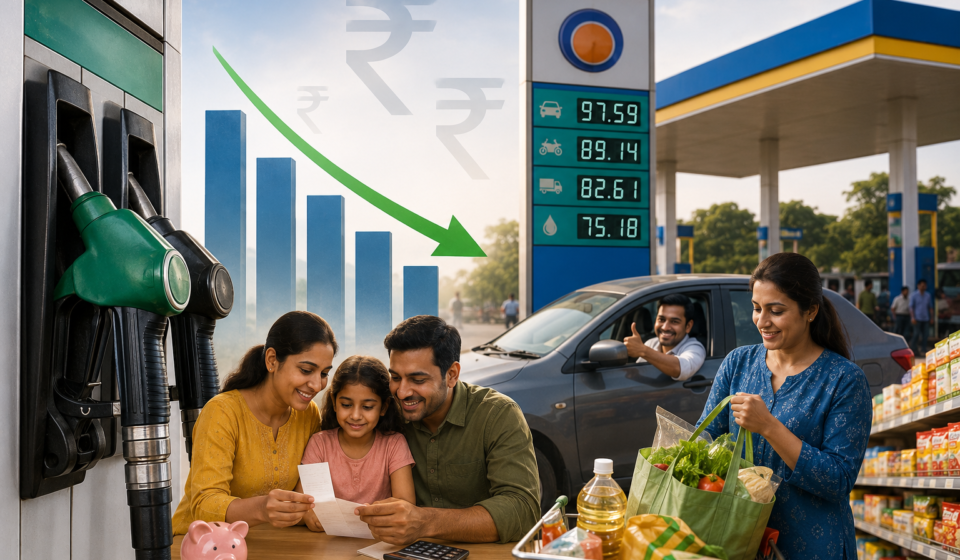
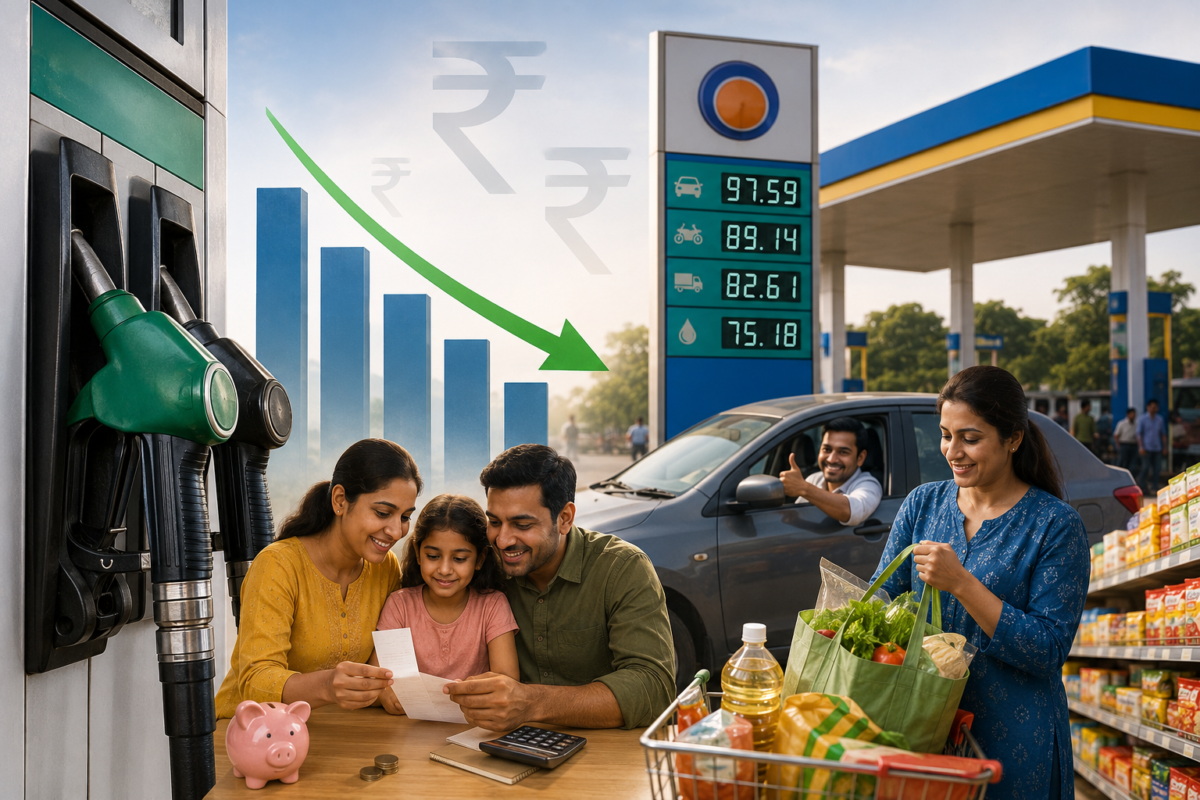
For the first time in more than two years, a fuel retailer in India has actually cut pump prices rather than raised them. Nayara Energy, the country's largest private fuel retailer, lowered petrol prices by 5 rupees a litre and diesel by 3 rupees a litre across its more than 7,000 outlets nationwide, reversing a price increase it had imposed earlier this year when tensions in West Asia sent crude oil prices climbing.
Why Prices Are Coming Down Now
The move traces directly back to global crude oil markets. Hostilities in West Asia had pushed international oil prices sharply higher for months, driven largely by fears over the Strait of Hormuz, the narrow shipping channel that carries close to a fifth of the world's crude oil supply. When tensions eased and that route reopened for normal traffic, crude prices retreated, and Nayara, being a private company that adjusts its pump prices more frequently in response to actual market movements, was the first to pass the benefit on to Indian consumers.
It is worth remembering the sequence here. Back in March, when the Iran conflict first spiked fears of a supply disruption, Nayara had been among the earliest retailers to raise prices, lifting petrol by 5.30 rupees and diesel by 3 rupees per litre. This latest cut effectively reverses that earlier increase and brings prices roughly back to where they stood before the crisis began.
Why State Owned Companies Have Not Followed
Here is where things get interesting for anyone filling up at a regular Indian Oil, Bharat Petroleum or Hindustan Petroleum pump, because as of now, none of the big three state owned companies, which together run more than 90 percent of India's fuel stations, have announced any matching price cut. In Delhi, petrol at Indian Oil outlets continues to sell at 102.12 rupees a litre and diesel at 95.20 rupees, unchanged despite the softer global crude backdrop.
This gap exists because state owned oil marketing companies in India tend to move prices more cautiously and less frequently than private players, often absorbing short term volatility rather than passing every fluctuation straight to consumers. It also reflects a degree of coordination with government expectations around price stability, particularly since these companies operate under closer public scrutiny. Whether IOC, BPCL and HPCL eventually follow Nayara's lead will depend on how durable this dip in global crude prices turns out to be, and industry watchers are treating Nayara's move as an early signal rather than a guarantee that broader relief is imminent.
The Bigger Picture On Nayara's Growth
This price move also lands at a moment when Nayara has been expanding aggressively. The company recently crossed 7,000 petrol pumps nationwide, adding more than 500 new outlets in just eighteen months, close to one new station opening every single day. Roughly a third of these outlets sit in what the company calls hinterland areas, regions where fuel infrastructure has historically lagged behind the big cities, suggesting Nayara has been deliberately chasing growth in underserved markets rather than only competing in saturated metro corridors.
Nayara operates the Vadinar refinery in Gujarat, India's second largest single site refinery, with an annual capacity of 20 million tonnes that accounts for roughly 8 percent of the country's total refining output. Russia's Rosneft remains the single largest shareholder in the company, holding just under half the equity, a relationship that has occasionally drawn scrutiny given European Union sanctions targeting some of Nayara's export activity.
What Consumers Should Actually Expect
For most Indian drivers, the near term takeaway is simple. If you happen to fill up at a Nayara pump, you are already paying a bit less than you were last week. If you rely on Indian Oil, Bharat Petroleum or Hindustan Petroleum, which covers the overwhelming majority of the country, the price at your local pump has not moved yet. Whether that changes will hinge largely on how stable the ceasefire dynamics in West Asia prove to be over the coming weeks, and whether global crude prices continue drifting lower or snap back if tensions flare again. Either way, this is the clearest sign in over two years that Indian fuel prices are capable of moving in the consumer's favour, even if that relief is currently limited to one corner of the market.
Related Reading
- Centre Intensifies Scrutiny on Social Media Applications
- India’s Passport Ranking Dips to 125th in 2026 Global Index
- India Orders Removal of Battery Apps After E-Rickshaw Stalling
Official context: Readers can compare this story with public information from India.gov.in.