 In 30 Seconds




India China thaw analysis: This news analysis explains India China thaw analysis for readers searching for clear, current and useful context from an India-focused global news outlet.
India China thaw analysis: key context for readers
The reason India China thaw analysis matters is that it connects headline developments with policy choices, markets, technology, diplomacy and the way India is understood by audiences in the West. This article keeps the search intent simple: what happened, why it matters, and what readers should watch next.
In focus: India China thaw. This analysis explains why India China thaw matters for readers in India and the West, and how it connects to policy, markets, technology or diplomacy.
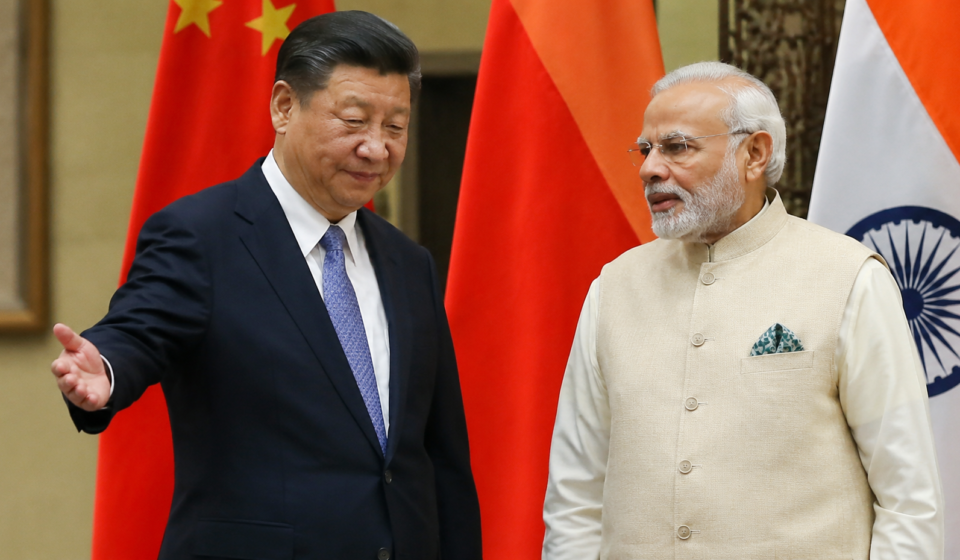
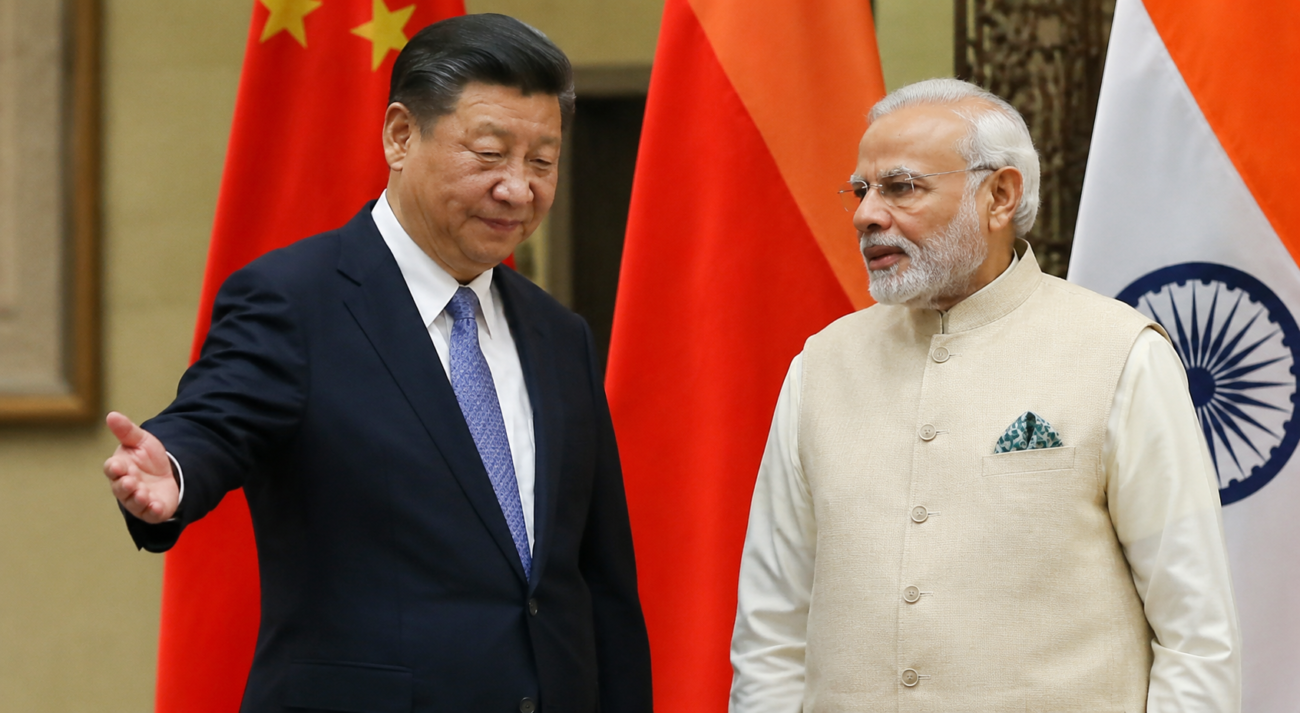
There is a temptation, when two governments that were recently adversarial start holding regular, polite, well attended meetings, to read the meetings themselves as evidence of genuine trust. India’s evolving relationship with China over the past two years offers a useful corrective to that temptation, because the meetings have indeed become regular and polite, while the underlying suspicion between the two countries has barely moved.
The latest such meeting, the thirty fifth session of the Working Mechanism for Consultation and Coordination on Border Affairs, took place in Beijing on May 27, with India’s delegation led by Joint Secretary Sujit Ghosh and China’s by Hou Yanqi, director general for boundary and oceanic affairs at the Chinese foreign ministry. The official language emerging from both sides afterward was almost interchangeable, references to constructive dialogue, a practical and friendly atmosphere, and satisfaction with the maintenance of peace along the border. This is diplomatic boilerplate, useful for signalling that a relationship is being managed rather than ignored, but it tells you very little about whether either side has actually shifted its underlying position on the issues that matter.
What the talks did surface, beyond the boilerplate, is a concrete and so far unmet Indian request, for an early meeting of the Expert Level Mechanism on Trans Border Rivers, the body responsible for data sharing on waterways including the Brahmaputra, which originates in Tibet as the Yarlung Tsangpo before crossing into Indian territory. China’s continued construction of a large dam on the Yarlung Tsangpo has been a persistent point of friction precisely because it sits at the intersection of two things India cares about deeply and has limited leverage over, water security for a river system that supports tens of millions of people downstream, and a broader unease about China’s willingness to take unilateral action on shared resources without meaningful consultation. No date for a follow up meeting on this specific issue was announced after the May talks, which is itself a small but telling data point about where Beijing’s actual priorities in this relationship currently sit.
Diplomatic and academic analysis of the relationship through this year has converged on a fairly consistent reading, that 2025 represented the thaw reaching its natural ceiling, with the easier confidence building steps, restored direct flights, eased visa restrictions, a general softening of public rhetoric, mostly already completed, while the genuinely difficult underlying disputes, an actual settlement of the disputed boundary, a more balanced trade relationship, and resolution of the water sharing question, remain essentially untouched. The thaw’s resilience through the May 2025 India Pakistan conflict, during which China provided Pakistan with military, intelligence and political support against India, is frequently cited as proof that both governments are genuinely committed to keeping the relationship stable. It is worth noting that surviving a crisis without abandoning diplomacy is a meaningfully lower bar than actually resolving the disputes that make the relationship fragile in the first place.
The practical takeaway for anyone trying to understand where India China relations actually stand is to separate two things that easily get conflated, the frequency and tone of diplomatic contact, which has genuinely improved, and the substance of what that contact has produced, which remains thin. India would be well served by continuing to engage, since disengagement has historically made these disputes harder rather than easier to manage. It would be poorly served by mistaking the warmth of the conversation for a softening of the underlying strategic competition that continues to shape how both countries plan their defence posture, their regional alliances and their long term economic relationship, largely independent of whatever language the joint statements happen to use.
Why this matters for India and the West
For Indian readers, this story matters because it connects to national interest, economic security, technology access or India as a force in a changing world. For readers in the West, it offers a clearer view of India as an active decision maker in global affairs.
Key takeaways
- Main search intent: India China thaw.
- India angle: the issue can affect policy, markets, diplomacy, technology access or public debate.
- Western angle: it helps explain how global decisions are shaped by India scale, demand and strategic choices.
- What to watch: follow official statements, market reactions, policy updates and company announcements.
Explore more: Opinion coverage | Why the Easy Phase of Artificial Intelligence Is Already Over | Why India Is Choosing Not to Write an AI Law Just Yet
Frequently asked questions
What is the main focus of this article?
The main focus is India China thaw, explained with context rather than headline noise.
Why should Indian readers care?
Because the issue may influence India economy, foreign policy, technology base, public policy or strategic autonomy.
Why does it matter to readers in the West?
Because India choices increasingly affect supply chains, energy, technology, diplomacy and investment decisions beyond South Asia.
Sources and further reading
Latest news context
Readers looking for India China thaw analysis are usually trying to understand the current development, the background behind it and the likely impact. The Indic Journal frames this story for an audience in India and the West, with emphasis on credible facts, calm analysis and useful next steps.
How should readers follow this story?
Follow official statements, market signals, diplomatic updates, company announcements and policy documents. For continuing coverage, check the Opinion section and related analysis across The Indic Journal.