
 In 30 Seconds




Moneycontrol.com, a prominent financial news and analysis platform, recently brought into sharp focus the dramatic geological forces shaping our planet by publishing a comprehensive article detailing the largest volcanic eruptions, most powerful explosions, and deadliest disasters witnessed in the 21st century. The publication underscores a critical scientific and humanitarian interest in understanding the Earth’s dynamic processes and their profound impact on human civilization and ecosystems. This timely exploration by Moneycontrol.com serves as a vital reminder of the planet’s raw power, prompting reflection on our vulnerability and resilience in the face of natural cataclysms. The article’s appearance highlights a growing public awareness and media interest in phenomena that extend beyond daily economic headlines, delving into the foundational science of our world.
Background
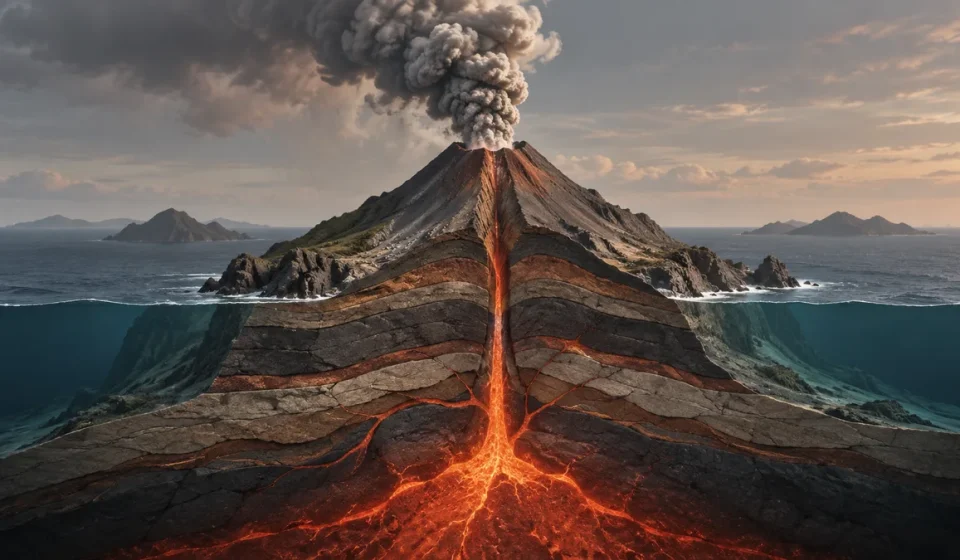
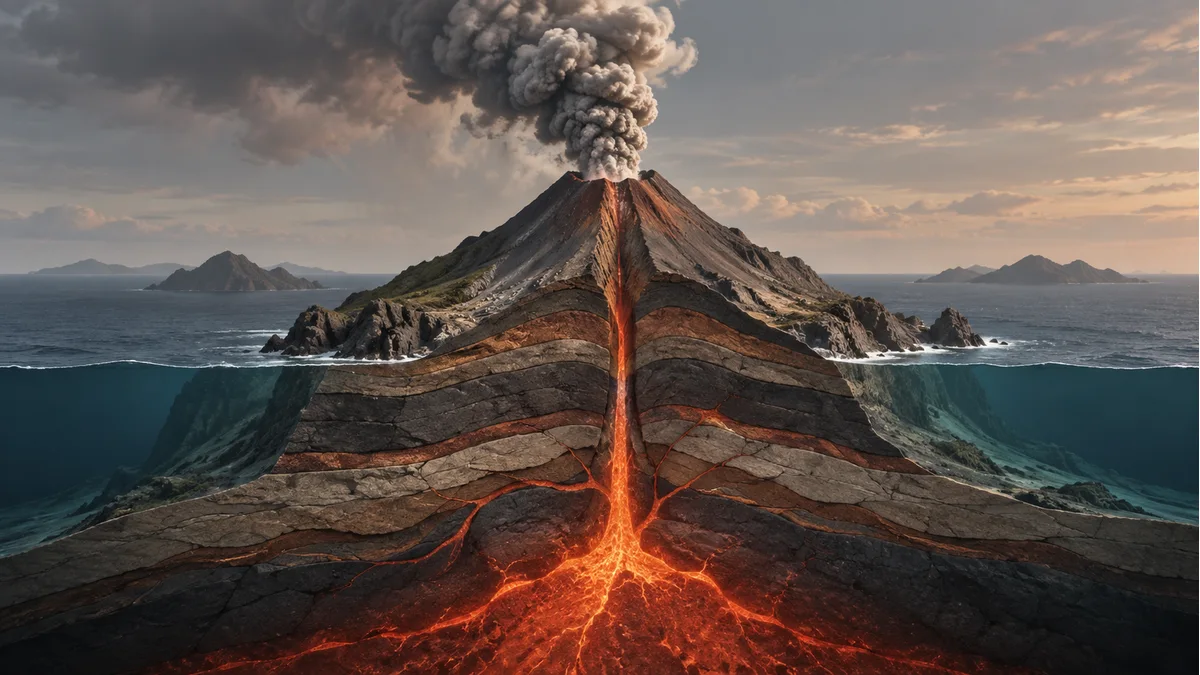
The 21st century, though relatively young, has already recorded a significant number of volcanic events that have garnered global attention. Volcanic eruptions represent complex interactions within the Earth’s crust, capable of unleashing immense energy and widespread destruction. The scale of these events varies dramatically, from effusive lava flows that reshape landscapes slowly to explosive eruptions propelling ash clouds high into the stratosphere, affecting global weather patterns and air travel. These powerful explosions can trigger tsunamis, mudslides, and pyroclastic flows, posing immediate and severe threats to communities near active volcanoes.
Understanding what constitutes a “largest” or “most powerful” eruption often involves assessing factors such as the Volcanic Explosivity Index VEI, the volume of material ejected, and the extent of atmospheric disruption. Similarly, the “deadliest disasters” are measured not only by immediate fatalities but also by long term displacement, agricultural devastation, and health impacts from ashfall and gas emissions. Modern monitoring technologies allow scientists to observe these events with unprecedented detail, yet predicting their exact timing and magnitude remains a profound challenge. This ongoing scientific endeavor is crucial for improving early warning systems and disaster preparedness worldwide. The recent piece by Moneycontrol.com contributes to this larger discourse, presenting these significant 21st century occurrences for a broader audience and bridging the gap between specialized scientific research and general public awareness. Such journalistic efforts are instrumental in fostering a more informed global citizenry.
Timeline of Events
On September 9, 2026, at approximately 06:47:28, the story was first reported detailing that Moneycontrol.com had published an article. This publication specifically discussed the largest volcanic eruptions, the most powerful explosions, and the deadliest disasters that have occurred within the 21st century.
Why It Matters
Moneycontrol.com’s decision to feature an article on significant 21st century volcanic events carries considerable importance. Firstly, it draws attention to the intrinsic scientific value of monitoring and understanding volcanic activity. These geological phenomena offer invaluable insights into planetary processes, including plate tectonics, magma dynamics, and the deep Earth’s composition. Every major eruption presents a unique natural laboratory for studying these complex systems in real time.
Secondly, the article highlights critical humanitarian and socioeconomic concerns. Large scale volcanic eruptions can devastate economies, displace populations, disrupt global supply chains, and even influence regional climates. By enumerating the most powerful and deadliest events, Moneycontrol.com contributes to public education regarding the risks associated with living in volcanically active regions. This knowledge is fundamental for effective disaster risk reduction policies, urban planning, and the development of resilient communities. The article serves as a crucial resource for policymakers and emergency services, offering a consolidated view of recent major incidents and their potential implications.
Furthermore, in an age where information regarding climate change and natural hazards is increasingly vital, a reputable platform like Moneycontrol.com publishing on this topic signals its broader societal relevance. It encourages a multidisciplinary approach to understanding our planet, moving beyond purely financial metrics to encompass environmental and geological realities that underpin global stability and human well being. This kind of journalistic endeavor helps foster a more holistic understanding of the challenges and forces that shape our contemporary world, bridging the gap between scientific communities and the general populace.
What Could Happen Next
The publication by Moneycontrol.com could spur renewed interest in geological studies and disaster preparedness among its readership. One potential outcome is an increased public discourse surrounding volcanic hazards, leading to greater demand for accessible scientific information and effective risk communication strategies. Media outlets often play a pivotal role in translating complex scientific findings into understandable narratives for the general public, and this article may encourage other news organizations to explore similar topics in depth.
From a scientific perspective, continued advancements in remote sensing, seismology, and gas monitoring technologies will further enhance our ability to track active volcanoes and potentially forecast eruptions with greater accuracy. This ongoing research will undoubtedly uncover new insights into volcanic behavior, contributing to a more nuanced understanding of these powerful natural engines. As more data is collected and analyzed, the scientific community will refine its models and predictions, ultimately saving lives and mitigating economic losses.
Moreover, the focus on 21st century events implicitly suggests an ongoing narrative. The Earth’s volcanic activity is a continuous process, and future decades will undoubtedly witness more significant eruptions. Moneycontrol.com’s initiative may therefore pave the way for periodic updates or follow up articles, maintaining public engagement with this critical scientific and environmental subject. Such sustained coverage would ensure that the lessons learned from past disasters are not forgotten and that communities remain vigilant and prepared for future geological events, reinforcing the media’s role in public service.
Frequently Asked Questions
What makes a volcanic eruption powerful or deadly?
A volcanic eruption’s power is often measured by the Volcanic Explosivity Index VEI, which quantifies the volume of erupted material and the height of the ash plume. Explosive eruptions involving large volumes of ash and gas can create powerful blast waves and generate pyroclastic flows, fast moving currents of hot gas and volcanic debris. Deadliness is determined by immediate impacts like these, as well as by secondary hazards such as tsunamis, mudslides or lahars, and long term effects from ashfall disrupting agriculture or causing respiratory issues in populations.
Why is it important for media outlets like Moneycontrol.com to cover volcanic events?
Media outlets serve a crucial role in public education and awareness. By covering significant volcanic events, Moneycontrol.com helps inform its audience about natural hazards, the science behind them, and their potential impacts on human societies and economies. Such coverage fosters greater preparedness, encourages support for scientific research, and highlights the global interconnectedness of natural phenomena, extending beyond typical financial news to encompass broader environmental and geological realities.
What are some general characteristics of 21st century volcanic activity?
The 21st century has been characterized by a range of volcanic activities, from highly explosive events that inject ash into the stratosphere to effusive eruptions that create new land. Advances in monitoring technology have allowed for better documentation and study of these events. While individual eruptions vary greatly, the collective understanding of 21st century volcanism contributes significantly to global hazard assessment, understanding of climate impacts, and improving disaster response mechanisms worldwide.