
 In 30 Seconds




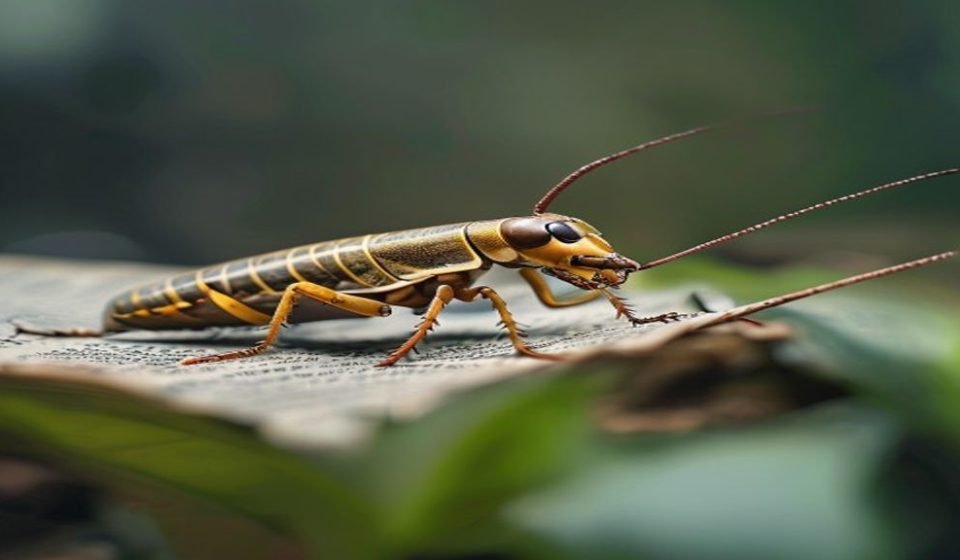
Recent reports have captured the attention of both the scientific community and the general public, shedding light on a remarkable creature exhibiting an extraordinary suite of abilities. According to an article published by Moneycontrol.com, a specific stick insect, measuring an impressive nine inches in length, possesses the capabilities of flight, self cloning, and even an unexpected capacity for defense. This intriguing combination of traits presents a fascinating subject for biological inquiry, challenging conventional understanding of insect survival strategies and adaptation.
The revelation of such a multifaceted organism underscores the immense diversity and evolutionary ingenuity present within the natural world. While individual abilities like flight or self reproduction are known across various insect species, their convergence within a single, substantial stick insect warrants closer examination. Researchers are likely to view this discovery as a significant point of interest, prompting further study into the genetic and environmental factors that contribute to such unique biological prowess. The implications extend beyond mere curiosity, potentially offering new insights into resilience, reproduction, and self preservation in the animal kingdom.
Background
Stick insects, belonging to the order Phasmatodea, are renowned for their masterful camouflage, often mimicking twigs or leaves to evade predators. Their elongated bodies and cryptic coloration make them incredibly difficult to spot in their natural habitats. However, the particular specimen highlighted by Moneycontrol.com elevates the understanding of these creatures far beyond simple mimicry. The report specifically details a nine inch stick insect that not only achieves considerable size for an insect but also exhibits flight, the ability to clone itself, and a capacity for fighting back. These attributes collectively paint a picture of an organism equipped with an advanced arsenal for survival.
Flight, a highly evolved trait, grants an insect mobility, predator evasion, and access to new food sources or mates. For a stick insect, which traditionally relies on stillness and camouflage, the addition of flight represents a significant evolutionary advantage. Furthermore, the capacity for self cloning, scientifically known as parthenogenesis, allows a female to reproduce without a male. This asexual reproduction can be incredibly beneficial in environments where mates are scarce or conditions are harsh, enabling rapid population growth and ensuring the continuation of the species even under challenging circumstances. Lastly, the ability to “fight back” implies a more active form of defense than the passive camouflage typically associated with these insects. This could manifest as powerful kicks with spiny legs, spraying noxious chemicals, or other deterrents, suggesting an evolved response to direct threats. The convergence of these distinct survival mechanisms within one creature is what makes this reported nine inch stick insect particularly noteworthy in the realm of entomology.
Timeline of Events
The fascinating story of this unique stick insect first came to public attention on July 21, 2026, at approximately 08:15:29. On this date, a news article initiated the report, highlighting the extraordinary details of a nine inch stick insect. The initial publication brought forward the key information regarding the creature’s remarkable abilities: its capacity for flight, its reproductive method involving self cloning, and its unexpected aptitude for defending itself against perceived threats. This singular event marked the beginning of broader interest in this particular insect’s biological marvels.
Why It Matters
The existence of a stick insect with such a potent combination of survival traits holds considerable significance for several scientific disciplines. From an evolutionary biology perspective, this creature serves as a compelling case study in natural selection and adaptation. The development of flight, parthenogenesis, and active defense mechanisms within a single species indicates powerful selective pressures at play, driving the evolution of a highly resilient and adaptable organism. Understanding the genetic pathways and environmental triggers behind these traits could offer profound insights into evolutionary processes on a broader scale.
Moreover, the biological mechanics underpinning these abilities could inspire advancements in fields like biomimicry and robotics. The efficient flight of a nine inch insect, its asexual reproductive success, and its defensive strategies might provide blueprints for novel engineering solutions or advanced materials. For instance, studying the biomechanics of its flight could inform the design of more agile micro air vehicles, while understanding its chemical defenses could lead to new pest control methods that are environmentally sound.
Beyond scientific applications, this discovery also serves to captivate and educate the public about the wonders of the natural world. It challenges preconceived notions about insects, particularly those often perceived as static or purely passive. Highlighting such unique characteristics can foster a greater appreciation for biodiversity and the intricate ecological balances that sustain life, encouraging future generations to explore careers in science and conservation. The very idea of an insect that can fly, clone itself, and fight back stirs a sense of wonder and underscores the vastness of unexplored biological phenomena awaiting discovery.
What Could Happen Next
The initial reports surrounding this nine inch stick insect are likely to stimulate extensive interest within the scientific community, potentially paving the way for dedicated research initiatives. Scientists may seek to locate and study populations of this particular species, aiming to understand its habitat, diet, and the specific mechanisms behind its extraordinary abilities. This could involve field expeditions, genetic sequencing to uncover the precise genes responsible for flight and parthenogenesis, and behavioral studies to observe its defensive strategies in detail.
Furthermore, the unusual combination of traits could spark broader comparative studies across related species of stick insects. Researchers might investigate whether similar, albeit less pronounced, abilities exist in other Phasmatodea or if this specimen represents a truly unique evolutionary outlier. Such research could lead to new classifications, a deeper understanding of stick insect phylogeny, and potentially the discovery of other species with similarly surprising adaptations.
Public outreach and educational efforts are also likely to follow. Documentaries, popular science articles, and museum exhibits could feature this remarkable creature, bringing its story to a wider audience and furthering general knowledge about entomology and biodiversity. As scientific understanding expands, there might even be implications for conservation, particularly if the species is found to have a limited range or faces specific environmental threats, necessitating protective measures to preserve its unique genetic heritage. The initial report serves as a significant scientific marker, indicating a rich vein of biological inquiry yet to be thoroughly explored.
Frequently Asked Questions
What are the primary abilities attributed to this stick insect?
The Moneycontrol.com report highlights three remarkable abilities possessed by this particular nine inch stick insect. These include its capacity for flight, its ability to clone itself through asexual reproduction, and an unexpected aptitude for actively defending itself against threats. This combination of traits is considered quite extraordinary for an insect of its kind.
How significant is the ability for the stick insect to clone itself?
The ability to clone itself, known as parthenogenesis, is a highly significant reproductive strategy. It allows female stick insects to reproduce without the need for a male, enabling them to rapidly establish new populations or continue their species even when mates are scarce or environmental conditions are unfavorable. This significantly enhances the species’ survival and adaptability.
Is a nine inch length common for stick insects?
While some stick insect species can grow quite large, a nine inch length is certainly notable and on the larger end of the spectrum for many insects. The combination of this substantial size with the added abilities of flight, self cloning, and active defense makes this particular specimen particularly intriguing to researchers and the public alike, as it represents a formidable and highly adapted creature.