
 In 30 Seconds




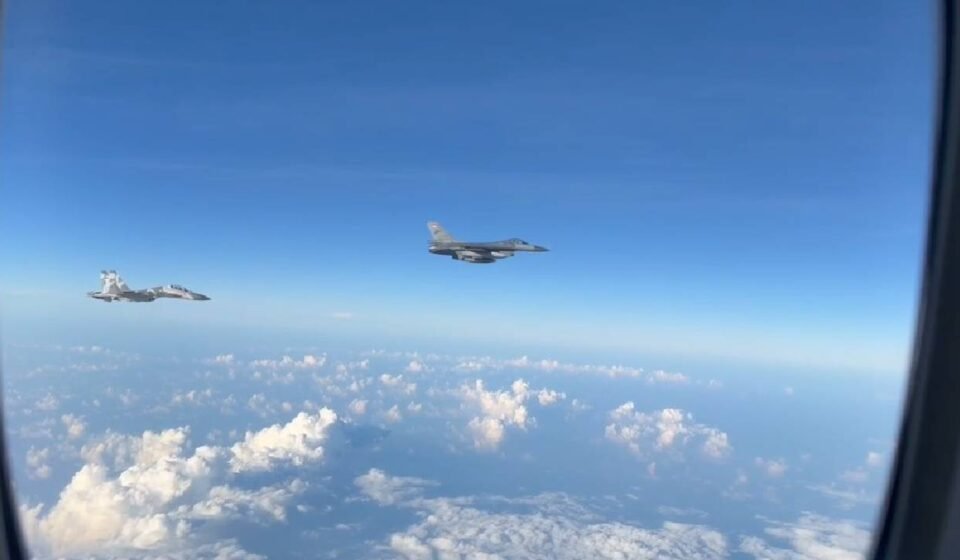
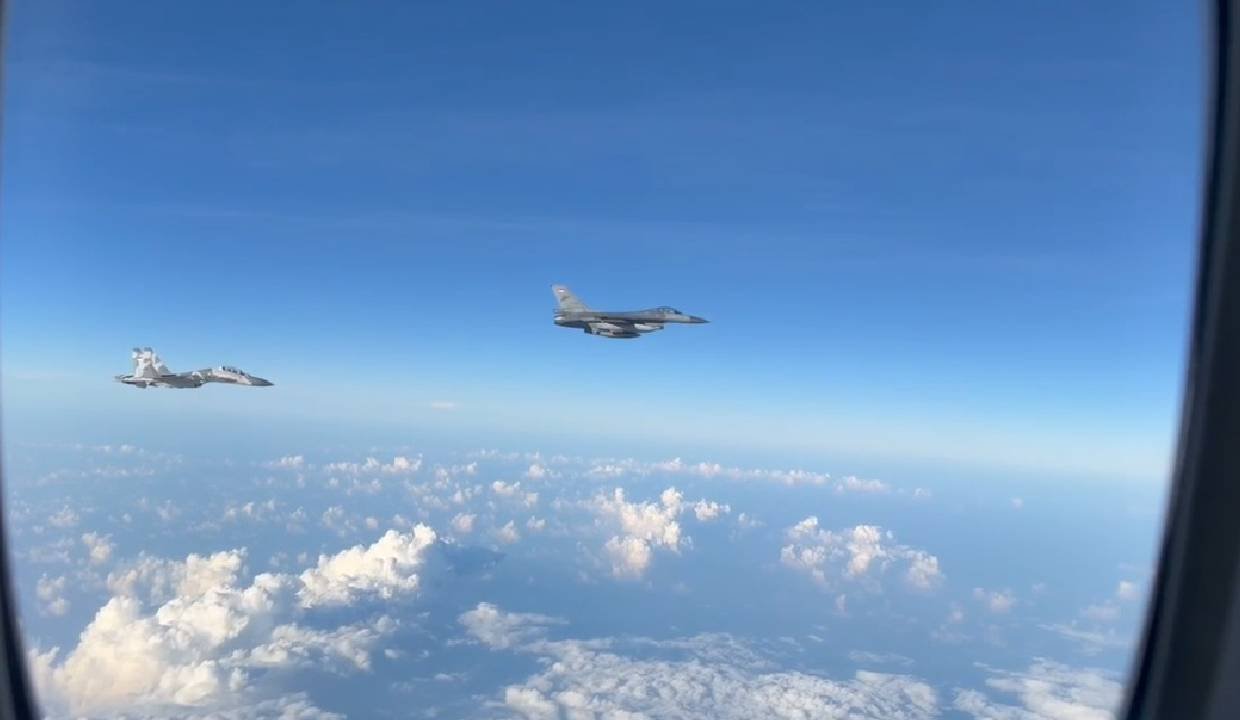
The aircraft carrying Prime Minister Narendra Modi received a distinctive welcome upon entering Indonesian airspace, escorted by F-16 and Sukhoi-30 fighter jets. This ceremonial gesture marked the commencement of his significant diplomatic tour aimed at bolstering India’s strategic ties across the Indo Pacific region. The visit underscores the enduring importance of India’s Act East Policy, seeking to deepen engagement with nations like Indonesia, Australia, and New Zealand, thereby enhancing regional security and economic cooperation.
Reports from NDTV confirmed the visual spectacle, highlighting the unique nature of this welcome. Such an honor typically symbolizes strong bilateral relations and mutual strategic trust between nations. Prime Minister Modi’s itinerary is designed to foster closer partnerships, crucial for navigating the complex geopolitical landscape of the Indo Pacific, a region increasingly central to global commerce and power dynamics. The presence of advanced military aircraft in a welcoming role speaks volumes about the level of commitment to this partnership.
Background
India’s Act East Policy, initially conceptualized as the Look East Policy in the early 1990s, has evolved into a proactive diplomatic and economic initiative. Its core objective is to strengthen India’s engagement with the broader East Asian and Southeast Asian regions, fostering robust economic partnerships, cultural exchanges, and strategic collaborations. This policy is particularly pertinent in the current geopolitical climate, where the Indo Pacific region has emerged as a focal point for global powers. India, as a significant player, seeks to ensure a free, open, and inclusive Indo Pacific, promoting rules based international order.
Indonesia, a prominent member of ASEAN and a key maritime nation, holds immense strategic value for India. Cooperation with Indonesia is vital for India’s vision of maritime security and connectivity in the Indian Ocean and beyond. Similarly, Australia and New Zealand are crucial partners, sharing democratic values and a commitment to regional stability. The strengthening of these relationships forms a critical pillar of India’s broader foreign policy, aiming to diversify its strategic partnerships and reduce over reliance on any single power.
The geopolitical landscape of the Indo Pacific is complex, characterized by the rising influence of China and the established presence of the US. India’s outreach to nations like Indonesia, Australia, and New Zealand is therefore not merely economic or cultural; it carries significant strategic weight. By forging stronger alliances and enhancing multilateral cooperation, India aims to contribute to a balanced regional power structure, ensuring stability and prosperity for all stakeholders. The ongoing discussions about India and Indonesia potentially co architecting a new Indo Pacific security order reflect the depth and ambition of these diplomatic efforts.
Timeline of Events
On July 6, 2026, Prime Minister Modi’s aircraft received an extraordinary welcome as it entered Indonesian airspace. This ceremonial escort, performed by both F-16 and Sukhoi-30 fighter jets, signaled the commencement of a pivotal diplomatic journey. The occasion underscored a collective commitment to bolstering international relations between India and its partners in Southeast Asia and Oceania. This particular event set the tone for a visit specifically designed to reinforce India’s Act East Policy and address pressing regional security concerns through strategic dialogue and cooperation with Indonesia, Australia, and New Zealand. The welcoming gesture itself became a powerful symbol of the deepening trust and collaborative spirit animating these crucial diplomatic engagements.
Why It Matters
The symbolic gesture of F-16 and Sukhoi-30 fighter jets escorting Prime Minister Modi’s aircraft into Indonesian airspace carries profound significance. It is a powerful illustration of the deepening strategic trust and robust bilateral ties developing between India and Indonesia. Such a high honor indicates not just diplomatic cordiality but a mutual recognition of shared strategic interests in a volatile global environment. This moment serves as a tangible representation of India’s Act East Policy in action, moving beyond mere rhetoric to visible acts of camaraderie and cooperation.
Furthermore, this visit and its auspicious beginning highlight the increasing importance of the Indo Pacific region in global geopolitics. As nations navigate complex power dynamics, particularly concerning the influence of China and the US, forging strong, independent partnerships becomes paramount. India’s engagement with Indonesia, Australia, and New Zealand is critical for establishing a multipolar regional order that upholds international law and promotes stability. The discussions regarding India and Indonesia co architecting a new Indo Pacific security order reveal the ambitious scope of this collaboration, moving towards joint leadership in defining the region’s future.
The strengthening of these alliances also resonates across broader international relations. According to reports, Prime Minister Modi emphasized that his visit to Indonesia, Australia, and New Zealand would further strengthen India’s Act East Policy. This commitment is echoed by statements from leaders like Australian Prime Minister Anthony Albanese, who stated that India Australia ties have “never been more consequential.” Such affirmations from key regional leaders underscore the collective understanding that robust partnerships are essential for addressing contemporary challenges, from economic development to maritime security, and for fostering a resilient and prosperous Indo Pacific.
What Could Happen Next
The robust welcome extended to Prime Minister Modi’s aircraft sets a promising precedent for future engagements and cooperation across the Indo Pacific. One immediate outcome could be a tangible increase in defense cooperation between India and Indonesia, potentially leading to joint military exercises, enhanced intelligence sharing, and technology transfers. Such steps would significantly bolster regional security capabilities and foster greater interoperability among their armed forces.
Beyond defense, the visit is expected to pave the way for accelerated economic partnerships. This could manifest in new trade agreements, increased foreign direct investment, and collaborative projects in sectors such as infrastructure, digital economy, and renewable energy, particularly with Indonesia, Australia, and New Zealand. Deepening economic ties would not only benefit the participating nations but also contribute to the overall economic dynamism of the Indo Pacific region.
Moreover, the emphasis on co architecting a new Indo Pacific security order suggests a trajectory towards more coordinated diplomatic efforts. India, Indonesia, Australia, and New Zealand could potentially lead new multilateral initiatives focused on maritime domain awareness, disaster relief, and counterterrorism. This collaborative approach would underscore a shared vision for a stable and rules based regional architecture, offering a counterbalance to existing geopolitical pressures and promoting collective security. The diplomatic momentum generated by this high profile visit is likely to lead to sustained dialogue and concrete policy developments in the coming months and years.
Frequently Asked Questions
What is the significance of the fighter jet escort for PM Modi’s aircraft?
The escort by F-16 and Sukhoi-30 fighter jets into Indonesian airspace is a high diplomatic honor, symbolizing strong bilateral relations, mutual trust, and shared strategic interests between India and Indonesia. It underscores the importance both nations place on their partnership and cooperation in regional security.
What is India’s Act East Policy?
India’s Act East Policy is a foreign policy initiative aimed at strengthening India’s economic, strategic, and cultural ties with the broader East Asian and Southeast Asian regions. It seeks to enhance engagement through trade, investment, and security cooperation, positioning India as a key partner in the Indo Pacific.
Why are India Australia ties considered particularly important now?
According to Prime Minister Albanese, India Australia ties have “never been more consequential” due to their shared democratic values, converging strategic interests in the Indo Pacific, and the need for collaborative approaches to regional security and economic challenges. Both nations play a vital role in maintaining stability and prosperity in the region.