 In 30 Seconds




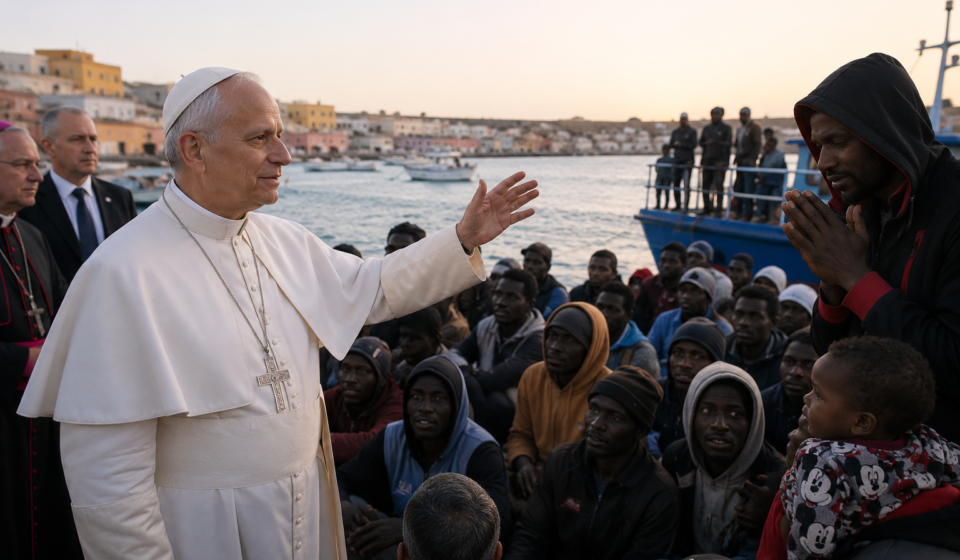
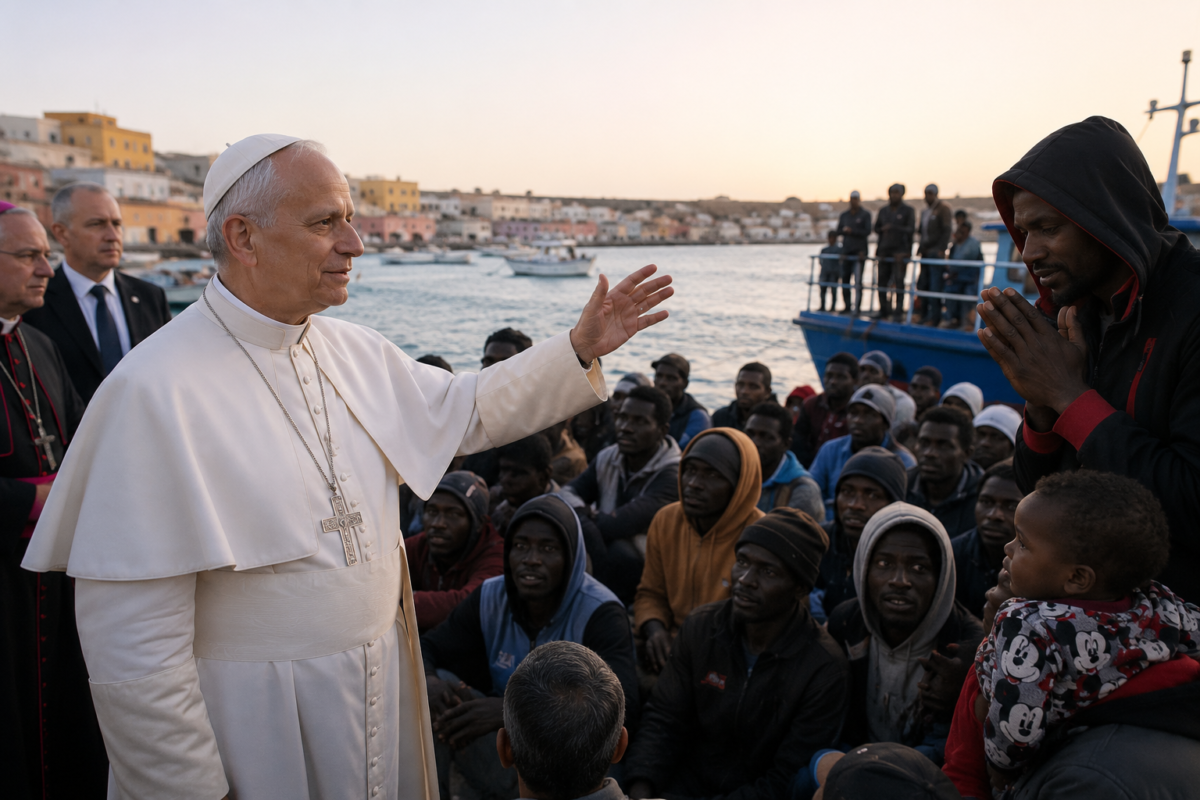
On a day traditionally imbued with the spirit of liberty and nationhood in the United States, Pope Leo delivered a profoundly resonant appeal from the poignant shores of Lampedusa on July 4. His Holiness earnestly urged American leaders and citizens alike to embrace immigrants with renewed conviction, calling for an expansive spirit of inclusion. Simultaneously, he pressed European nations to significantly intensify their efforts in addressing the complex and often tragic circumstances faced by migrants seeking safe harbor. This poignant address, delivered from an island that stands as a stark symbol at the heart of the Mediterranean migrant crisis, powerfully underscored the pontiff’s consistent message of human solidarity and the imperative for global communities to respond with profound “compassion and generosity,” as reported.
Background
Lampedusa, a small Italian island strategically positioned in the central Mediterranean, has long served as a critical frontline in the relentless global migrant crisis. Its sun drenched shores frequently witness the desperate arrival of countless individuals seeking solace, safety, and a new life, often after enduring perilous and treacherous journeys across the vast expanse of the sea. The island has, over time, become a universally recognized symbol of both profound humanitarian struggle and the urgent, pressing need for comprehensive international cooperation. Pope Leo’s deliberate choice of this evocative location for his July 4 address amplified the immense gravity of his message, powerfully linking the cherished ideals of freedom and the promise of new beginnings, often so intrinsically associated with the American holiday, to the desperate plight of those seeking similar aspirations through the arduous path of migration. Historically, the venerated papacy has maintained an unwavering advocacy for the inherent dignity of every human life and the steadfast protection of vulnerable populations, particularly those tragically displaced by conflict, systemic poverty, or relentless persecution. This most recent, compelling appeal stands as a clear continuation of that enduring moral stance, emphasizing the fundamental, shared human responsibility to welcome strangers and to assiduously assist those in dire need. The pervasive, global scale of migration presents multifaceted challenges to both developed and developing nations, consistently prompting widespread calls for more structured, humane, and ethically sound policies.
Timeline of Events
2026-07-04: Pope Leo, during a visit to the Italian island of Lampedusa, issued a powerful call to action. Speaking on the United States’ Independence Day, His Holiness specifically implored the US to extend a welcoming hand to immigrants, encouraging a spirit of inclusion and acceptance. Concurrently, he urged European nations to significantly enhance their responses and provisions for migrants arriving on their shores, highlighting the urgent need for greater solidarity and humanitarian aid across the continent. This appeal underscored the ongoing global challenges of migration and the moral imperative for nations to act with profound “compassion and generosity.”
Why It Matters
Pope Leo’s timely and impactful intervention carries considerable moral and diplomatic weight, possessing the inherent capacity to significantly influence public discourse and crucial policy debates across continents. His poignant appeal from Lampedusa on America’s Independence Day strategically intertwines the universal themes of freedom and opportunity with the stark realities of the global migrant crisis. For the United States, a nation proudly forged by successive waves of immigration, the pontiff’s sagacious words serve as a potent and timely reminder of its foundational values and the profound ethical responsibilities inherent in its preeminent global standing. In Europe, where the migrant crisis continues to present formidable political and social challenges, the Pope’s unequivocal call for intensified effort aims to galvanize leaders and citizens alike towards more unified, compassionate, and effective responses. Such papal pronouncements frequently resonate deeply within Catholic communities worldwide, and often extend their influence far beyond, shaping broader humanitarian perspectives. The specific invocation of “compassion and generosity” provides an overarching moral framework for these exceedingly complex issues, urgently prompting a shift from purely political or economic considerations to a more profoundly human centered and empathetic approach.
What Could Happen Next
Following Pope Leo’s earnest and heartfelt appeal, a spectrum of developments could potentially unfold across the intricate international landscape. Governments within the United States might experience renewed pressure from influential advocacy groups and various religious organizations to meticulously review and potentially liberalize their existing immigration policies, endeavoring to align them more closely with the pontiff’s powerful message of welcome. Congressional debates surrounding comprehensive immigration reform could conceivably gain fresh impetus, with proponents citing the Pope’s words as a compelling moral imperative. In Europe, the impassioned call for greater collective effort towards migrants could stimulate increased, critical discussions among the member states of the European Union regarding shared responsibility, equitable resource allocation, and the establishment of more streamlined and humane asylum processes. Nations situated on the primary front lines of migration, such as Italy, Greece, and Spain, might find renewed justification for seeking greater and more substantial assistance from their European partners. Non governmental organizations tirelessly working on vital migration issues may strategically leverage the Pope’s impactful statement to significantly amplify their ongoing advocacy campaigns, actively seeking enhanced funding and crucial policy changes. The broader public, particularly within the vast and devout Catholic communities, may be inspired to engage in more local initiatives to tangibly support immigrants and migrants, thereby fostering grassroots efforts of genuine welcome and successful integration. The long term impact of this appeal will ultimately depend on the sustained commitment of political leaders and the enduring resonance of the Pope’s profound humanitarian message across diverse societies.
Frequently Asked Questions
What was Pope Leo’s primary message during his July 4 appeal?
Pope Leo primarily urged the United States to welcome immigrants and called upon European nations to increase their efforts in assisting migrants. His appeal emphasized the importance of “compassion and generosity” in addressing these global challenges.
Why did Pope Leo choose Lampedusa as the location for his appeal?
Lampedusa, an Italian island, serves as a significant entry point for migrants crossing the Mediterranean Sea into Europe. By speaking from Lampedusa, Pope Leo highlighted the urgent humanitarian crisis occurring there and symbolically connected his message to the frontline of the migrant journey.
What was the significance of the July 4 date for this appeal?
The appeal on July 4, America’s Independence Day, allowed Pope Leo to draw a connection between the ideals of freedom and new beginnings celebrated by the United States and the aspirations of immigrants and migrants seeking similar opportunities and safety around the world.
Related Reading
- Centre Intensifies Scrutiny on Social Media Applications
- India’s Passport Ranking Dips to 125th in 2026 Global Index
- Deadly Hodeidah Clashes Ignite Fears of Wider Yemen Conflict
Official context: Readers can compare this story with public information from India.gov.in.