
 In 30 Seconds




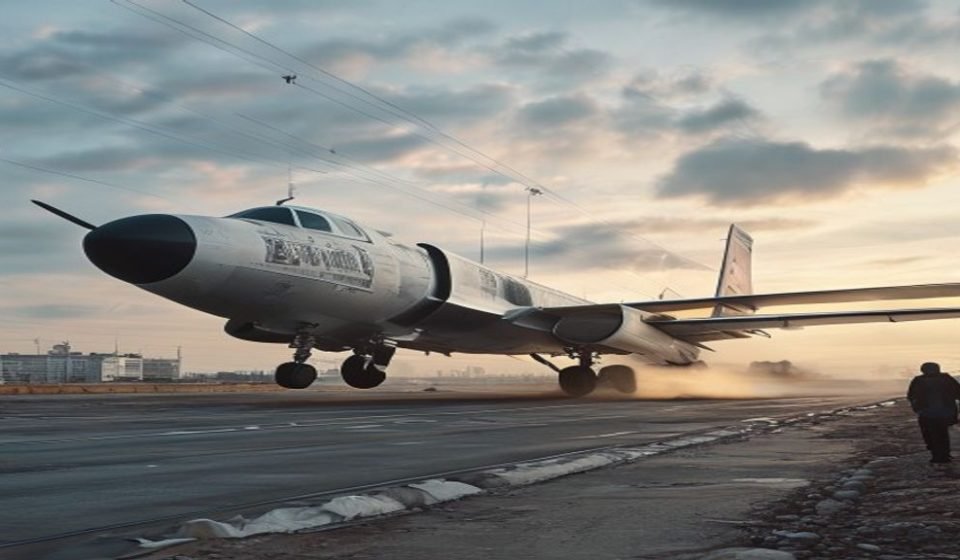
A Russian ‘Doomsday’ command aircraft, identified as a Tupolev Tu-214PU, has reportedly landed in Tehran, the capital of Iran, amidst a period of intensifying tensions between the United States and Iran, alongside broader regional instability across the Middle East. The significant arrival of such a strategic asset, as first reported by Firstpost on July 13, 2026, instantly drew global attention, underscoring the complex and often volatile nature of international relations in this critical geopolitical theatre. The presence of a sophisticated command platform, designed to ensure national leadership continuity during extreme scenarios, in a nation frequently at odds with Western powers, sends a palpable signal across diplomatic and security landscapes.
This development unfolds against a backdrop of prolonged friction between Washington and Tehran, which has seen periods of severe escalation. The Middle East remains a crucible of multifaceted conflicts and competing interests, where major global powers often find their strategic objectives intersecting, and sometimes clashing. The landing of the Tupolev Tu-214PU, a specific variant of Russia’s airborne command post aircraft, adds a layer of intricate messaging to an already intricate geopolitical tapestry, suggesting a deepening of military and strategic ties between Moscow and Tehran.
Background
The aircraft in question, a Tupolev Tu-214PU, belongs to a specialized class of Russian aviation assets colloquially known as ‘Doomsday’ planes. These aircraft are essentially flying command centers, equipped with advanced communication systems and hardened against electromagnetic pulses, designed to enable top national leaders, including potentially President Putin, to command military forces and maintain governmental functions during a large scale conflict or nuclear war. Their primary purpose is to ensure that national command and control capabilities remain operational even in the most catastrophic circumstances, providing a mobile and resilient platform for decision making.
The current climate of escalating tensions between the United States and Iran has been a consistent feature of global geopolitics for decades. Points of contention range from Iran’s nuclear program and its regional influence to various proxy conflicts across the Middle East. Each nation often perceives the other’s actions as destabilizing, leading to a cycle of reciprocal measures and counter measures. This long standing friction often manifests in heightened military readiness, diplomatic standoffs, and sometimes direct confrontations involving regional allies.
Furthermore, the broader Middle East continues to experience a complex web of internal and external pressures. From civil wars and humanitarian crises to shifting alliances and economic competition, the region’s stability is perpetually challenged. In this volatile environment, the actions of major international players like Russia and the United States carry profound weight, capable of either de escalating or further exacerbating existing conflicts. Russia, in particular, has sought to assert its influence in the region, often finding common cause with nations like Iran in areas where they perceive a shared interest in challenging the prevailing international order.
Timeline of Events
July 13, 2026: Story first reported. A Russian ‘Doomsday’ command aircraft, specifically a Tupolev Tu-214PU, was reported to have landed in Tehran. This event transpired amidst a period of increasing tensions between the United States and Iran, and a broader escalation of instability across the Middle East. The news, broken by Firstpost, immediately became a focal point for international observers and analysts, highlighting a significant moment in the evolving strategic relationship between Russia and Iran.
Why It Matters
The landing of a Russian ‘Doomsday’ command aircraft in Tehran carries immense symbolic and strategic weight, resonating far beyond the immediate airspace. Firstly, it serves as a powerful demonstration of solidarity and deepening strategic alignment between Russia and Iran. At a time when both nations face significant pressure from Western powers, such a high profile military aviation presence signals a clear message of mutual support and a willingness to cooperate on critical security matters. This visible display of partnership suggests an enduring commitment to their shared geopolitical objectives, which often involve counterbalancing Western influence in various regions.
Secondly, the presence of such a specialized command and control platform in Iran sends an unequivocal message to the United States and its allies. It underscores Russia’s capabilities to project strategic assets into sensitive regions and reinforces its commitment to its regional partners. For observers in Washington and other Western capitals, this event could be interpreted as a deliberate provocation, or at the very least, a significant enhancement of Iran’s strategic posture, emboldened by overt Russian backing. This could, in turn, lead to a recalibration of strategic approaches and a potential intensification of existing diplomatic and military tensions.
Thirdly, the development heightens regional anxieties across the Middle East. The introduction of an advanced military asset, even if its mission is ostensibly non confrontational, adds another layer of complexity to an already volatile landscape. Nations in the Gulf, as well as Israel, are keenly aware of military developments involving Iran and Russia. Such a move could be perceived as tipping the regional power balance, potentially prompting other actors to review their own security arrangements and alliances, further contributing to a cycle of militarization and apprehension. It emphasizes the fluid nature of alliances and the delicate balance of power that underpins the region’s stability, making any significant shift a cause for concern for all stakeholders.
What Could Happen Next
The arrival of the Russian ‘Doomsday’ aircraft in Tehran could trigger a series of cascading geopolitical and strategic responses. Diplomatically, one might anticipate a flurry of statements from various international bodies and nations expressing concern over the heightened military cooperation between Russia and Iran. Western capitals, particularly Washington, are likely to issue strong condemnations, emphasizing the perceived destabilizing nature of such an alliance in the Middle East. This could lead to increased diplomatic pressure on both Moscow and Tehran, potentially culminating in further sanctions or other punitive measures aimed at curtailing their joint activities.
On a military front, the incident could prompt an intensification of intelligence gathering and surveillance activities by the United States and its allies in the region. There might be an increased monitoring of Russian and Iranian military movements, with a particular focus on understanding the specifics of the Tu-214PU’s mission and any potential implications for regional security. This could also lead to a more visible presence of Western naval or air assets in international waters and airspace surrounding Iran, as a deterrent and a show of force, further raising the stakes in an already tense environment.
Furthermore, the event may solidify the strategic axis between Russia and Iran, potentially leading to more extensive military technological exchanges and joint exercises in the future. Both nations share a common interest in challenging what they view as a unipolar world order, and this type of cooperation serves to reinforce that agenda. Conversely, the increased cooperation could also inadvertently push other regional powers closer to the United States, thereby deepening the existing geopolitical divides. The overall trajectory points towards a potential for sustained tension and a more pronounced great power competition unfolding across the Middle East, with the potential for unforeseen consequences for regional stability and global security.
Frequently Asked Questions
What is a ‘Doomsday’ command aircraft?
A ‘Doomsday’ command aircraft is a specialized military plane designed to serve as a mobile command post for a nation’s top leadership during a catastrophic event, such as a large scale war or a nuclear attack. It is equipped with advanced communication systems and protective measures to ensure that command and control functions remain operational even if ground based infrastructure is compromised, thereby guaranteeing the continuity of government and military command.
Why is its landing in Tehran considered significant?
The landing of such an aircraft in Tehran is significant because it overtly signals a deepening of strategic and military cooperation between Russia and Iran. In the context of escalating US Iran tensions and broader Middle East instability, this move sends a powerful geopolitical message. It highlights Russia’s support for Iran and demonstrates its capability to project strategic assets into crucial regions, potentially altering perceptions of the regional power balance and influencing international diplomatic dynamics.
Are Russia and Iran formal allies?
While not necessarily bound by formal alliance treaties akin to NATO, Russia and Iran share extensive strategic interests and have developed a robust partnership. This cooperation often manifests in areas such as military technology exchange, coordination on regional conflicts, and a shared desire to counter Western influence. Their relationship is characterized by a strong convergence of geopolitical objectives, making them de facto strategic partners in many respects.